
Last updated October 30, 2026
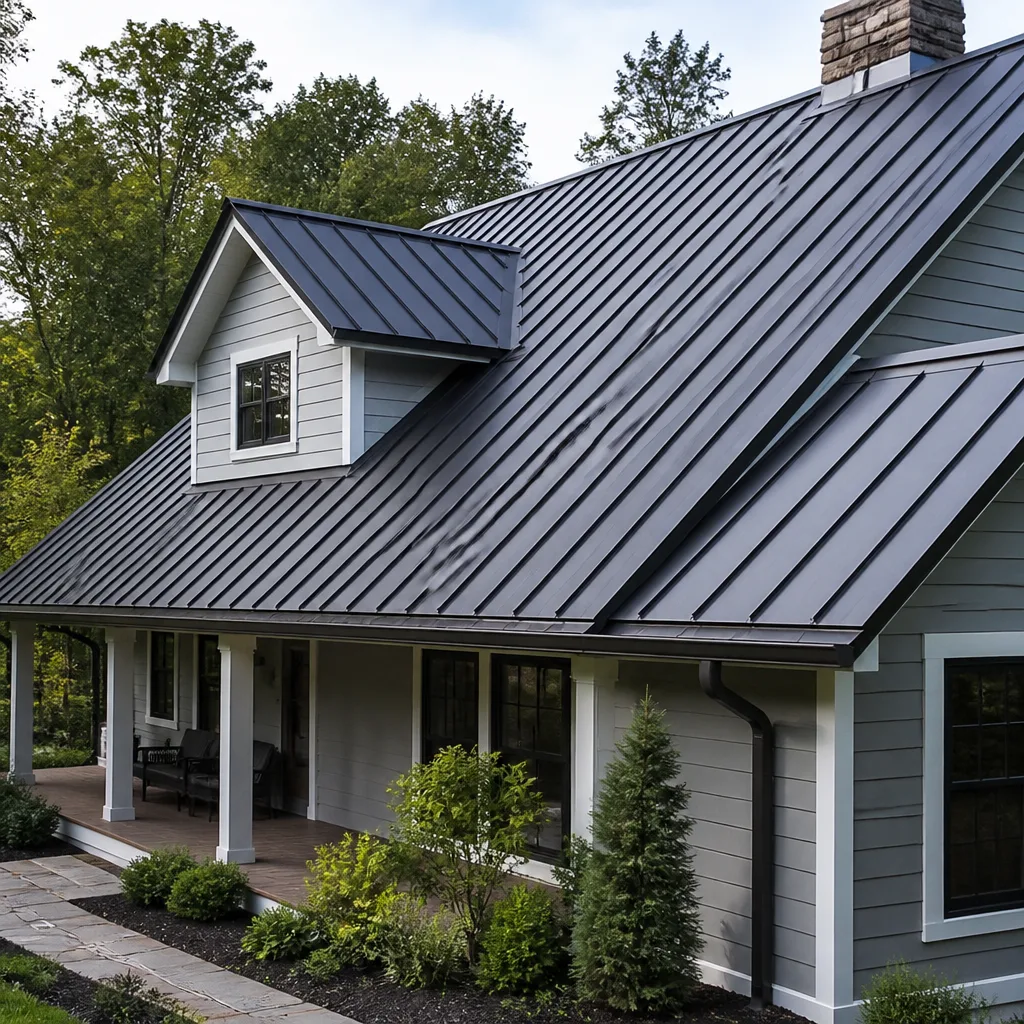 Metal roofing
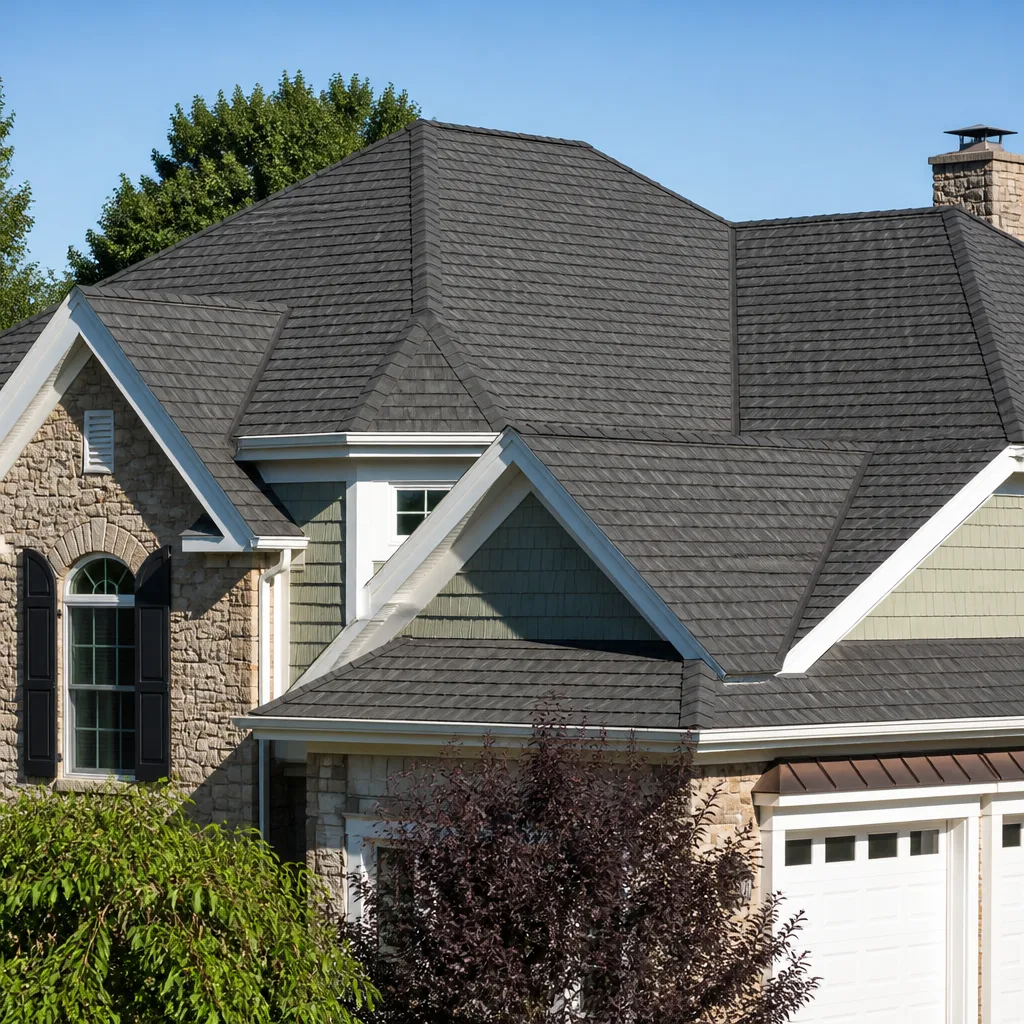
 Architectural shingles
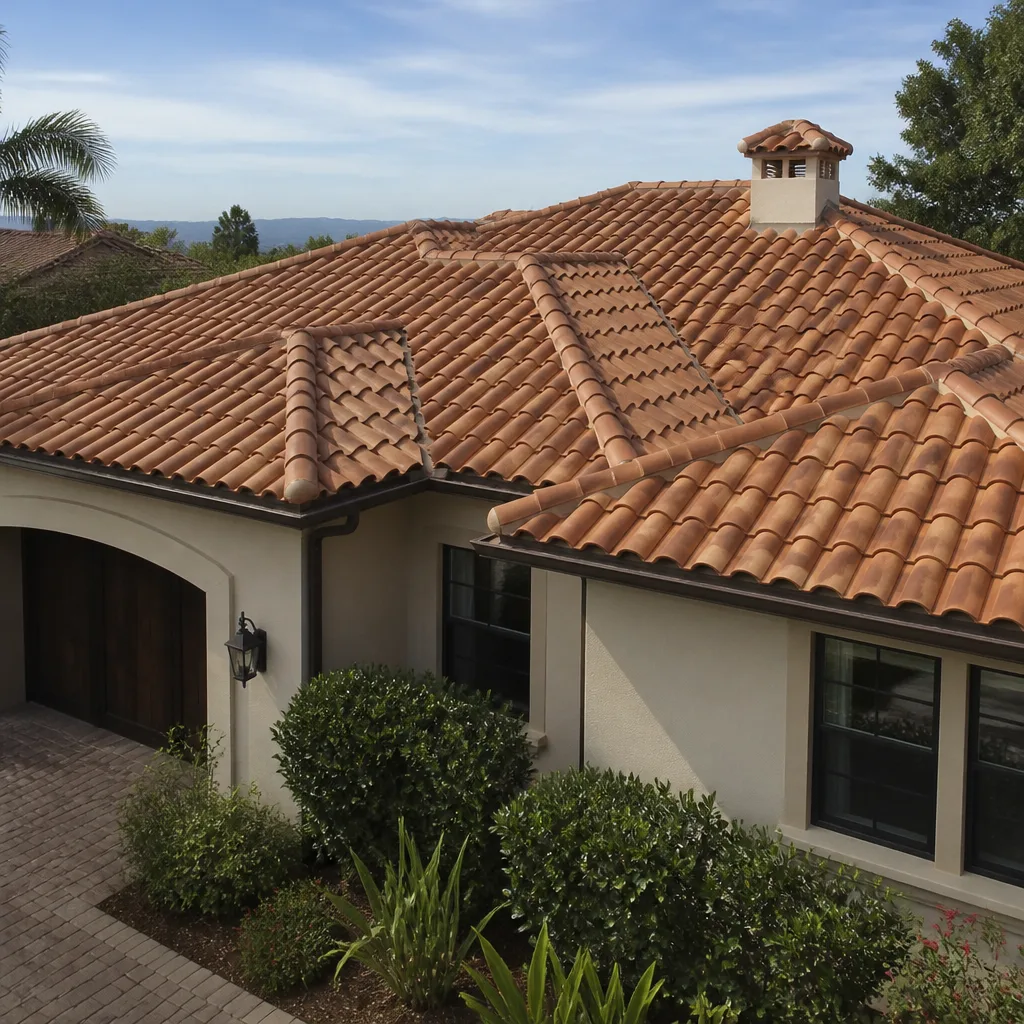 Tile roofing
 GAF
 Owens Corning
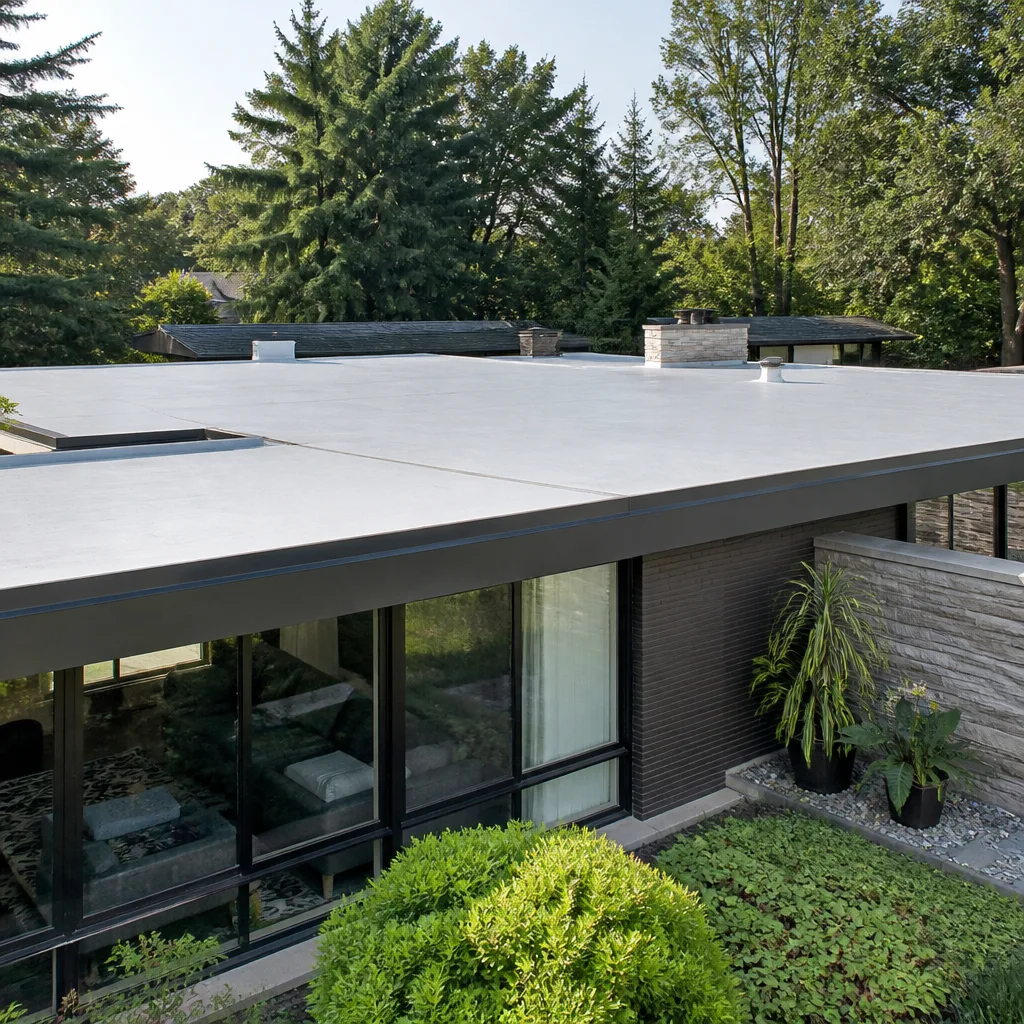 Flat & low-slope
Free roof inspection with deck photos before we talk money - GAF and Owens Corning certified installation
Seasonal Roofing Care for Ontario: Year-Round Homeowner’s Guide
In Ontario, October is more dangerous for roofs than January. Santa Ana winds regularly exceed 60 mph and arrive with zero moisture, meaning shingle damage happens fast, silently, and goes undetected until the first winter rain finds every weak seam you didn’t know you had. Most seasonal roofing advice treats the calendar as four equal quarters. That’s the wrong frame for Southern California. This guide rebuilds the seasonal calendar around Ontario’s actual threat pattern: two high-risk windows and two preparation windows that most homeowners use wrong. You’ll learn what to do in each window, why the order matters, and how to track your roof’s true condition before it fails.
Styles & brands we work with
Quick Answer
Seasonal roof care in Ontario, CA means treating fall and winter as active threat seasons, not spring and summer. Santa Ana winds (September through November) tear and lift shingles without rain to reveal the damage, while El Niño winters (December through March) deliver the water that turns hidden wind damage into ceiling stains. The two preparation windows are late spring (post-rain cleanup) and summer (pre-wind hardening). A documented inspection before October and another before December are the highest-value moves most homeowners skip.
Table of Contents
- Ontario’s Real Risk Calendar: Why October Beats January
- Santa Ana Season (September – November): The Silent Threat
- El Niño Rain Season (December – March): When Hidden Damage Surfaces
- Late Spring Cleanup (April – May): Post-Rain, Pre-Heat
- Summer Heat Prep (June – August): Entering Wind Season Without Thermal Damage
- The Post-Santa-Ana Inspection Protocol: The Narrow Window That Matters Most
- Year-Over-Year Photo Tracking: Is Your Roof Aging Faster Than Its Rating?
- Common Mistakes to Avoid
- When to Call a Professional
- Frequently Asked Questions
- The Bottom Line
Ontario’s Real Risk Calendar: Why October Beats January
Ontario sits in a climate pocket that contradicts every generic roofing-season guide written for the Northeast or Midwest. We don’t have ice dams. We don’t have freeze-thaw cycles chewing through shingle granules. What we have are two concentrated damage windows that arrive on a reliable annual schedule, and two quieter months where the smartest homeowners do their actual work.
Window One: Santa Ana wind season, September through late November. Downslope winds funnel through the Cajon Pass and rip across the Ontario foothills at 50 to 70 mph, with occasional gusts pushing past 80. These winds don’t just knock shingles loose. They create uplift pressure along roof edges and ridge lines, gradually flexing shingles and nails until seals break. Because there’s no rain during this window, you won’t see a leak. You’ll see a shingle in the yard a week later and have no idea which slope it came from.
Window Two: El Niño rain season, December through March. When the Pacific warms, Ontario gets a winter marked by long, steady rainfall events rather than quick afternoon showers. This is the window where every small vulnerability from wind season gets tested. A lifted flashing that survived ten wind events will channel water into your attic within hours of a two-day rain system. The damage didn’t happen in February. It happened in October and just got exposed.
The two preparation windows most homeowners misuse:
- Late spring (April – May): After the last rain, before the heat arrives. This is cleanup and documentation season. Clearing debris, checking drains, and photographing the roof’s post-winter condition.
- Summer (June – August): Before wind season, when UV and heat have had three months to degrade seals and caulking. This is the hardening window: replacing worn flashing, resealing penetrations, addressing granule loss before wind rips into weakened material.
Most homeowners do the opposite: they call a roofer in November when winds have already done their damage and rain is two weeks out. The roofers are booked. The damage is done. And the fix becomes reactive instead of preventive. Understanding this calendar flips the script.
At Hawk Roof Repair home, we structure our inspection recommendations around this calendar because it’s the calendar that actually predicts failure in Ontario. Not the national seasons. The local ones.
Santa Ana Season (September – November): The Silent Threat
Santa Ana winds are dangerous precisely because they cause damage without leaving evidence that screams “roof problem.” A missing shingle is obvious. A shingle whose nail has been flexed loose by repeated uplift is not. The shingle still looks seated. Rain will find its way underneath months later.
What the wind actually does, in order of frequency:
- Edge and rake shingles lift first. The perimeter of the roof takes the highest uplift pressure. Shingles here break their adhesive seal but often remain visually in place.
- Ridge caps loosen. The peak line takes a direct hit. Once a ridge cap lifts, water has a direct entry point at the highest point of the roofline.
- Flashing bends and pulls away. Chimney flashing, pipe boot flashing, and valley flashing are all thin metal. Sustained 60 mph gusts flex metal at its fastening points until gaps form.
- Debris becomes a projectile. Palm fronds, tree branches, and patio furniture hit the roof at speed, causing localized impact damage that’s easy to miss from the ground.
What to do during Santa Ana season:
- Walk the property after every high-wind event (35+ mph gusts). Look for shingles in the yard, new granules in the gutters or downspout splash blocks, and any visible lifting at roof edges.
- Check the attic on a sunny day. Look for pinholes of light around roof penetrations. No light should enter anywhere except vents.
- Keep trees trimmed back from the roofline. Ontario’s eucalyptus and palm trees shed heavy debris in high wind, and the branches themselves cause impact damage.
- Don’t climb onto the roof to inspect during gusty conditions. Walk the perimeter, use binoculars if needed, and note anything that looks out of place.
- Check the attic at the start of the first major rain. This is non-negotiable. Go up with a flashlight during the first hour of a steady rain. Any active water entry will be visible immediately.
- Mark any wet spots with chalk or painter’s tape. Document the location and approximate size. This matters for your own tracking and for any roofer you call.
- Check ceilings after rain stops. Stains often take 24 to 48 hours to appear as water wicks through insulation and drywall.
- Watch for granule deposits at downspouts. El Niño rain washes granules off aging shingles. Dark streaks of asphalt-colored grit at your downspout elbows mean shingles are losing their UV protection.
- Clear gutters and downspouts completely. Not just scoop out leaves. Flush the system with a hose to confirm water flows freely through every downspout elbow.
- Check for gutter slope problems. Water should flow toward downspouts, not pool in the middle of runs. Pooling water adds weight and accelerates rust.
- Inspect the roof surface for moss or algae growth. Ontario’s winter moisture plus spring warmth creates moss conditions on north-facing slopes and heavily shaded homes near the foothills.
- Document the roof’s post-rain condition with photos from the same angles you’ll use again in summer and fall (more on this in the photo tracking section below).
- Reseal all roof penetrations. Pipe boots, vents, attic fans, and chimney flashing all have caulking that degrades in high heat. Replacement caulk is a ten-dollar material fix that prevents thousand-dollar water intrusion problems later.
- Address granule loss. If you saw granule deposits at downspouts during rain season, summer is the time to evaluate whether those shingles need repair or replacement before wind season strips them further.
- Check attic ventilation. An overheated attic doesn’t just raise cooling bills. It bakes the underside of the roof deck, accelerating shingle wear from below. Ridges vents and soffit vents should be clear and functional.
- Inspect skylights and solar panel mounts. These penetrations are the most common source of post-wind-season leaks in Ontario because their flashing takes heat damage all summer and wind damage all fall.
Wind damage compounds. A shingle that lifts three inches in the first October wind event lifts six inches in the next one because the seal is already broken. The longer wind season runs without a repair, the more shingles fail the same way. This is the period when a small repair today prevents a full replacement conversation after the winter rains.
El Niño Rain Season (December – March): When Hidden Damage Surfaces
In Ontario, El Niño doesn’t mean dramatic storms. It means persistent, multi-day rain systems that sit over the Inland Empire and deliver steady water volume. This is the worst-case scenario for a roof with small, hidden breaches. A ten-minute afternoon thunderstorm might not expose a lifted shingle. A 48-hour continuous rain will.
The mechanism is simple: water follows gravity, and gravity is patient. Once rain enters through a small gap at the roofline, it travels along the roof deck until it finds a seam, a nail hole, or an electrical penetration. The leak that shows up in your bedroom ceiling may have entered the roof twenty feet away. This is why Ontario homeowners often assume they need a new roof when what they actually need is a precise sealing of a specific breach.
What to do during rain season:
Rain season is diagnostic. It tells you exactly where your roof’s weaknesses are. The mistake is waiting until the rain ends to act. Once roof decking gets saturated, the repair scope expands from a simple sealant fix to sheathing replacement and possible mold remediation. The earlier you identify a leak and get it addressed, the smaller the repair stays.
If you’re seeing active water entry, don’t wait for a sunny day. Roof Repair in Ontario handles rain-season emergencies because we know the damage window doesn’t respect the weather forecast.
Late Spring Cleanup (April – May): Post-Rain, Pre-Heat
Once the last El Niño system passes and before the first real heat wave hits, there’s a four-to-six-week window that matters more than most homeowners realize. Everything the rains washed into your gutters is now sitting there, wet, organic, and ready to bake solid under the summer sun.
Ontario-specific debris problems: Southern California’s winter-spring transition produces a specific cocktail. Eucalyptus bark strips. Palm flower stalks. Jacaranda blossoms. Pine needles from the foothill communities. All of it lands in gutters during rain season, and all of it decomposes into a sludge that hardens into a concrete-like blockage once the heat arrives.
What to do in late spring:
This is also the right time to schedule a standalone Roof Inspection in Ontario. The roof has just survived four months of rain. An inspection now documents what worked, what failed, and what’s borderline before the heat and wind seasons arrive. You’re not racing a repair timeline. You’re collecting information in the calmest part of the year.
Summer Heat Prep (June – August): Entering Wind Season Without Thermal Damage
Ontario summers routinely push past 100 degrees, and roof surfaces run 40 to 60 degrees hotter than ambient air. That’s not a trivial detail. Roof shingles are petroleum-based products, and sustained heat plus UV exposure accelerates their aging in measurable ways. The adhesive strips that hold shingles together soften and re-harden. Caulking at vents and flashing dries and cracks. Expansion and contraction cycles pull at every nail and seam.
The goal of summer roof prep is to enter September without pre-existing thermal damage that wind can exploit. Think of it this way: wind season tests your roof. Summer determines how well it performs on that test.
What to do in summer:
Summer is also the time to make a material decision. If you know your roof is approaching the end of its lifespan, choosing replacement materials during summer means installation can happen before rain season, not during it. We work with seven leading shingle brands including IKO, Atlas, and Tamko, so the conversation is about which material fits your home’s slope, exposure, and budget, not which one we happen to have in stock. That conversation is better held in July than in November.
The Post-Santa-Ana Inspection Protocol: The Narrow Window That Matters Most
Here’s the window most Ontario homeowners completely miss. Between the last significant Santa Ana event (usually late November) and the first significant rain system (often early to mid-December), there’s a two-to-four-week gap where the highest-value roof inspection of the year should happen. Most people skip it. They wait for the first rain, then react to leaks instead of preventing them.
Why this window matters: Santa Ana season has just spent three months testing every seal, nail, and seam on your roof. The damage is done. But it hasn’t been exposed yet because there’s been no rain. An inspection in this window documents the damage while it’s still a repair, not a leak response.
The protocol:
- Schedule the inspection for the first dry week after the last wind event. You want calm conditions and clear skies.
- Document all visible damage with photos. Edge lifting, missing shingles, bent flashing, granule loss. These photos become your baseline for understanding what wind season did to your roof year-over-year.
- Address every identified issue before the first rain. Not next spring. Not “when we get to it.” Wind damage left unrepaired in November becomes water damage in December, and water damage is always a bigger, more expensive problem.
- If the roof is borderline, make the replacement decision now. A roof that’s 20 years old and just lost 15 shingles in one wind event isn’t going to perform better next year. Replacing it before rain season means you start the new year with a dry house.
This protocol matters because El Niño rain season in Ontario is more consistent than people expect. A significant winter rain system comes through every year, and when it does, the homes that leak are the ones that had undocumented wind damage. The homes that stay dry are the ones that did the post-Santa-Ana inspection.
When a Roof Replacement in Ontario is warranted, we make the call based on documented condition, not a sales conversation that starts on the ladder. The inspection comes first. Every time.
Year-Over-Year Photo Tracking: Is Your Roof Aging Faster Than Its Rating?
Every shingle has a rated lifespan. A 30-year shingle should last roughly 30 years under normal conditions. But Ontario conditions aren’t normal. The combination of intense UV, 100-degree summers, and 60 mph wind events means some roofs age faster than their rating suggests. The question is whether YOUR roof is one of them.
Year-over-year photo comparison is the cheapest, simplest diagnostic tool you own. It costs nothing. It takes 15 minutes twice a year. And it catches decline early enough that you can plan for replacement instead of being surprised by it.
The method:
- Pick four photo angles. Front elevation from the street, rear elevation from the backyard, one side view from each property line. Same angles every time.
- Take photos twice a year. Once in late spring (post-rain) and once in late fall (post-wind). Same angles, same time of day if possible.
- Compare year-over-year, not season-over-season. You’re looking for changes from April 2025 to April 2026, not April to October. Seasonal variations are too noisy to read.
- Look for specific markers: dark patches where granules have worn away, curling at shingle edges, visible nail heads, new sagging along the roofline, and changes in the roof’s overall color consistency.
What the comparison tells you: A roof aging normally shows minimal change between years. A roof aging fast shows clear, progressive degradation. If your 15-year-old shingle roof looks worse in photos than a 15-year-old roof should, you’re heading toward an early replacement. Knowing that at year 15 gives you options. Discovering it when a leak appears at year 17 doesn’t.
We recommend this tracking to every homeowner in Ontario, regardless of who installed their roof. It aligns with the inspection-first approach: evidence over assumptions, documentation over guesswork, and planning over panic. Some homeowners use our Roof Inspection in Ontario service to supplement their own photo tracking with a professional set of documented findings each year. Both work. The point is consistency.
Common Mistakes to Avoid
- Waiting for a leak to investigate the roof. By the time water stains a ceiling in Ontario, the breach has existed for weeks or months. A leak is the endpoint of the story, not the beginning.
- Cleaning gutters in fall instead of spring. In Ontario, gutters fill during rain season and bake during summer. By fall, the debris is cemented in place and much harder to remove. Clean in April and May when debris is wet and loose.
- Ignoring granule loss because “shingles still look fine.” Granules are the UV shield. Once they’re in your gutters, the asphalt underneath is deteriorating at an accelerated rate. You’re watching the roof age faster than it should.
- Skipping the post-Santa-Ana inspection. This is the single most valuable inspection window in Ontario, and almost no one does it. The damage is fresh, documented, and still a repair. Two weeks later, it’s a leak.
- Assuming a new roof means no maintenance. Even a new roof has flashing, penetrations, and sealant that respond to extreme heat and wind. New roofs need seasonal checks too, just less extensive ones.
- Treating all roofing materials as interchangeable. A steep north-facing slope in Ontario gets different weather than a flat south-facing slope on the same house. Material selection should account for that, which is why we offer seven brands including Atlas and Boral. The right material for the specific roof, not a default answer.
- Replacing a roof without understanding what the old one is telling you. If shingles failed early on one slope, there’s a reason: ventilation, tree cover, wind exposure. Replace without addressing the cause and the same failure returns on the new roof.
When to Call a Professional
Some roof issues are observable but not actionable for a homeowner. If you see ceiling stains, call. If you see active water entering the attic during rain, call. If you’ve found shingles in the yard after wind events more than once, call. If your photo tracking shows visible year-over-year decline, call. If the roof is past 15 years old and you’ve never had a documented inspection, call. Safety matters too: roofs in Ontario take extreme heat and wind, and working on them without proper equipment and training is genuinely dangerous. We don’t recommend homeowners walk roof surfaces. Binoculars and ground-level inspection cover most of what you need to see. For everything else, Hawk Roof Repair offers free estimates in Ontario, and our inspection service is standalone, meaning you get an honest condition report without a repair pitch attached. Call (877) 731-1384.
Frequently Asked Questions
A standalone roof inspection in Ontario typically ranges from $200 to $450 depending on roof size, slope, and accessibility, though many companies apply that cost toward repairs if work is completed. Hawk Roof Repair offers a scoped, documented inspection with photos and findings, so you know exactly what needs attention before any repair or replacement conversation begins. Call (877) 731-1384 for an exact quote.
Santa Ana winds cause the damage that later becomes leaks. The winds themselves bring no rain, so there’s no immediate leaking. But the lifted shingles, loosened flashing, and broken seals they leave behind create entry points that the next rain system exploits. The leak appears in January, but the roof was compromised in October.
Twice a year: once in late spring after rain season ends, and once in late fall after Santa Ana season winds down. The fall inspection is the more critical of the two because it catches wind damage before winter rain arrives. If two inspections per year feels like a lot, prioritize the fall one.
Wind-related shingle lifting at roof edges and ridge lines, combined with sun-degraded caulking at penetrations. Ontario’s high-heat summers dry out sealant, then Santa Ana winds exploit the weakened material. The combination is more common here than in coastal areas that don’t get the same wind exposure.
Most homeowner policies in California cover wind damage, but claims depend on documentation. Photos before and after wind events, a professional inspection report, and timely filing all strengthen a claim. The documentation approach described in this guide gives you the evidence record insurers want to see.
Roof replacement during Ontario’s rain season is possible but adds risk and scheduling complexity. Crews need dry conditions for proper shingle sealing and underlayment installation. Late spring through early fall is the ideal replacement window in Ontario, which is why we recommend making replacement decisions before December. If a replacement becomes necessary during rain season, we manage it carefully around weather windows. Call (877) 731-1384 to discuss timing for your specific roof.
The Bottom Line
Ontario roofs fail on a predictable schedule: heat damage accumulates all summer, Santa Ana winds exploit it in fall, and El Niño rain exposes it in winter. The homeowners who stay dry are the ones who act before exposure, not after it. The calendar is simple: clean and document in spring, harden and repair in summer, inspect after every major wind event in fall, and monitor the attic during winter rain. Photo tracking makes you your own best inspector. A professional inspection fills the gaps. If you’re reading this because a ceiling stain already appeared, the proactive window has closed, but the repair window is open now. Roof Repair in Ontario addresses active problems. If your roof is aging out, Roof Replacement in Ontario starts with material options from seven leading brands, not a single-brand pitch. Call (877) 731-1384 to schedule your free estimate.
Written by the team at Hawk Roof Repair, serving Ontario since 2017.
See the difference
 Before
 After
 Before
 After
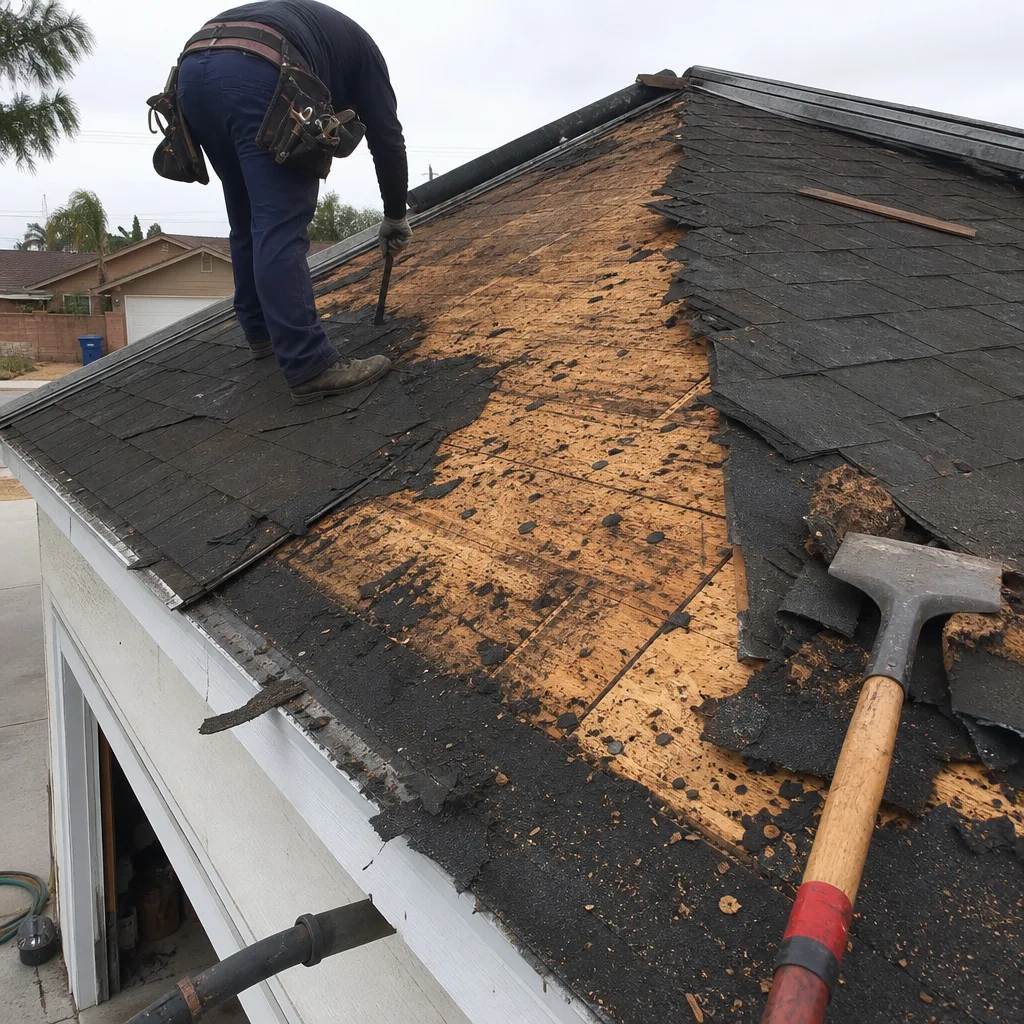 Before
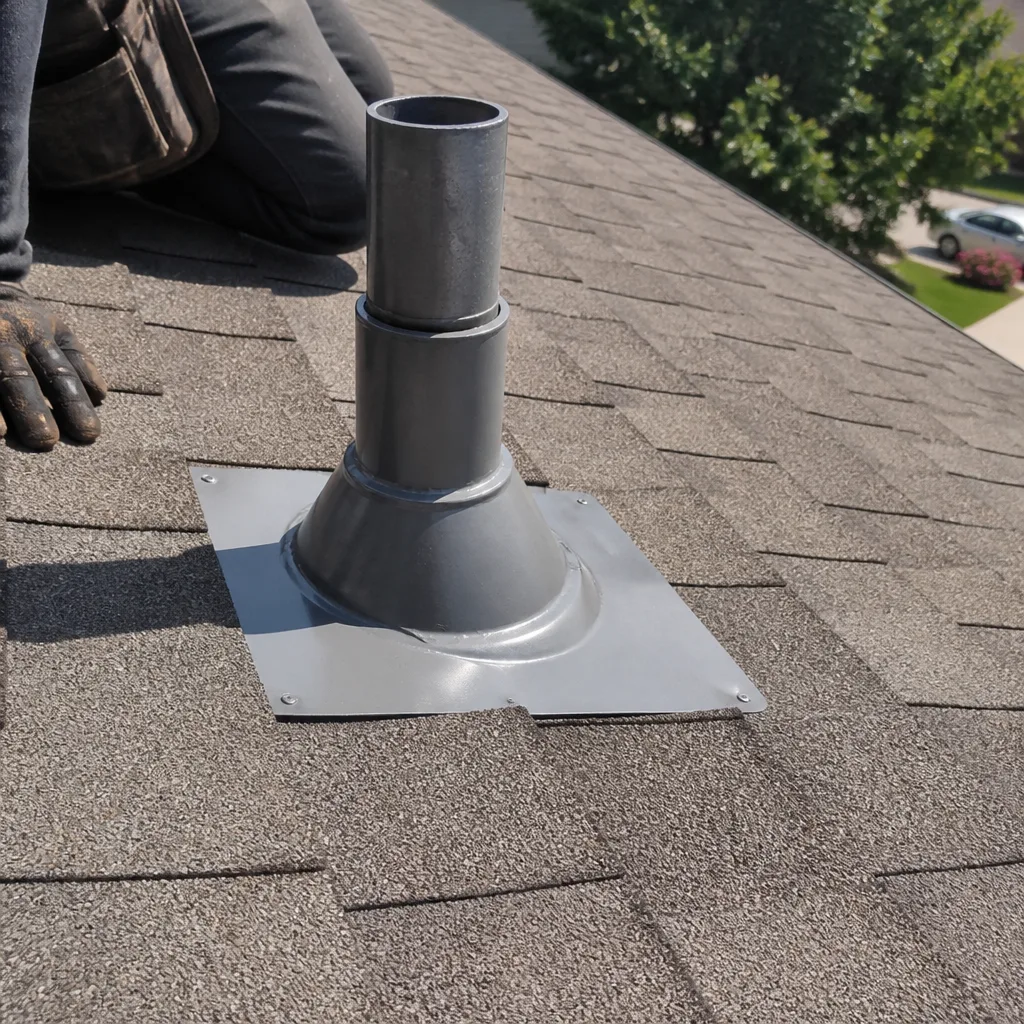 After