
Last updated October 30, 2026
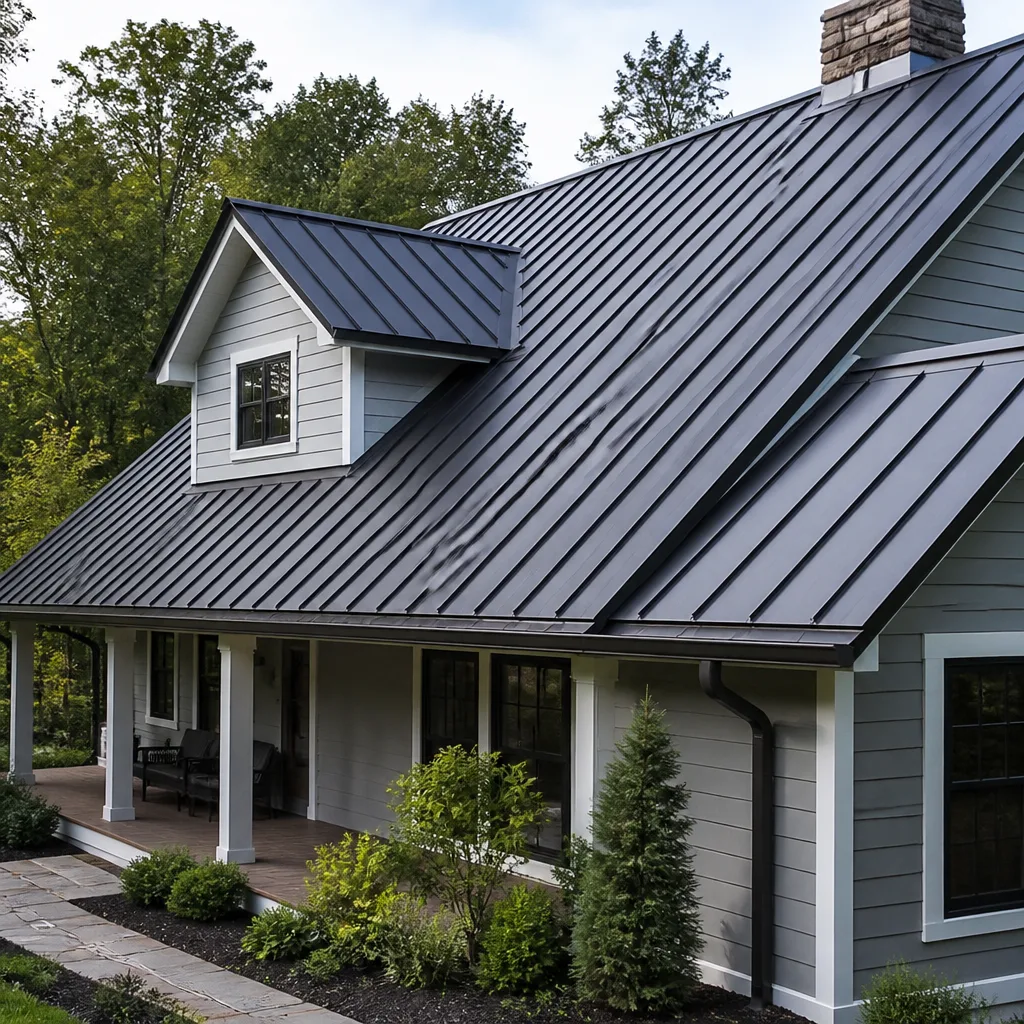 Metal roofing
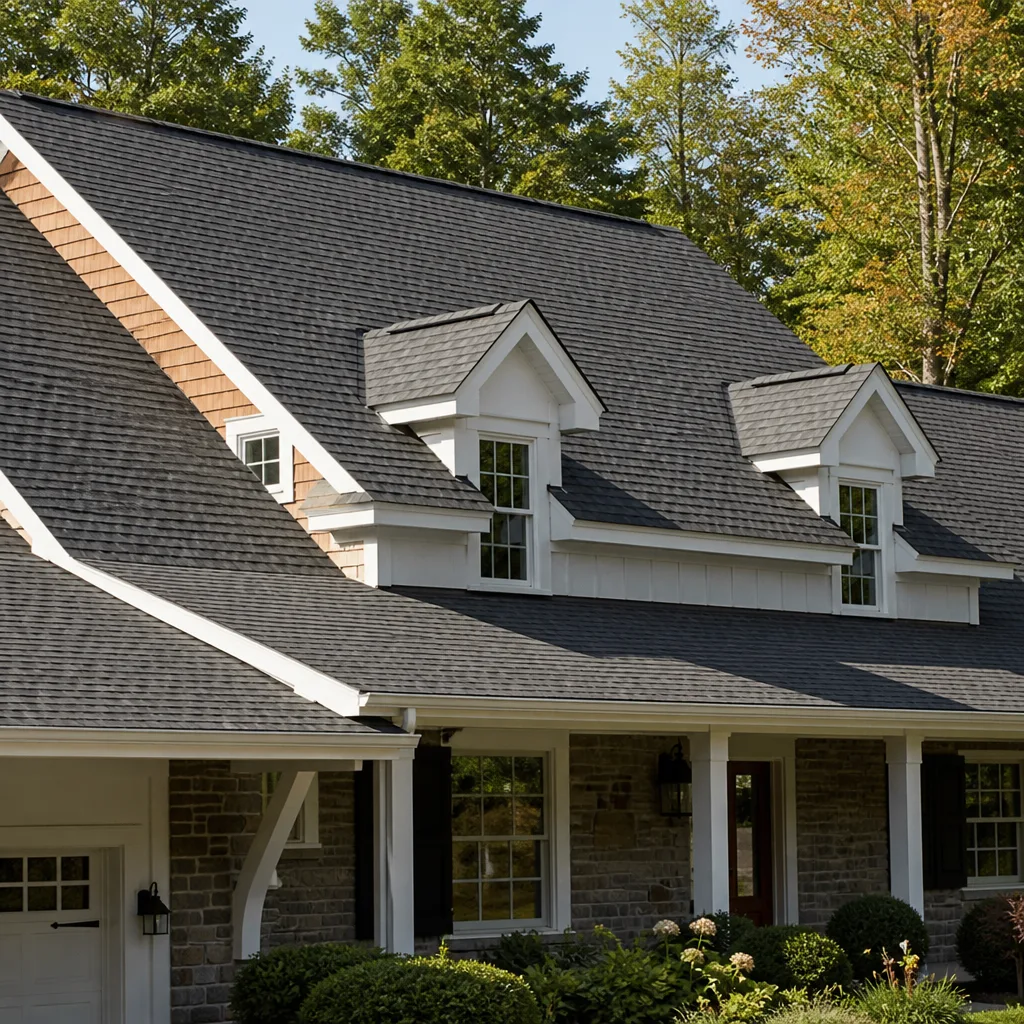 Architectural shingles
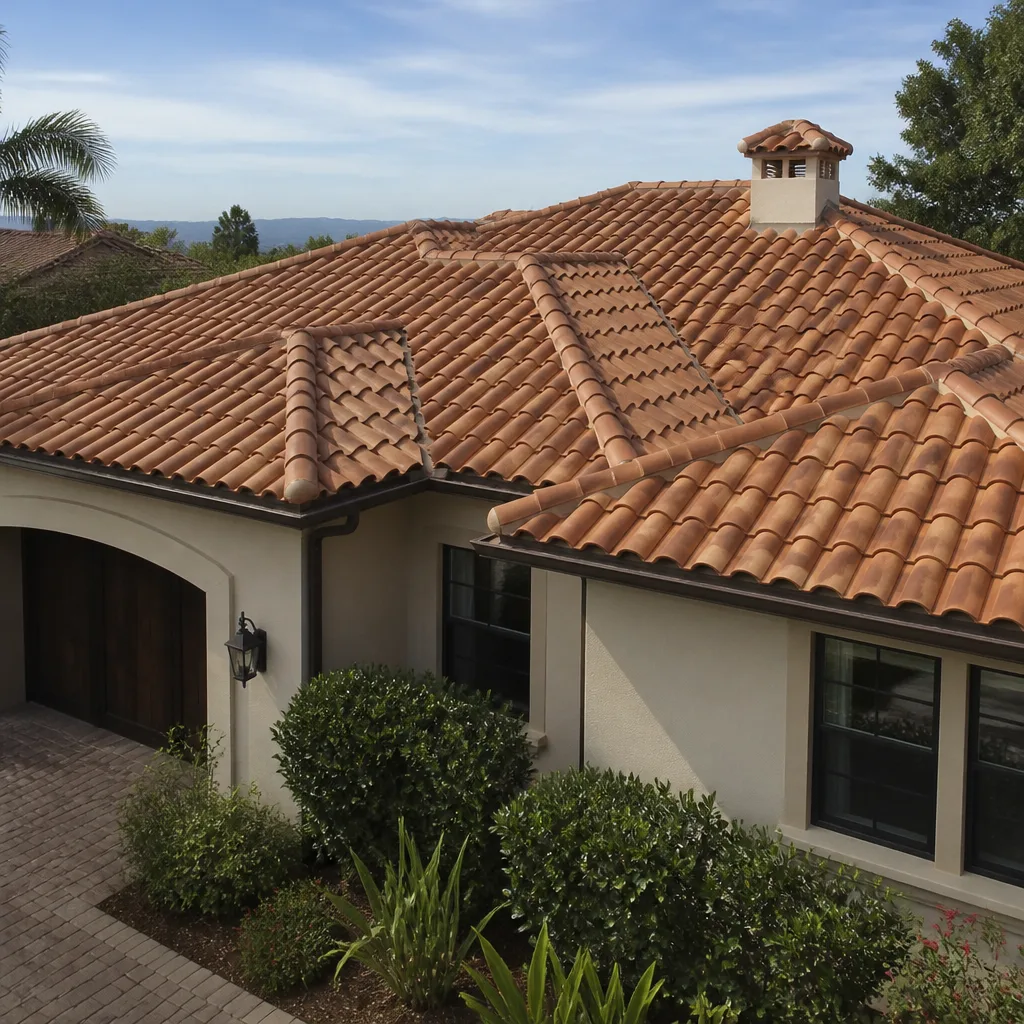 Tile roofing
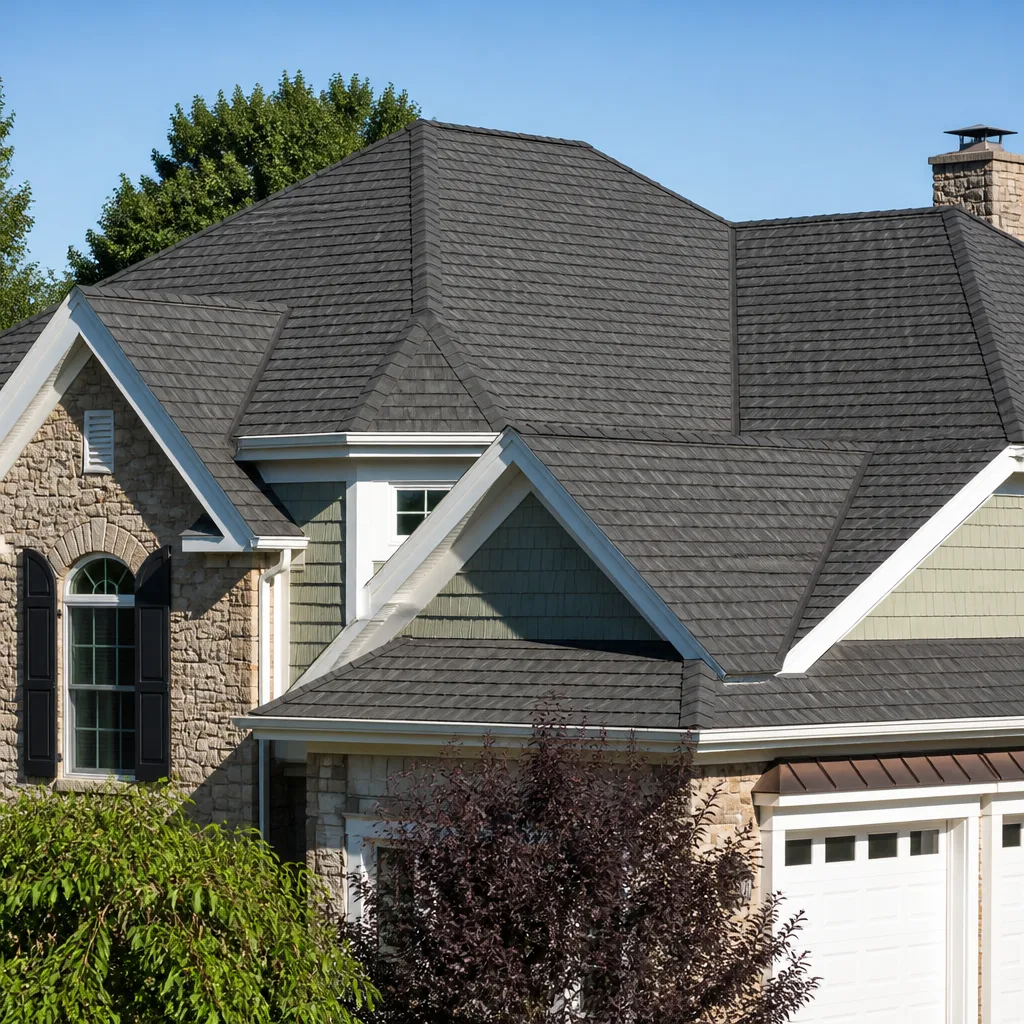 GAF
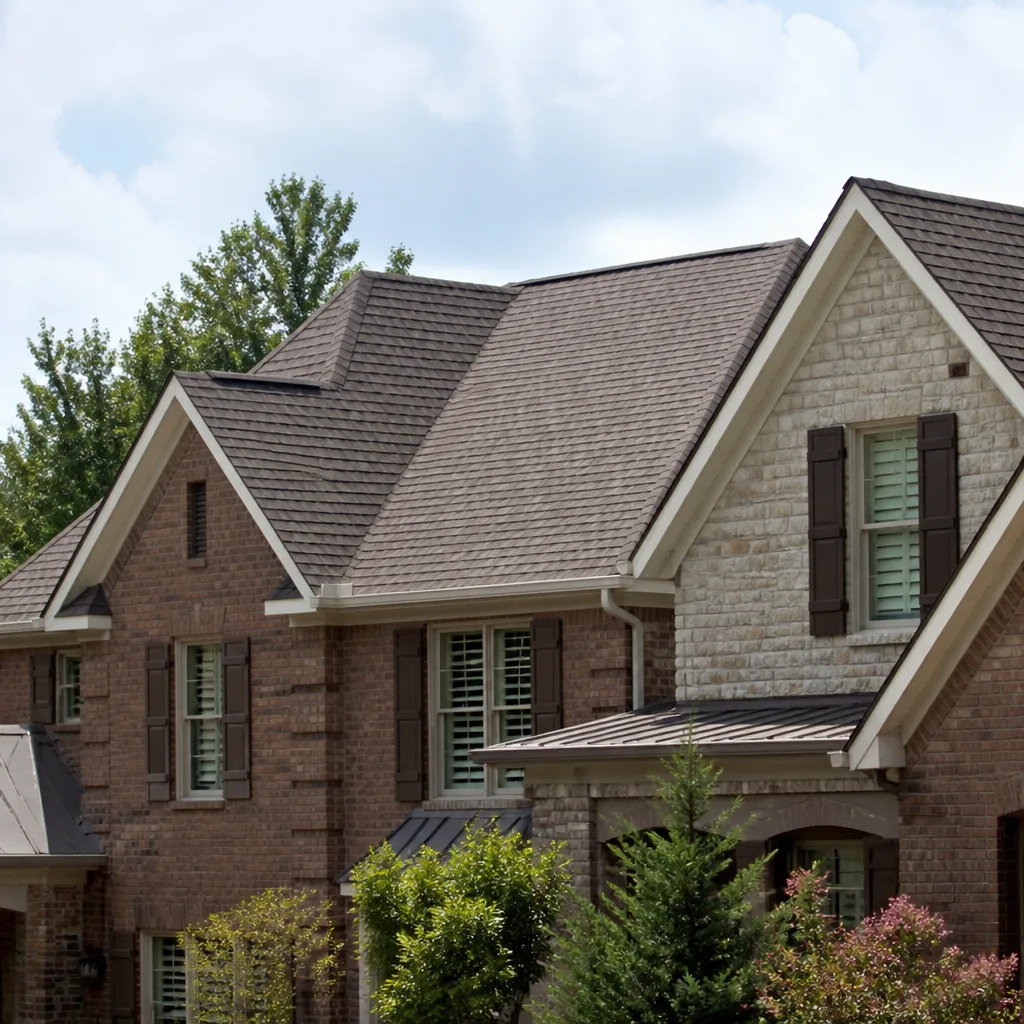 Owens Corning
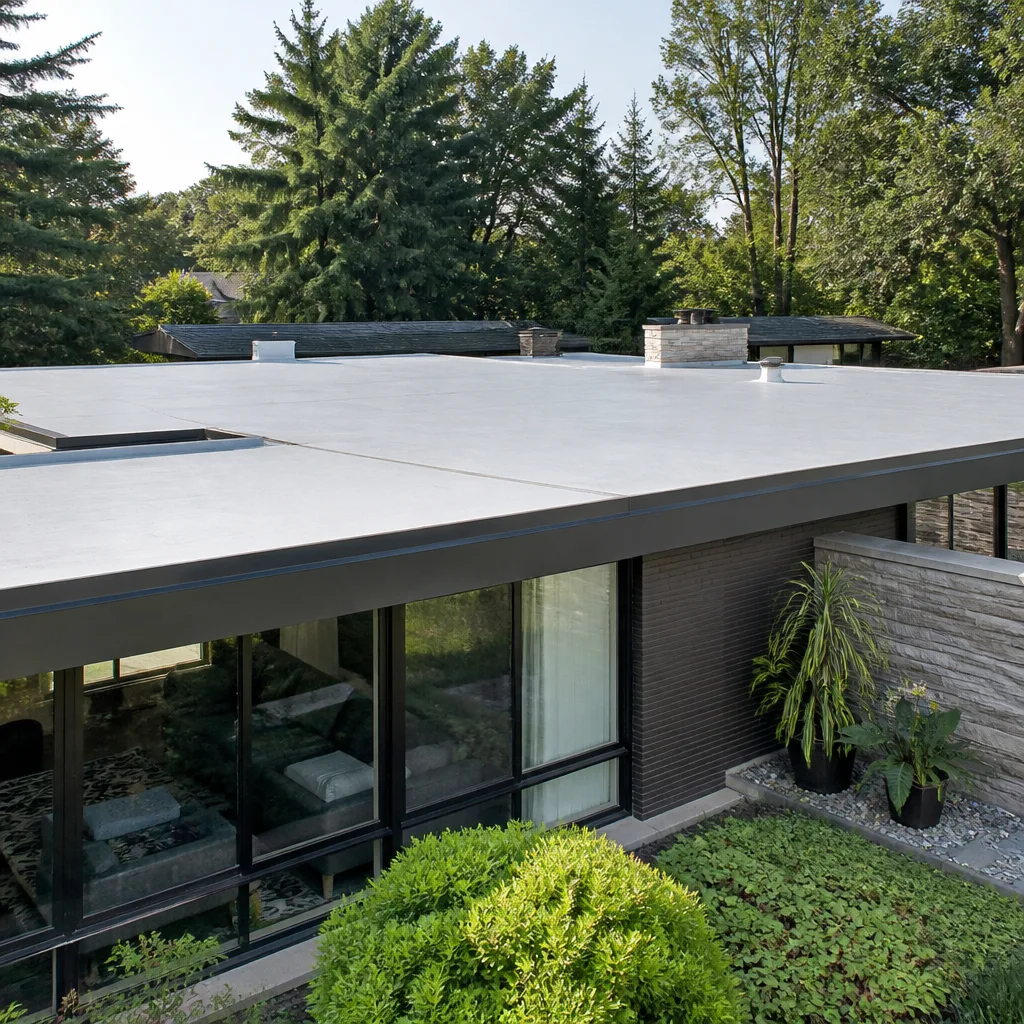 Flat & low-slope
Free roof inspection with deck photos before we talk money - GAF and Owens Corning certified installation
The Complete Guide to Roofing in Ontario
Ontario, CA logs summer highs above 100°F for weeks at a stretch. That thermal cycling alone degrades asphalt shingles 30 – 40% faster than coastal California climates, yet most roofing guides treat the whole state as one market. This guide maps the full roofing lifecycle specifically to what Ontario homes actually face: intense UV exposure, seasonal Santa Ana winds, and the periodic El Niño rains that expose every small vulnerability in a roof system. For a deeper dive, see The Complete Roof Repair Guide for Ontario Homeowners. By the end, you’ll understand how Ontario’s inland climate changes the math on materials, when a repair makes more sense than a replacement, and what the city’s permitting process actually requires.
Quick Answer
Roofing in Ontario, CA means planning for a specific set of inland climate realities: prolonged heat that accelerates asphalt shingle aging, Santa Ana wind gusts that test flashing and ridge lines, and periodic heavy rain that punishes any weak seam. The smart approach follows the full roofing lifecycle: a documented inspection first, targeted repairs when damage is isolated, and full replacement only when the roof system is near the end of its service life. Not sure whether to tackle repairs yourself or call a pro? Read DIY vs Professional Roofing: The Ontario Homeowner’s Decision Guide. Material choice matters more here than in coastal California because Ontario’s UV index and temperature swings punish the wrong product quickly.
Styles & brands we work with
Table of Contents
- How Ontario’s Inland Climate Wears Out Roofs Differently
- The Roofing Lifecycle: Inspection, Repair, Replacement
- Material Selection for Ontario’s UV Index and Wind Corridors
- Why Manufacturer Lock-In Hurts Ontario Homeowners
- Ontario Permits, Inspections, and HOA Requirements
- Roofing Cost Factors in Ontario, CA
- How to Tell Which Stage Your Roof Is At
- Common Mistakes to Avoid
How Ontario’s Inland Climate Wears Out Roofs Differently
Ontario sits in the Inland Empire, where summer temperatures regularly cross the 100°F mark and winter nights can dip near freezing in higher-elevation pockets near the foothills. That swing matters. Asphalt shingles expand during triple-digit afternoons and contract when temperatures drop at night. Over a decade, that expansion-contraction cycle creates hairline cracks in the shingle mat, a failure mode we see far more often in Ontario than in Los Angeles coastal neighborhoods where temperatures stay moderate year-round.
Santa Ana winds add a second stressor. These seasonal wind events funnel through the Cajon Pass and across the Ontario plain, with gusts that routinely reach 40 to 60 mph. Loose shingles, lifted flashing, and aging ridge caps get exposed quickly. What starts as a small wind-lifted shingle corner becomes a moisture entry point during the next rain event, and in Ontario that rain often arrives in concentrated bursts during El Niño winters.
The third factor is UV radiation. Ontario’s clear-sky days are abundant, which means constant direct sunlight on south-facing roof slopes. UV breaks down the asphalt compounds in shingles, causing granule loss and brittleness. A roof in Ontario with sustained southern exposure can show measurable granule loss within 8 to 10 years, well before its nominal 25-year warranty window closes.
Our roof inspection team in Ontario documents these climate-specific wear patterns regularly. The damage signature differs from coastal roofs: thermal splitting along shingle edges, wind-lifted flashing at gable ends, and UV-brittle shingles on south slopes. Recognizing these patterns early is the difference between a $400 repair and a $14,000 replacement.
The Roofing Lifecycle: Inspection, Repair, Replacement
Every roof in Ontario moves through a predictable lifecycle, and knowing which stage your roof is at determines the right action. The three stages are inspection, repair, and replacement, and they often overlap. Here’s how each stage works in practice:
Stage 1: Roof Inspection
A proper roof inspection in Ontario involves walking the entire roof surface, documenting the condition of shingles, flashing, sealants, penetrations, and drainage systems, then compiling findings into a written report with photos. The key distinction: a legitimate inspection is a standalone service with documentation, not a setup for a sales pitch. Hawk Roof Repair’s Roof Inspection in Ontario service exists independently of any repair or replacement work. You get the findings, the photos, and the recommendations. What you do with them is your call.
Stage 2: Roof Repair
Roof repair makes sense when damage is isolated and the roof system overall has remaining service life. In Ontario, common repair scenarios include wind-lifted shingles after Santa Ana events, cracked pipe boot seals, damaged flashing at valleys or chimneys, and localized granule loss on south-facing slopes. The repair threshold typically holds when the damaged area covers less than 15 to 20 percent of the roof surface and the underlying decking is sound. For detailed guidance on repair scenarios and costs, see our Roof Repair in Ontario page.
Stage 3: Roof Replacement
Replacement becomes the right call when the roof system as a whole is exhausted: shingles are curling or cracking across multiple slopes, the underlayment is failing, or the roof has reached 80 to 90 percent of its expected service life. In Ontario’s climate, an asphalt shingle roof installed with standard-grade materials typically reaches this point at 15 to 22 years, depending on ventilation quality and sun exposure. Our Roof Replacement in Ontario guide breaks down material options and the replacement process in detail.
The lifecycle order matters. Inspection first. Every time. Without documented findings, you’re guessing, and in Ontario’s climate, guessing wrong means paying for the same repair twice.
- Schedule a documented roof inspection with written findings and photos.
- Review the report and assess damage extent against remaining roof life.
- If damage is isolated and the roof system is sound, proceed with targeted repair.
- If damage is widespread or the roof is near end-of-life, plan for replacement.
- After any major weather event in Ontario (Santa Ana winds, heavy El Niño rain), schedule a follow-up inspection to catch new damage before it compounds.
Material Selection for Ontario’s UV Index and Wind Corridors
Ontario’s climate demands more from roofing materials than most guides acknowledge. A material that performs well in San Diego’s marine layer may fail prematurely in the Inland Empire’s blast-furnace summers. Here’s how the major material categories perform under Ontario conditions:
- Architectural asphalt shingles: The workhorse for Ontario residential roofs. Higher-grade architectural shingles from brands like GAF, CertainTeed, and Owens Corning offer improved UV resistance and wind ratings up to 130 mph. In Ontario’s heat, look for shingles with a high granule-embedment density, which resists UV-driven granule loss longer.
- Premium designer shingles: Brands like Atlas and Boral produce thicker, heavier shingles with enhanced thermal stability. These handle Ontario’s expansion-contraction cycles better than standard architectural lines, at a higher material cost.
- Synthetic underlayment: In Ontario, underlayment matters as much as the top layer. High-grade synthetic underlayment resists UV degradation during installation and provides a secondary water barrier during El Niño downpours.
- Ventilation components: Ontario homes need attic ventilation designed for sustained heat. Ridge vents and intake vents sized for Inland Empire summer conditions prolong shingle life by reducing attic temperatures, which slows the thermal degradation of the shingle mat from below.
The critical insight: no single material brand is “best” for every Ontario home. A south-facing roof with no shade wants maximum UV resistance. A home in a wind corridor near the 15 freeway wants maximum wind-rated shingles and reinforced flashing details. A two-story home with a simple gable design may do fine with a quality architectural shingle. The right answer depends on your specific roof orientation, exposure, and design, not on whichever brand your contractor happens to stock.
Hawk Roof Repair works with seven leading roofing material brands including GAF, CertainTeed, Owens Corning, IKO, Atlas, Tamko, and Boral, so the material recommendation for your Ontario home comes from the condition of your roof and your budget, not from a supplier contract. We inspect first, document findings, then match materials to what your specific roof actually needs.
Why Manufacturer Lock-In Hurts Ontario Homeowners
Many Ontario roofing contractors operate as certified installers for a single shingle manufacturer. That model works for the contractor’s supply chain, but it creates a problem: every roof they quote gets steered toward their one brand, regardless of whether that brand’s product line best fits the specific home’s exposure and the homeowner’s budget.
The result is a take-it-or-leave-it choice. You get the brand they carry, in the color they stock, at the price they set. If a different manufacturer produces a better UV-resistant shingle for your south-facing Ontario roof, you’ll never hear about it from a locked-in contractor.
Manufacturer lock-in also limits your options on warranty structure. Different brands offer different warranty tiers, wind coverage, and transferability terms. Ontario homeowners facing 100°F summers and Santa Ana wind events benefit from comparing actual product specifications across brands, not from accepting a single-brand pitch delivered on a ladder.
Hawk Roof Repair’s approach is different: we’re not locked into any single manufacturer. Our material portfolio spans seven major brands, including Atlas, CertainTeed, and GAF, which means our inspectors and estimators can recommend the product line that matches your roof’s exposure, your home’s architectural style, and your budget. The right material for your roof, not the one we happen to stock.
Ontario Permits, Inspections, and HOA Requirements
Roofing work in Ontario, CA requires a building permit through the City of Ontario’s Building Department. The permit applies to full roof replacements and, in most cases, any repair that involves replacing more than a minor area of roof covering or any work that touches the roof deck. Minor repairs like replacing a few shingles or resealing flashing typically fall below the permit threshold, but any contractor should confirm this with the city before starting work.
The Ontario permit process includes plan review for replacements, a mid-project inspection (usually after the old roof is stripped and before new materials go on), and a final inspection after completion. A legitimate Ontario roofing contractor pulls the permit, schedules the inspections, and handles any corrections the city requires. Homeowners who skip permits to save money create liability issues when they sell the home, since unpermitted roof work gets flagged during pre-sale inspections.
HOA overlays add another layer. Many Ontario neighborhoods, particularly master-planned communities in the north and east parts of the city, have architectural review committees that regulate roof material types and colors. If your home sits in an HOA, the approval process typically runs before the city permit application. The HOA may restrict material types (for example, specifying architectural shingles over three-tab, or restricting certain color palettes), and those restrictions overrule personal preference.
The practical sequence for Ontario homeowners:
- Check your HOA’s architectural guidelines if your home is in an association.
- Submit roof plans and material samples to the HOA for written approval.
- Have your contractor pull the City of Ontario building permit.
- Complete the work with required mid-project and final city inspections.
- Keep all documentation including HOA approval, permit, and inspection sign-offs for your home records.
Any experienced Ontario roofer should handle steps 3 and 4 as part of the job. The best ones help you navigate the HOA piece too, because they’ve worked in your specific community before.
Roofing Cost Factors in Ontario, CA
Roofing costs in Ontario vary based on several factors that interact with the local climate and housing stock. Here’s what drives pricing for Ontario roofs specifically:
- Roof complexity: Ontario’s housing stock ranges from simple ranch homes in the older central neighborhoods to multi-gable two-story homes in newer developments north of the 210. More valleys, hips, and penetrations mean more labor and more material waste.
- Material grade: Standard architectural shingles represent the baseline price point. Premium designer shingles from brands like Atlas or Boral run higher, as do upgraded synthetic underlayments and high-wind fastening systems.
- Decking condition: In Ontario’s heat, plywood decking near the eaves can delaminate or develop dry rot from past moisture intrusion. Repairs to the deck add cost that’s impossible to quote until the old roof comes off. Any honest estimate includes a decking replacement line item that triggers only if damage is found.
- Ventilation upgrades: Many older Ontario homes were built with inadequate attic ventilation for Inland Empire heat. Adding ridge venting or upgrading to a balanced intake-exhaust system adds cost but extends the life of the new roof measurably.
- Disposal and access: Ontario homes on small lots or with limited driveway space may require additional labor for material staging and debris disposal. Two-story homes add setup and safety time.
Typical price ranges for Ontario residential roofs:
- Roof repair: $350 – $1,800 depending on damage extent, with most isolated repairs falling between $400 and $900.
- Full replacement (architectural shingles): $11,000 – $19,000 for a standard single-story Ontario home, depending on roof size and complexity.
- Full replacement (premium designer shingles): $16,000 – $28,000 for comparable homes using higher-grade materials.
- Standalone roof inspection: $200 – $450 depending on roof size and documentation level.
These ranges reflect Ontario market conditions and local permit costs. The only way to get an accurate number for your specific roof is a documented inspection followed by a written, line-item estimate. Any contractor quoting a flat price without inspecting is guessing, and in Ontario’s climate, that guess usually costs you later.
How to Tell Which Stage Your Roof Is At
Most Ontario homeowners notice roof problems through interior signs before they ever see the roof surface. Here’s how to interpret what you’re seeing:
- Ceiling stains or discoloration: Active moisture entry. In Ontario, this often traces to wind-lifted flashing from the last Santa Ana event or a cracked pipe boot seal. Needs immediate inspection.
- Granules in gutters or at downspout bases: Some granule loss is normal, especially after the first year of a new roof. Excessive accumulation, particularly on south-facing slopes, signals UV-driven shingle breakdown. This is the earliest warning sign Ontario roofs give.
- Curling or cupping shingles: Shingles that curl at the edges are thermally stressed. In Ontario’s heat, this is the signature of a roof approaching end-of-life, especially if curling appears across multiple slopes.
- Visible shingles in the yard after wind: After a Santa Ana wind event, walk your property. Shingles on the ground mean shingles elsewhere on the roof are loose. Wind damage compounds fast if left unaddressed.
- Daylight visible through attic boards: Check your attic on a bright day. Light coming through the roof deck means compromised roofing material above that point.
- Age: If your roof was installed more than 15 years ago and shows any of the signs above, start planning. In Ontario’s climate, standard-grade shingle roofs often reach replacement age at 18 to 22 years.
When you see these signs, the next step is a documented inspection, not a repair quote. You need to know the full extent of damage before deciding whether repair or replacement is the right call. That’s why inspection comes first in the lifecycle, and why it should be a standalone, documented service.
Hawk Roof Repair home offers full-lifecycle roofing services in Ontario: inspection, repair, and replacement through a single company, so you’re not juggling three contractors as your roof’s condition changes over time.
Common Mistakes to Avoid
- Skipping the documented inspection before getting quotes. Without written findings and photos, you can’t compare repair versus replacement fairly, and you can’t hold contractors to accurate scopes of work. Ontario homeowners who skip this step often end up paying for repairs that don’t address the real problem.
- Choosing materials based on price alone. The cheapest shingle that survives Ontario’s summer might not survive three Santa Ana seasons. Match material grade to your roof’s exposure, not just your budget ceiling.
- Ignoring HOA restrictions until after materials are ordered. If your Ontario community requires specific shingle colors or types, ordering materials before HOA approval means returning product or living with a violation letter. Check the HOA first.
- Assuming all contractors pull permits. Some Ontario roofing contractors cut corners on permits to stay busy. Unpermitted work becomes your liability at sale. Verify the permit is pulled before work starts.
- Waiting for rain to reveal roof problems. By the time a leak shows up during an El Niño storm, the roof deck and insulation may already be damaged. Ontario’s dry season is the best time for inspection-directed repairs, not the rainy weeks when contractors are booked solid.
- Accepting a single-brand pitch as a complete material recommendation. If a contractor only installs one shingle brand, that’s a supply chain decision, not a materials analysis for your home. You deserve options matched to your roof’s actual exposure.
See the difference
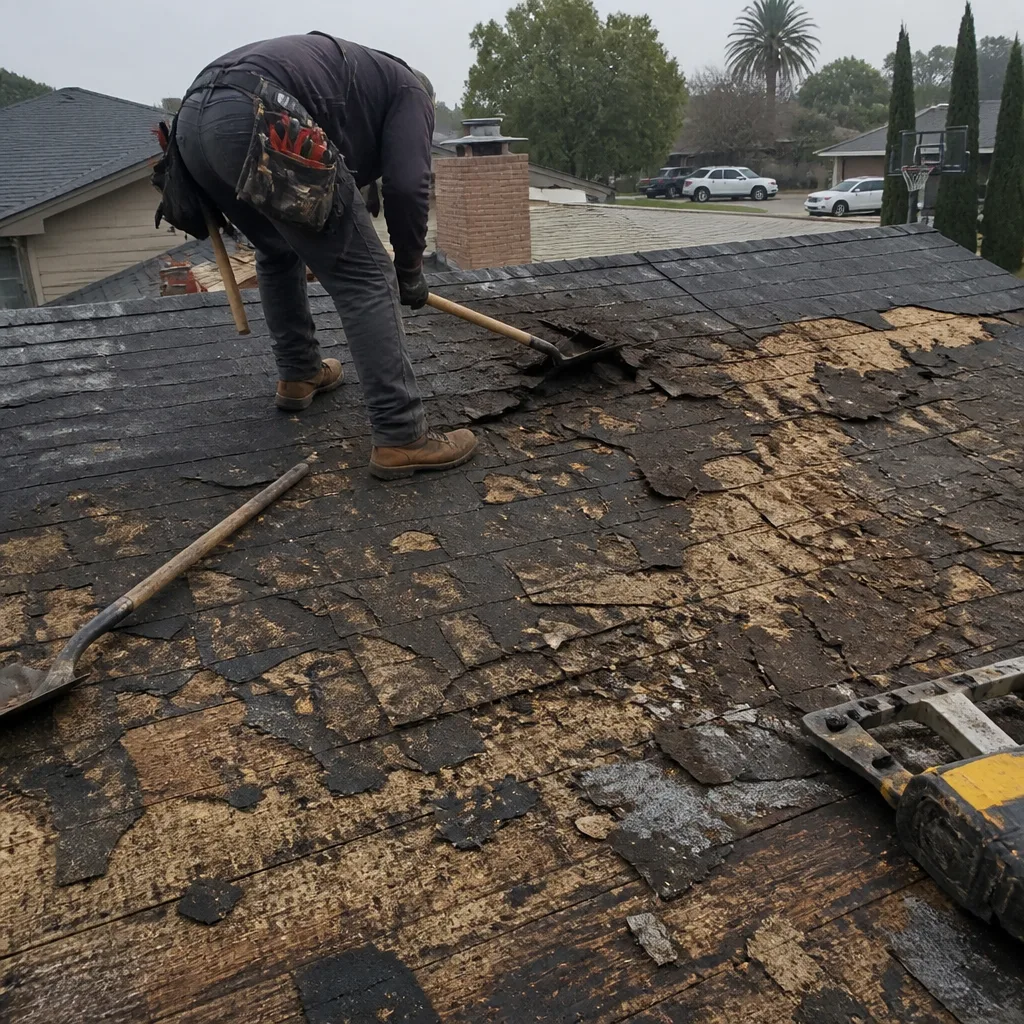 Before
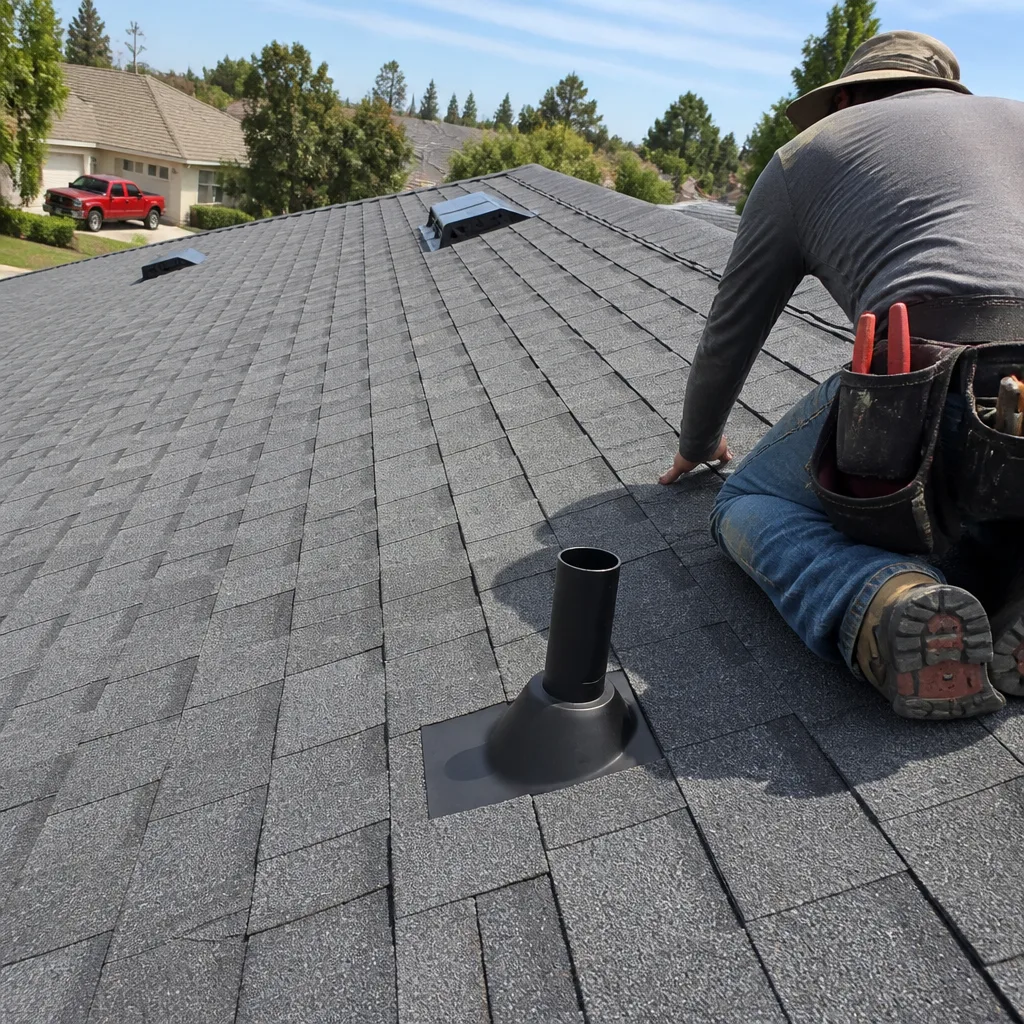 After
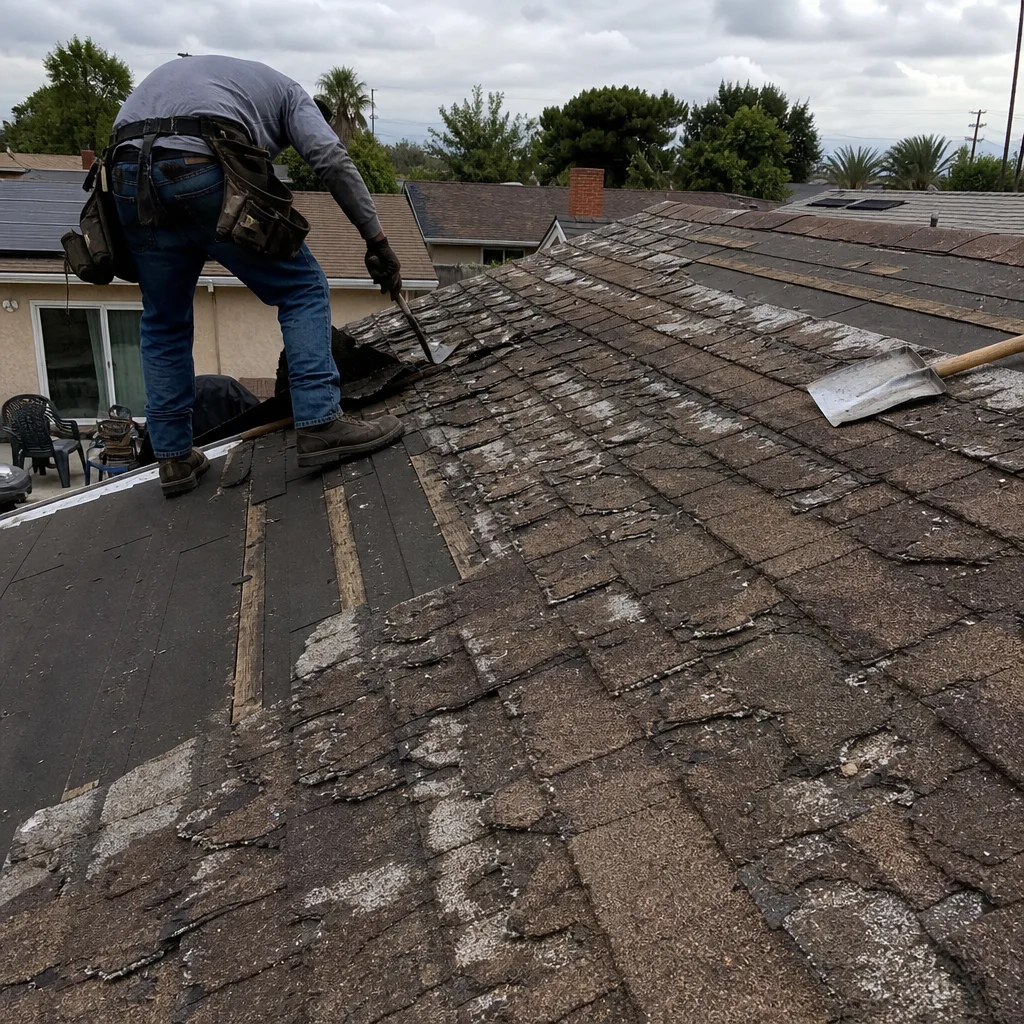 Before
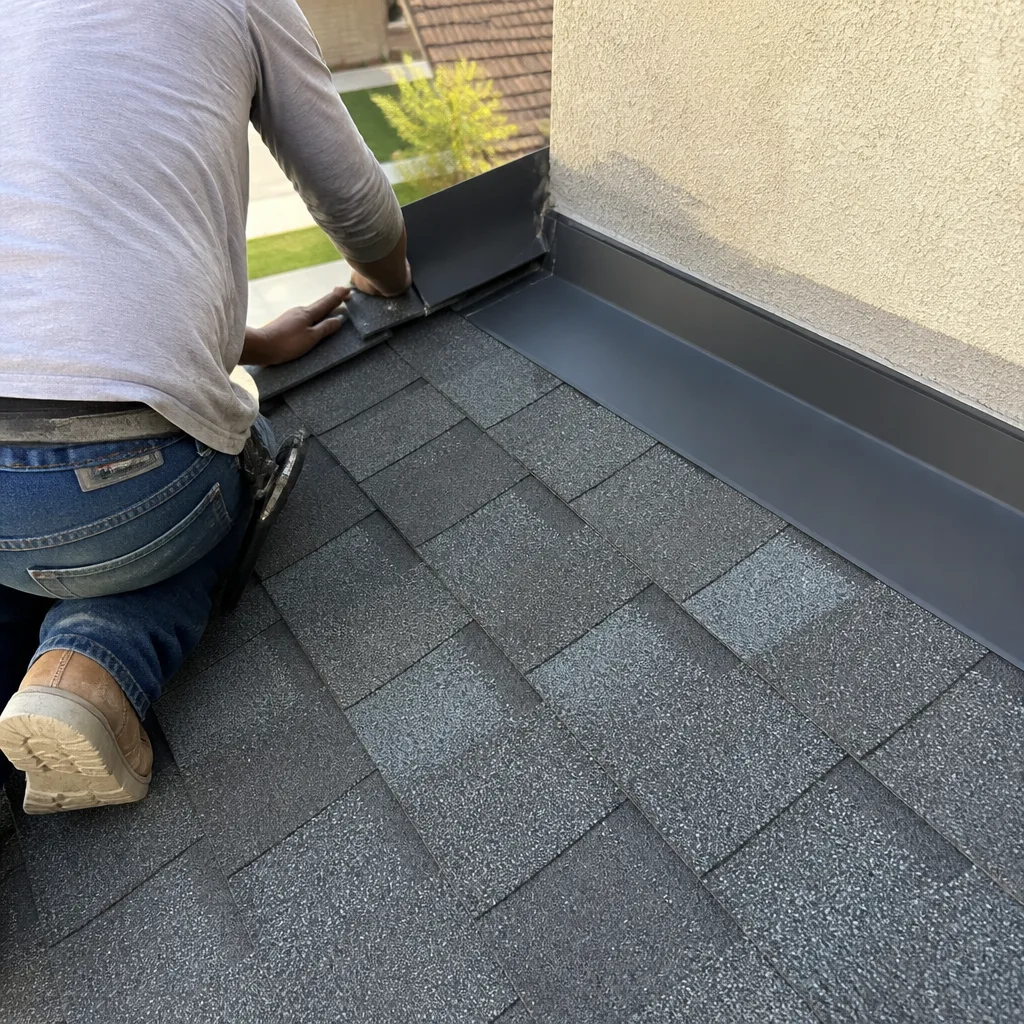 After
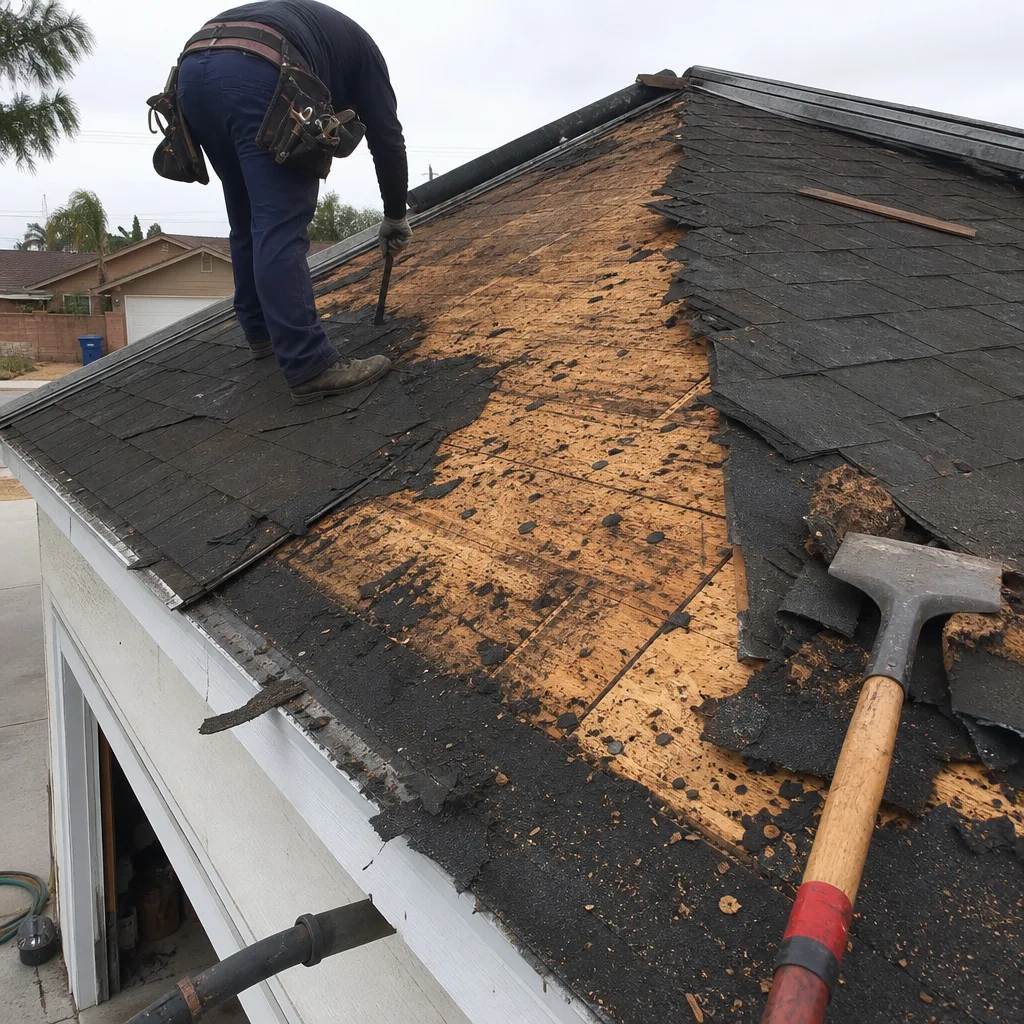 Before
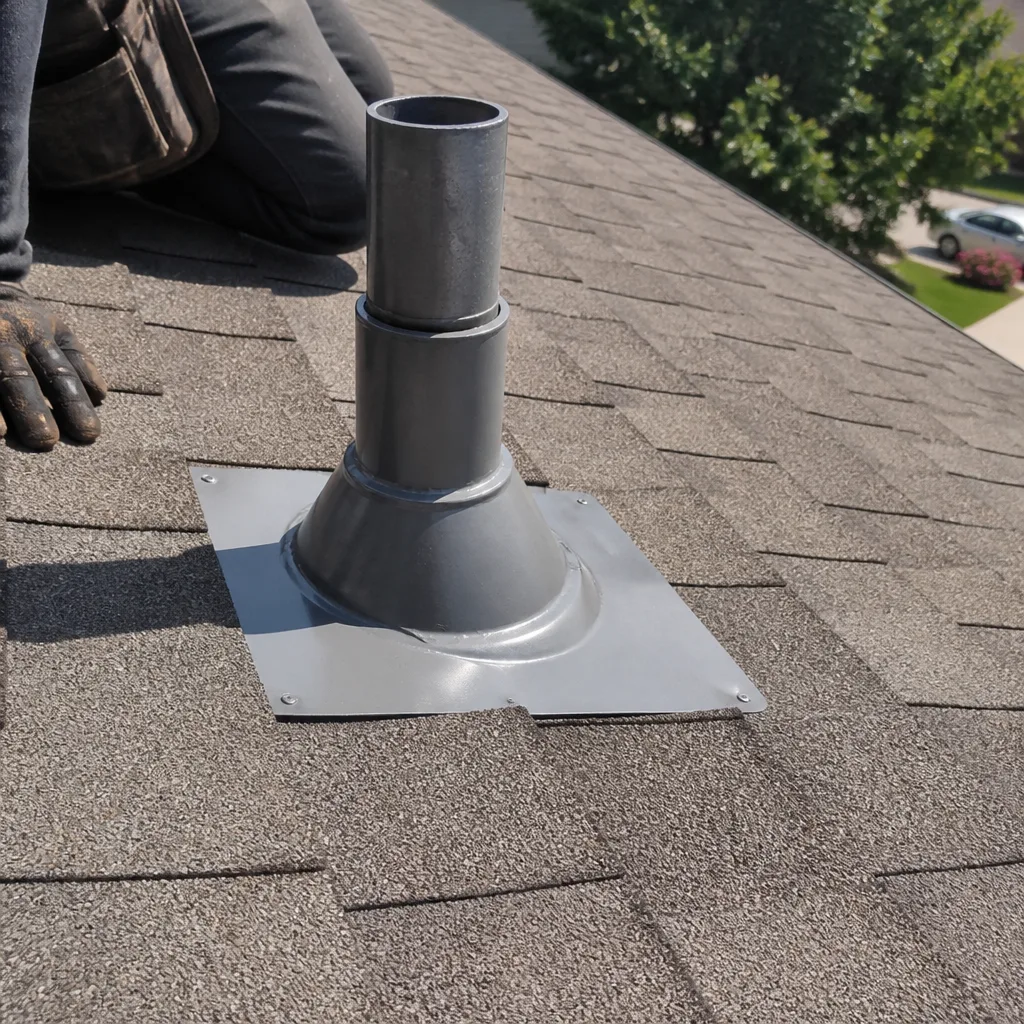 After
When to Call a Professional
Call a professional Ontario roofer when you see any active moisture entry (ceiling stains, drips), when shingles are visibly missing or wind-lifted after a storm, when granule loss is heavy on south-facing slopes, or when your roof has passed 15 years of age and you haven’t had a documented inspection in the last three years. Also call if you’re preparing to sell: a pre-listing roof inspection in Ontario identifies issues that buyers will flag anyway, giving you time to address them on your terms rather than during escrow negotiations.
Hawk Roof Repair offers free estimates in Ontario, including documented inspection findings with photos before any repair or replacement conversation begins. Call (877) 731-1384 to schedule yours.
Frequently Asked Questions
A roof replacement in Ontario typically costs between $11,000 and $19,000 for a standard single-story home with architectural shingles, with premium designer materials running $16,000 to $28,000 depending on roof size and complexity. Ontario’s permit fees and climate-driven material requirements factor into these ranges. Call (877) 731-1384 for an exact quote, estimates are free.
An asphalt shingle roof in Ontario typically lasts 18 to 22 years, shorter than the 25 to 30 year figures quoted for coastal California because triple-digit summer heat and UV exposure accelerate shingle aging. Homes with upgraded ventilation and premium-grade shingles can extend that lifespan. Signs like curling shingles and heavy granule loss on south-facing slopes indicate the roof is approaching replacement age.
Yes, the City of Ontario requires a building permit for full roof replacements, including plan review, a mid-project inspection, and a final inspection. Most repairs beyond minor shingle replacement or sealant work also require permits. A qualified Ontario roofing contractor handles the permit process as part of the job, and skipping permits creates liability issues when you sell your home.
Architectural asphalt shingles with high granule-embedment density and UV-stable compounds perform best for most Ontario homes, with premium designer lines from brands like Atlas and Boral offering enhanced thermal stability for south-facing roofs with heavy sun exposure. The right choice depends on your roof’s orientation, slope, and ventilation, not on a single “best” brand.
Yes, if the wind damage is isolated to a specific area of the roof and the roof system overall retains service life, a targeted repair addresses Santa Ana wind damage effectively. Wind-lifted shingles, damaged flashing, and displaced ridge caps are all repairable. If wind damage exposes widespread shingle failure or compromised underlayment, replacement may be the more cost-effective path. Call (877) 731-1384 for a documented assessment.
Many Ontario neighborhoods have architectural review committees that regulate roof material types and colors to maintain community appearance standards. The HOA approval process runs before the city permit application, and the HOA’s material restrictions override personal preference. Skipping HOA approval can result in violation notices or required removal of unapproved materials.
The Bottom Line
Roofing in Ontario is not a generic California problem. The Inland Empire’s summer heat, Santa Ana wind corridors, and periodic heavy rain create a specific set of failure patterns that demand a specific approach: documented inspection first, targeted repair when damage is isolated, and full replacement only when the roof system is genuinely exhausted. Material choice matters here more than in cooler, moister climates, and the right material for your home depends on its exposure, orientation, and design, not on whichever brand your contractor carries. If you’re seeing warning signs or your Ontario roof is past 15 years old, start with an inspection. Then browse more guides & resources to stay ahead of maintenance. The findings will tell you exactly what stage your roof is at.
Written by the team at Hawk Roof Repair, serving Ontario since 2017.