
Last updated October 30, 2026
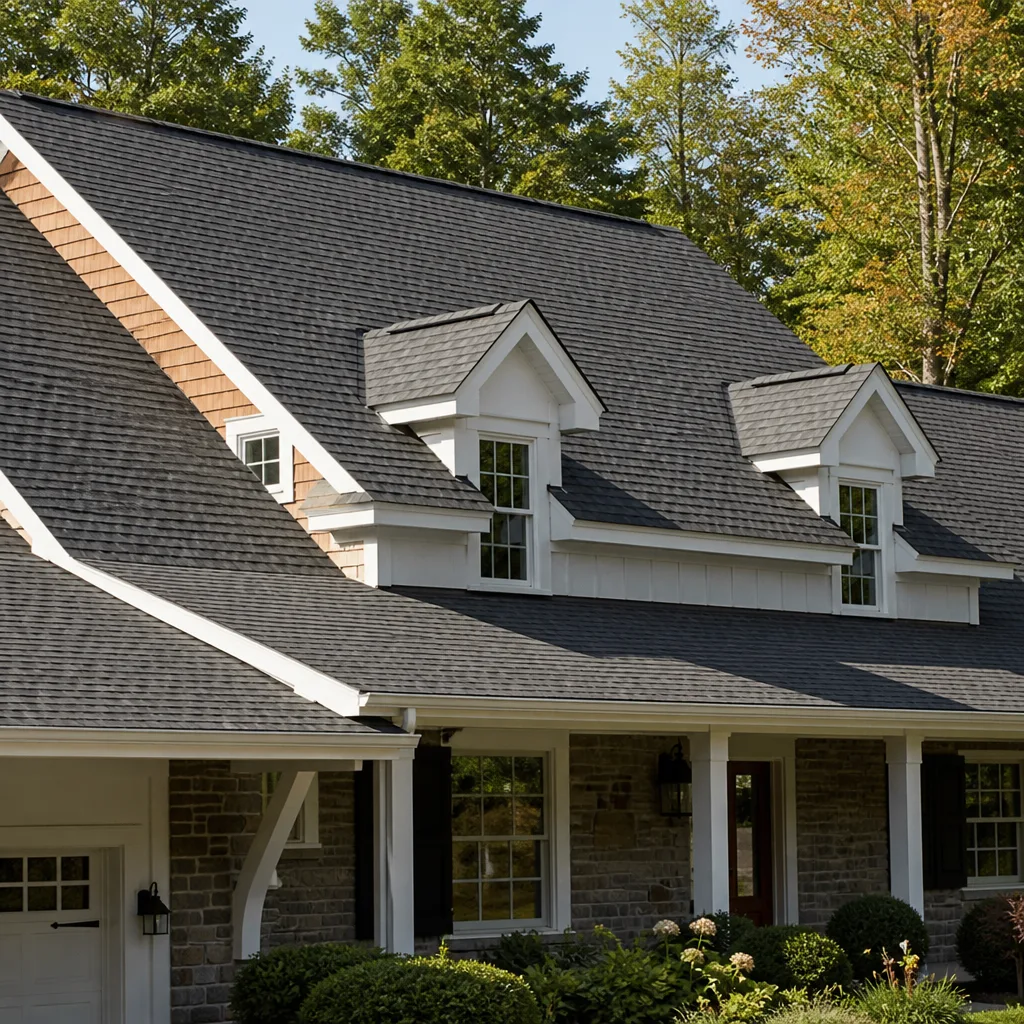 Architectural shingles
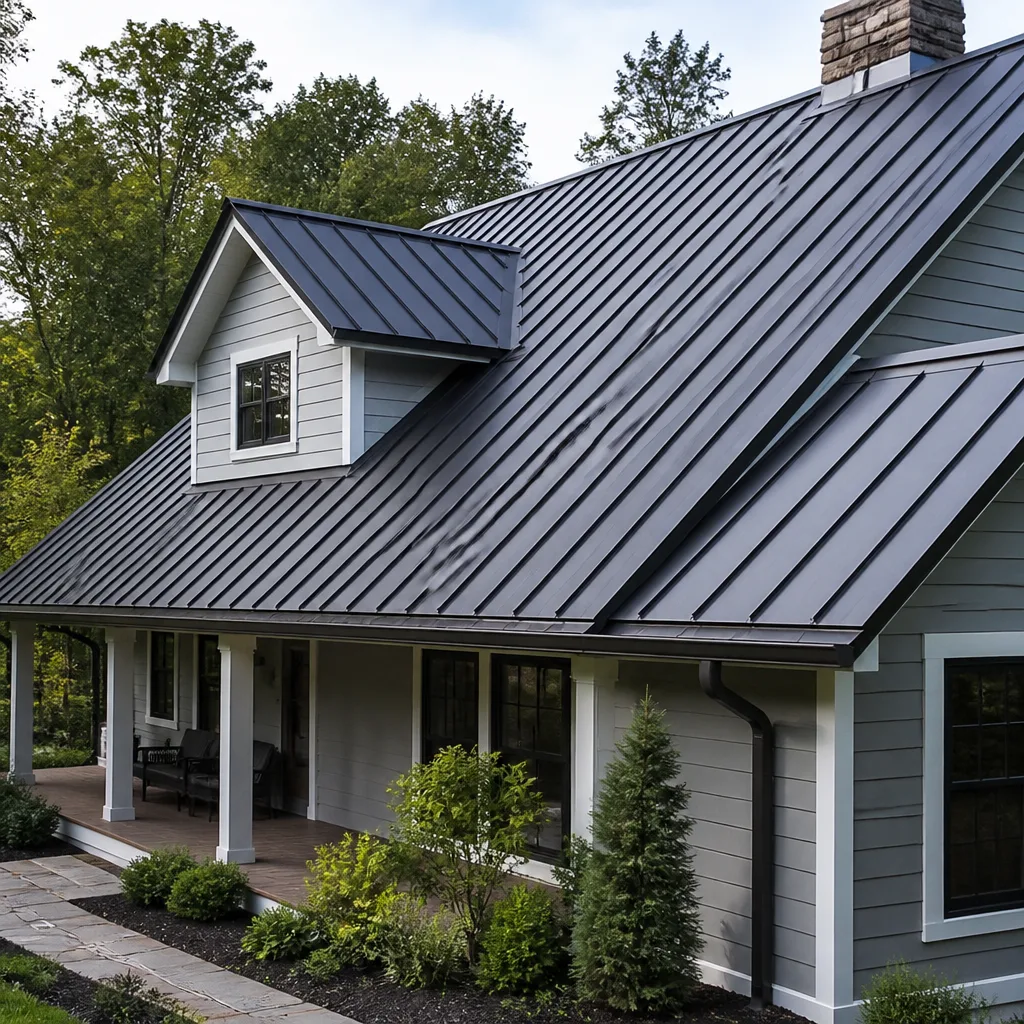 Metal roofing
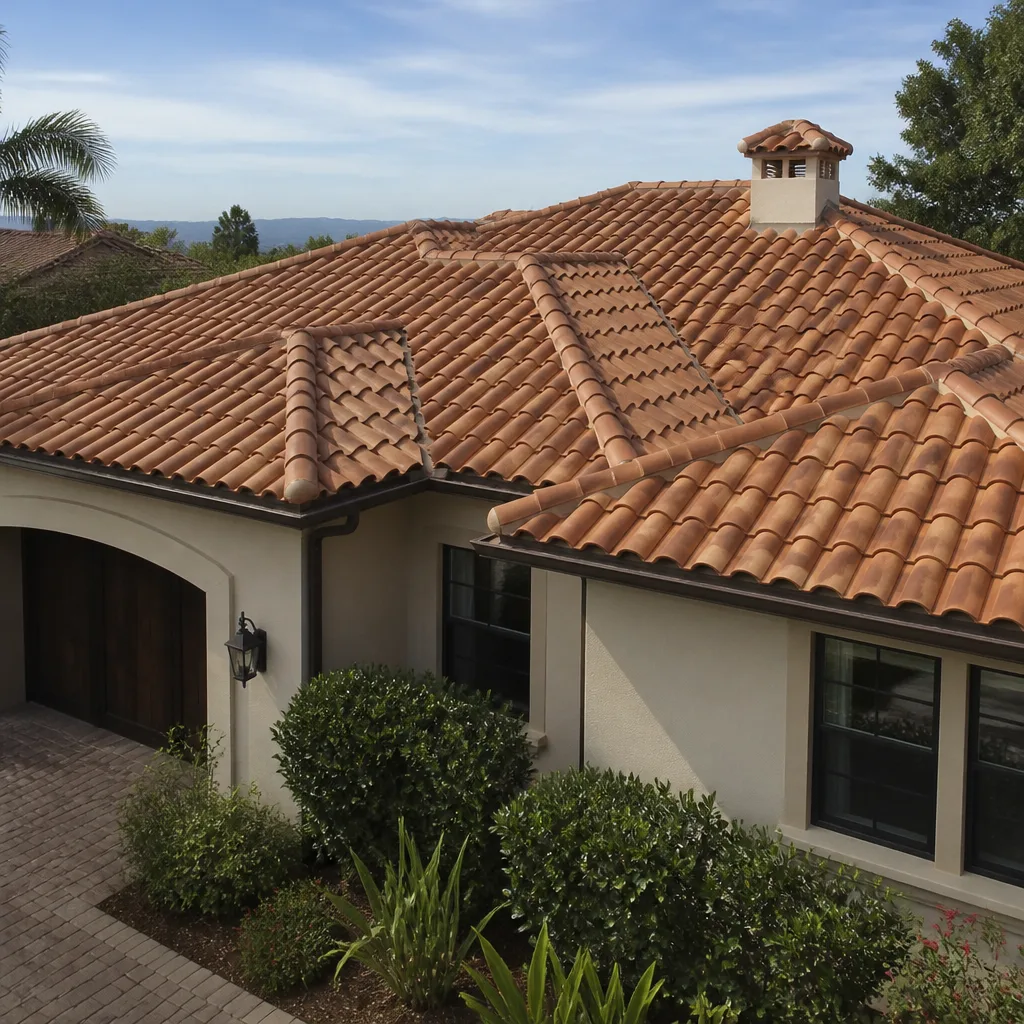 Tile roofing
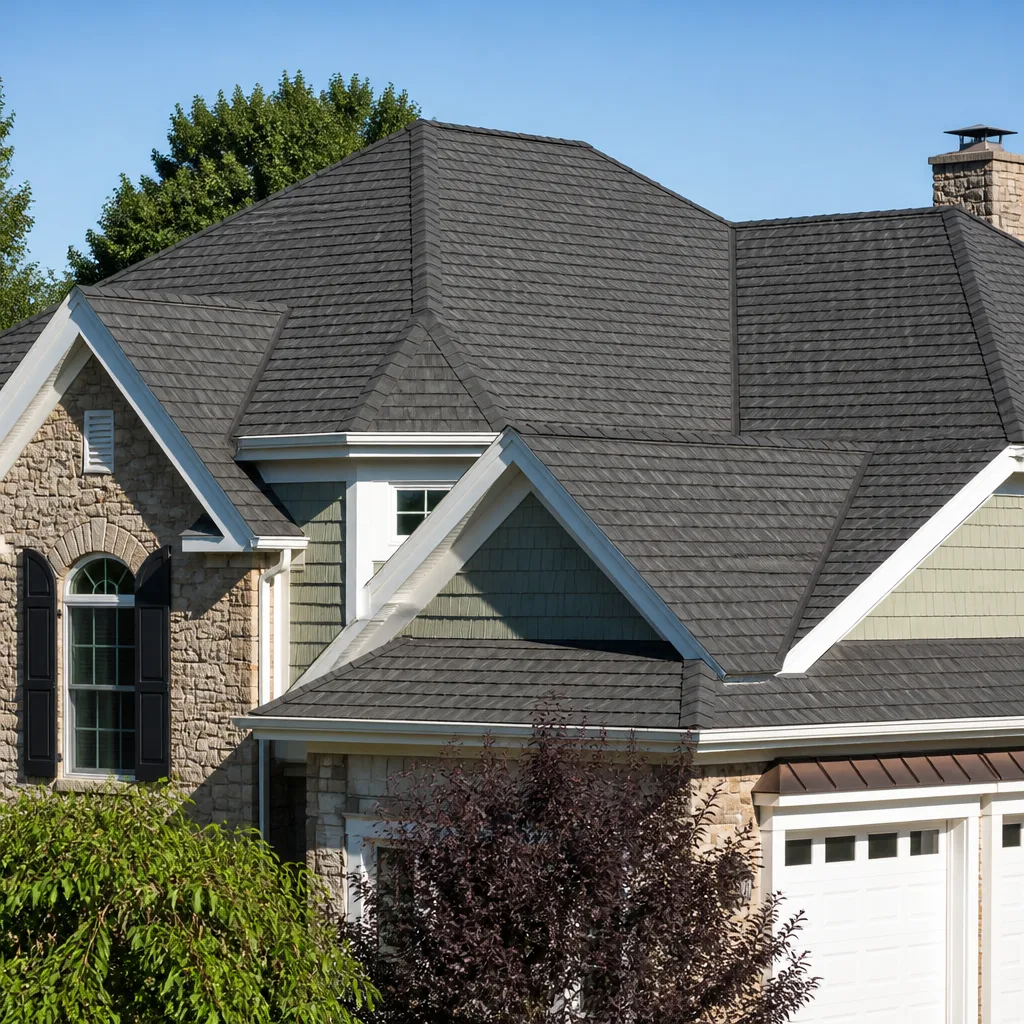 GAF
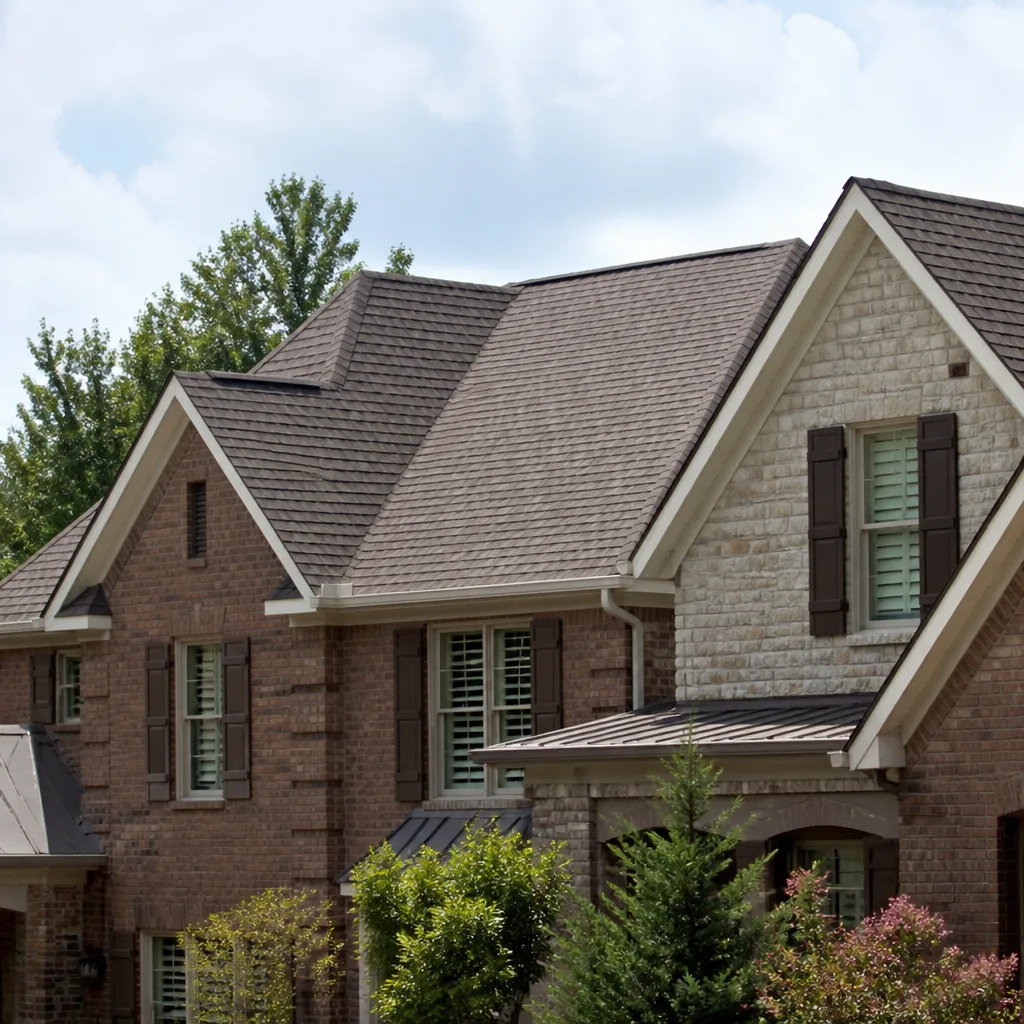 Owens Corning
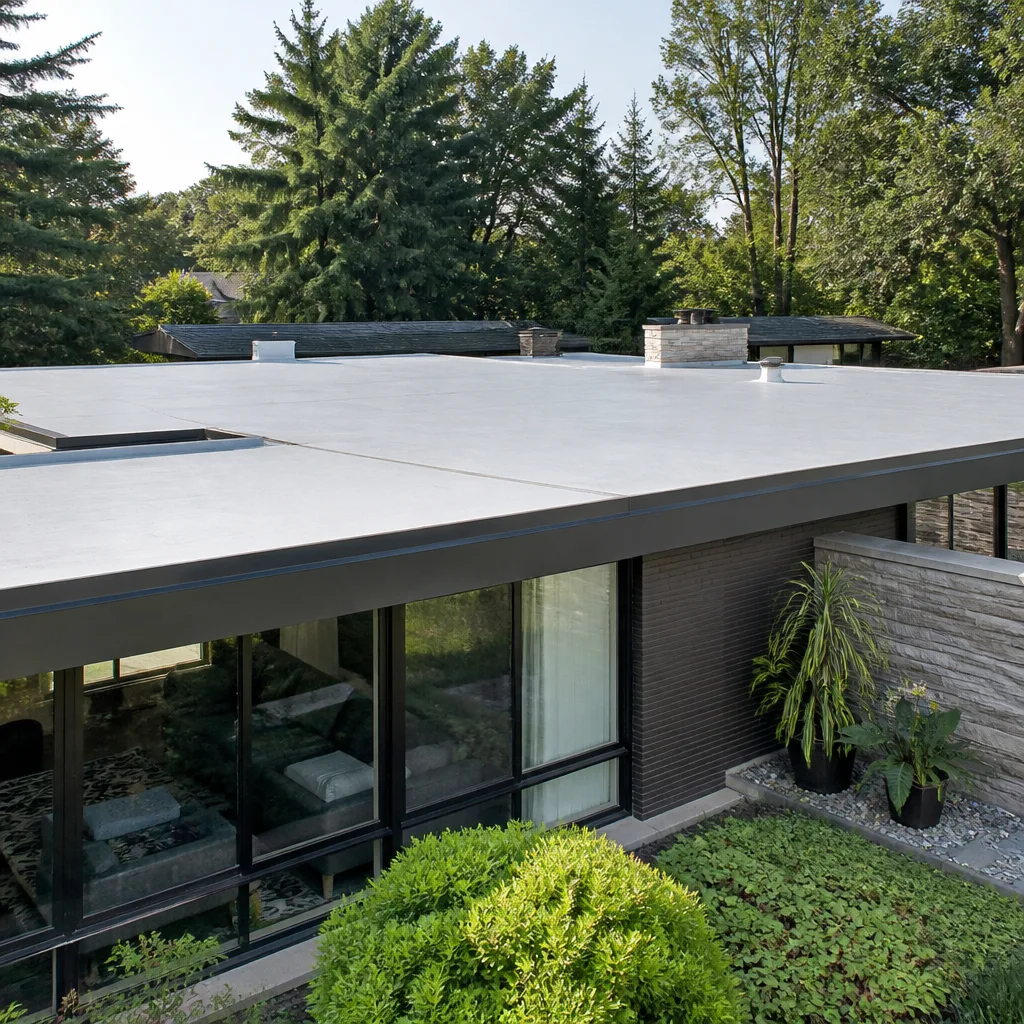 Flat & low-slope
Free roof inspection with deck photos before we talk money - GAF and Owens Corning certified installation
The Complete Roof Repair Guide for Ontario Homeowners
The leak staining your ceiling drywall is rarely located directly below the damaged shingle. Water travels along rafters, dips, and sheathing seams before it finally drops, which means most DIY patch jobs miss the actual source by three to six feet. In Ontario’s inland heat, where summer temperatures regularly push past 100°F and winter nights occasionally dip below freezing, that water movement accelerates as materials expand and contract. This guide is built to reorient how you think about roof repair in Ontario – away from what’s visible from the driveway and toward what actually predicts failure: the attic, the flashings, and the system underneath the shingles. By the time you finish reading, you’ll know how to spot real damage, understand what a repair should cost, and recognize when replacement makes more sense than another patch. We’ve spent years diagnosing Ontario roofs from the inside out, and the patterns we see repeat across every neighborhood in the city.
Styles & brands we work with
Quick Answer
Roof repair in Ontario, CA typically costs between $350 and $1,500 for common issues like shingle replacement, flashing repair, or small leak sealing, with more extensive structural repairs reaching $3,000 to $6,000. The single most important step before any repair decision is an attic inspection – moisture stains on decking, dark streaks on rafters, and gaps in ventilation tell you where water is actually entering, not where it happens to drip. For Ontario homeowners, working with a roofer who inspects before quoting, like Hawk Roof Repair home does as standard practice, prevents paying for repairs that miss the source.
Table of Contents
- The Attic-First Principle: Why Ground-Level Diagnosis Fails
- How Ontario’s Inland Climate Creates Specific Roof Failure Patterns
- Flashing: The Real Source of Most Recurring Leaks
- Material-Specific Repair Logic: Asphalt, Tile, and Flat Roofs
- The Repair vs. Replacement Decision Matrix for Ontario Homes
- What Roof Repairs Cost in Ontario: A Line-Item Breakdown
- What You Can Safely Check Yourself (and What You Shouldn’t Touch)
- Common Mistakes to Avoid
- When to Call a Professional
- Frequently Asked Questions
- The Bottom Line
The Attic-First Principle: Why Ground-Level Diagnosis Fails
Standing in your front yard and counting missing shingles tells you almost nothing about the health of your roof. Ontario’s roof failures follow a pattern we’ve documented across hundreds of inspections: the visible damage on the exterior is almost always downstream of a problem that started somewhere else. A cracked shingle on the south slope might be the exit point for water that entered through a failed pipe boot two feet higher. A water stain on the living room ceiling could trace back to a valley leak fifteen feet away.
Our inspection process at Hawk Roof Repair starts in the attic for exactly this reason. Before we put a ladder against the fascia, we document what the decking, rafters, and insulation tell us about water movement. Here’s the attic checklist we work through on every Ontario repair assessment:
- Decking stains: Dark gray or black water stains on the plywood or OSB decking show historical leak paths. The shape of the stain indicates flow direction, which points back to the entry point.
- Rafter streaking: Water running down rafters leaves mineral deposits. These streaks are older than the active leak usually, which helps separate past issues from current ones.
- Ventilation gaps: Ontario’s heat buildup in July and August can cook shingles from below. A properly vented attic should have continuous ridge ventilation and adequate intake at the soffits. If your attic is 140°F on a 95°F day, your shingles are aging roughly twice as fast as they should.
- Insulation compression: Wet insulation mats down and loses R-value. If you see compressed fiberglass or cellulose that looks thinner than surrounding areas, water has been pooling there.
- Fastener rust: Nails popping through decking with rust rings around them indicate moisture exposure from the underside, which points to condensation or venting problems rather than exterior leaks.
- Daylight through gaps: If you can see light around a vent pipe or chimney from inside the attic, water can enter that same gap during a rainstorm.
We recommend Ontario homeowners do a visual attic check every spring, before the Santa Ana season and summer heat arrive. You don’t need to crawl through the entire space – a flashlight and a careful look from the access hatch can reveal more than a full walkaround of the exterior. The goal is to find moisture evidence before it finds your ceiling. A full Roof Inspection in Ontario includes everything we just listed, documented with photos and notes so you have a baseline for comparison in future years.
How Ontario’s Inland Climate Creates Specific Roof Failure Patterns
Roofs in Ontario fail differently than roofs in coastal Southern California cities like Long Beach or Huntington Beach. The difference comes down to temperature swing and UV exposure. Ontario sits inland, where the marine layer burns off by mid-morning and summer highs regularly exceed 100°F. That heat works on roofing materials in ways ocean-cooled cities never experience.
Asphalt shingles in Ontario expand significantly during the heat of the day and contract when evening temperatures drop. Over a decade, that daily movement of even a sixteenth of an inch creates micro-tears at the nail points where shingles are fastened. In coastal climates with temperatures hovering in a 15-degree range, those same shingles last noticeably longer. This is why a 20-year shingle in Santa Monica might look nearly new at year 15 while an identical product on an Ontario roof shows cracking and granule loss by year 12.
The other Ontario-specific factor is the occasional frost. Winter nighttime temperatures drop below freezing several times most years, which introduces a freeze-thaw cycle that coastal roofs never face. Water that has seeped under a lifted shingle or behind a flashing freezes and expands, prying the gap wider each time. After three or four winters, a hairline gap that was invisible becomes an active leak path.
Tile roofs respond differently to Ontario’s heat. Clay and concrete tiles are durable against UV exposure, but the underlayment beneath them breaks down faster here than in coastal areas. A tile roof in Ontario can look pristine from the street while the waterproofing layer underneath has crumbled, leaving the decking exposed to every rain event. Flat roofs with TPO or modified bitumen membranes face their own challenge: prolonged direct sun at high temperatures accelerates UV degradation of the membrane surface, leading to brittleness and seam separation faster than manufacturer warranty charts suggest for milder climates.
What this means for repair decisions in Ontario specifically: don’t assume the visible surface condition tells the whole story. A roof that looks “okay for its age” by national standards may be near failure by Ontario’s heat-adjusted timeline. We adjust every repair recommendation we make for the unique stress profile of this city’s climate.
Flashing: The Real Source of Most Recurring Leaks
Here’s a statistic we wish every Ontario homeowner knew: roughly 80% of the recurring leaks we repair trace back to flashings, not shingles. Flashing is the metal material – usually galvanized steel, aluminum, or copper – installed at every roof transition where water flow changes direction or where the roof meets a vertical surface. Chimneys, skylights, vent pipes, walls, valleys, and roof-to-wall intersections all depend on flashing to channel water away from vulnerable seams.
When flashing fails, it rarely announces itself with an obvious visual clue from the ground. The metal may look fine from a distance while the sealant underneath has separated or the metal itself has corroded through. Common flashing failure points we see in Ontario homes include:
- Chimney step flashing: The L-shaped metal pieces layered with shingles along the chimney sides. Over time, the sealant bonds break, and Ontario’s heat accelerates that breakdown. A flashing repair here involves lifting shingles and re-seating or replacing individual step pieces, which costs significantly less than a chimney rebuild but must be done correctly to last.
- Skylight flashing: Factory-supplied flashing kits age at different rates than the surrounding shingles. We often find the rubber gasket around the skylight frame hardened and cracked while the shingles around it still have years of life left. In that case, replacing just the flashing kit is the right repair – but if the skylight frame itself has warped from Ontario’s heat, a full skylight replacement becomes necessary.
- Valley flashing: Roof valleys channel the most water volume of any roof area, so their metal takes constant abuse. A cracked or corroded valley flashing sends water directly onto the decking below, and the leak often appears far from the valley itself, at the eaves or on a ceiling at the opposite side of the house.
- Pipe boot flashings: The rubber collar around plumbing vent stacks cracks and shrinks from UV exposure. In Ontario’s intense summer sun, pipe boots often fail before the shingles around them. This is one of the cheaper repairs – typically under $150 – but because it’s invisible from the ground, it goes unnoticed until a ceiling stain appears.
- Roof-to-wall flashing: Where a roof slope meets an exterior stucco wall, the continuous metal flashing tucked into the wall system can pull away as the house settles or as the stucco expands in Ontario’s heat cycles. Water driven by wind gets behind the flashing and runs down the wall interior, sometimes showing up as a wall stain rather than a ceiling stain.
The distinction between a flashing repair and a flashing replacement matters more than most homeowners realize. A repair typically involves re-sealing, patching small cracks, or replacing a single piece of damaged flashing – costs run $200 to $600 depending on access difficulty. A replacement means removing the old flashing entirely and installing new material along the full length of the affected transition – that runs $800 to $2,500 for chimneys or wall intersections. We always document the flashing condition during Roof Repair in Ontario assessments so you can see exactly which situation you’re facing before approving any work.
Material-Specific Repair Logic: Asphalt, Tile, and Flat Roofs
Roof repair is not one skill set. The diagnostic sequence, the tools required, and the appropriate repair techniques differ completely between asphalt shingle roofs, tile roofs, and flat membrane roofs. Applying the wrong approach to the wrong material creates more damage than it fixes. Here’s how we think about each system in Ontario conditions.
Asphalt Shingle Roofs
Asphalt shingles remain the most common roofing material in Ontario, and the repair logic here is the most straightforward. A shingle repair typically follows this sequence:
- Identify the damaged area from the attic first: Locate the water stain or daylight gap, then measure its position relative to the roof plane from the exterior.
- Assess the surrounding shingles: If the shingles around the damaged area are brittle, cracked, or losing granules heavily, replacing only the damaged shingle creates a weak patch that will fail within months.
- Check the underlying underlayment: Lift the damaged shingle and inspect what’s underneath. In Ontario’s heat, the asphalt-impregnated felt underlayment can dry and tear. A good repair replaces damaged underlayment, not just the shingle on top of it.
- Match the shingle: Color matching matters more than most contractors admit. A mismatched patch shingle stands out for years. We carry access to multiple brands – including Owens Corning and IKO – so matching is possible rather than defaulting to whatever is on the truck.
Single shingle repairs in Ontario typically cost $150 to $300 when three or fewer shingles are involved. Repairs involving 10 or more shingles or damaged underlayment run $500 to $1,200 depending on roof pitch and accessibility.
Tile Roofs (Clay and Concrete)
Tile roofs in Ontario present a unique diagnostic challenge: the tiles themselves rarely fail, but the underlayment beneath them does. We see tile roofs where every tile looks intact from the street, yet the roof leaks in multiple locations. The repair logic differs from asphalt:
- Walk the roof surface carefully, replacing cracked or slipped tiles first: Broken tiles let water directly onto the underlayment, which is not designed to handle direct water exposure.
- Inspect the valleys and hips where tile meets flashing: These transition points fail before the open-field tiles do.
- Evaluate the underlayment condition: If the paper or synthetic underlayment is crumbling, spot repairs won’t solve the problem. The roof needs a full re-lay, which means removing tiles, replacing underlayment, and re-setting the original tiles if they’re still sound.
- Replace broken tiles with color-matched stock: Atlas and Tamko both manufacture tile profiles, but matching aged tile color requires careful selection – a new tile on a 15-year-old roof will stand out if not chosen correctly.
Individual tile replacement in Ontario runs $150 to $350 per tile when the decking is accessible. Full underlayment replacement on a tile roof is a major job – $12,000 to $25,000 for a typical Ontario home – which is why we’re direct with homeowners about the difference between a repair that buys time and a repair that’s throwing money away.
Flat Roofs (TPO, Modified Bitumen, and Built-Up)
Flat and low-slope roofs appear on many Ontario homes, particularly on additions, porches, and attached structures. The repair logic here is entirely different from sloped roofs because water doesn’t run off – it ponds, and it finds every imperfection in the membrane.
- Locate the ponding areas first: Water that stands for more than 48 hours after rain indicates a low spot where the membrane is under constant hydrostatic pressure. Repairs at ponding points fail repeatedly until the slope is corrected.
- Inspect seam integrity: TPO membranes fail at the heat-welded seams before they fail in the field. A seam probe test along every seam reveals weak bonds that haven’t yet leaked.
- Check penetrations: Flat roofs have more penetrations per square foot than sloped roofs – HVAC units, exhaust fans, plumbing vents, and gas lines all pass through the membrane. Each penetration needs its own flashing boot and seal.
- Patch properly or replace the membrane section: Small punctures and penetrations can be patched with matching membrane material. Large areas of cracking or seam separation indicate the membrane has reached the end of its service life, and continued patching is wasted money.
Flat roof repairs in Ontario range from $300 for a small penetration patch to $2,000 to $4,000 for seam repairs and membrane section replacement. Full flat roof replacement runs $8,000 to $18,000 depending on square footage and membrane type.
The Repair vs. Replacement Decision Matrix for Ontario Homes
Every Ontario homeowner eventually faces the same question: patch again or replace entirely? The wrong answer costs thousands either way – patch a roof that’s already done and you pay for repairs that fail within two years; replace a roof that had five good years left and you’ve spent money years before you needed to. Here’s the matrix we use to guide that decision honestly.
Age Thresholds by Material
- Asphalt shingles: In Ontario’s heat, asphalt shingles typically last 15 to 20 years depending on quality and ventilation. Between years 12 and 15, repairs become increasingly frequent as the shingle mat degrades. If your asphalt roof is past year 18, any repair is a temporary measure.
- Concrete tile: The tiles themselves last 50+ years, but the underlayment beneath them needs replacement every 20 to 30 years. If your tile roof is 25 years old and leaking, the correct repair is almost always a full underlayment re-lay, not another patch.
- Flat membrane roofs: TPO and modified bitumen membranes last 15 to 25 years in Ontario conditions. Seam failures after year 15 indicate the membrane is reaching the end of its serviceable life.
Damage Percentage by Square
For asphalt shingle roofs, we calculate the damaged square footage as a percentage of total roof area:
- Under 10% damaged: Repair is almost always the right call, assuming the roof is under its age threshold.
- 10% to 25% damaged: Repair can still make sense, particularly if the damage is concentrated in one area or caused by a specific event like a fallen branch. However, the surrounding shingle condition matters more than the percentage itself.
- Over 25% damaged: Replacement should be seriously considered. The cost of extensive repairs approaches the per-square cost of new roofing, and a roof with 25% damage typically has hidden issues across the remaining 75%.
Insurance Implications for Ontario Homeowners
Many Ontario homeowners don’t realize that repeated repair claims without addressing the underlying roof condition can affect insurance premiums. Insurance companies track claim history, and a pattern of leak claims on an aging roof can lead to higher rates or even non-renewal. When a roof has reached the end of its service life, a Roof Replacement in Ontario through a documented, inspection-led process often costs less over three years than repeated repairs plus premium increases. We recommend homeowners contact their insurer before starting major repair work – some policies cover full replacement if the damage meets certain thresholds, while others specifically exclude roofs past a certain age.
What Roof Repairs Cost in Ontario: A Line-Item Breakdown
Transparent pricing matters more in roofing than in almost any home service, because the work is overhead and invisible to the average homeowner. Here’s what we see across Ontario’s market, broken down by common repair type:
- Single shingle replacement (1-3 shingles): $150 – $300
- Multi-shingle repair with underlayment (4-15 shingles): $400 – $900
- Pipe boot flashing replacement: $120 – $250
- Chimney step flashing repair: $300 – $700
- Chimney flashing full replacement: $1,200 – $2,500
- Skylight flashing repair: $400 – $800
- Skylight flashing and frame replacement: $1,500 – $3,500
- Valley flashing repair or replacement: $500 – $1,800 depending on valley length
- Flat roof penetration patch: $250 – $500 per penetration
- Flat roof seam repair: $800 – $2,000 depending on total seam footage
- Tile replacement (per tile, accessible decking): $150 – $350
- Attic ventilation correction: $300 – $1,200 depending on soffit and ridge condition
These ranges reflect what we quote and what we see from other Ontario roofers. The spread reflects legitimate variables: roof pitch, story height, accessibility, and the condition of surrounding materials. A two-story home with a steep roof pitch will always cost more than a single-story ranch with a walkable slope. What matters is that the quote you receive specifies exactly which materials will be used and what the finished condition will look like. Hawk Roof Repair provides written line-item quotes on every repair so you can see exactly where the money goes, and we never start work without your written approval on scope.
What You Can Safely Check Yourself (and What You Shouldn’t Touch)
There’s a level of roof self-inspection that’s appropriate for any Ontario homeowner, and there’s a line you shouldn’t cross. Here’s where that line sits.
Safe to Check Yourself
- Attic visual inspection: From the access hatch with a good flashlight, check for water stains on decking, dark streaks on rafters, and wet or compressed insulation. This requires no ladder and no roof access.
- Ground-level exterior scan: Walk the perimeter and look for missing shingles, curling edges, cracked tile, or visible flashing separation. Binoculars help for second-story viewing.
- Gutter check: Granules accumulating in gutters indicate shingle surface wear. Large amounts of granules after rain events suggest accelerated aging.
- Interior ceiling and wall monitoring: Photograph any new stains with a date stamp. A month-over-month comparison tells you whether a leak is active and growing.
Leave to a Trained Professional
Any work on the roof surface itself carries fall risk, and the heat of an Ontario summer roof surface – which can reach 160°F+ – adds dehydration and heat exhaustion to that risk. Walking on tile roofs requires knowing exactly where to step to avoid cracking additional tiles. Working on valley flashing, chimney flashing, or any area near a roof edge should be done by a qualified professional with proper safety equipment and training. We regularly see homeowners who attempted a simple repair and created three new problems: cracked tiles from improper stepping, shingles damaged by foot traffic, and sealant applied to the wrong locations. The money saved on a DIY repair is often spent twice over fixing the damage caused during the attempt.
Common Mistakes to Avoid
- Sealing over the stain instead of finding the source: We see Ontario homeowners apply silicone or roof cement directly to the interior ceiling stain, which does nothing to stop the water entry point. Water travels, and the stain is always downstream of the leak.
- Patching shingles without checking the underlayment: A new shingle over torn underlayment leaks just as much as the old shingle did, but now the problem is hidden under a clean surface, which delays detection of further damage.
- Ignoring attic ventilation problems: In Ontario’s summer heat, a poorly ventilated attic cooks shingles from below and shortens their lifespan by years. Fixing a leak without addressing ventilation is treating the symptom, not the cause.
- Mixing sealant types on flat roofs: Different membrane materials require different sealants and adhesives. Using the wrong product on a TPO roof can chemically react and degrade the membrane faster than the original problem.
- Delaying flashing repairs because “it looks fine from the ground”: Flashing failures are invisible from the yard, and by the time they show up as a ceiling stain, the decking underneath may already be rotted. An annual Roof Inspection in Ontario catches these failures before they become ceiling problems.
- Accepting a one-brand quote without comparison: Some Ontario contractors work exclusively with one shingle manufacturer. If you’re offered one option and told it’s the best, you’re being sold a supplier relationship, not a roof solution. A roofer with access to multiple brands – including Owens Corning, IKO, and Atlas – can match material to your roof’s specific needs and your budget.
- Skipping permits when required: Most repair work doesn’t require permits in Ontario, but any structural repair involving decking replacement or truss work does. A contractor who suggests skipping required permits is saving themselves time at your risk.
When to Call a Professional
Call a professional when you see any of these specific conditions: water stains on ceilings or walls that appear or grow after rain, shingles that are missing, cracked, or curled on more than a single small area, granules accumulating heavily in gutters, daylight visible through your roof from the attic, or any roof surface more than 12 years old that hasn’t been professionally inspected in the past two years. These conditions rarely resolve themselves, and Ontario’s heat cycles make every month of delay slightly more expensive to repair. Hawk Roof Repair offers free estimates in Ontario – call (877) 731-1384 to schedule an inspection-led assessment that documents your roof’s actual condition before any repair conversation begins.
Frequently Asked Questions
Most roof repairs in Ontario cost between $350 and $1,500, with small fixes like pipe boot replacement running $120 to $250 and larger flashing or underlayment repairs reaching $2,000 to $3,500. Call (877) 731-1384 for a free line-item quote on your specific repair – estimates are free and include attic inspection documentation.
Check your roof’s age against its material – asphalt shingles over 18 years old, tile underlayment over 25 years old, or flat membranes over 15 years old in Ontario’s heat typically trend toward replacement if damage exceeds 25% of the roof area. An attic inspection showing widespread decking staining or softness also points toward replacement rather than repeated repairs.
Recurring leaks in the same location almost always indicate the water entry point is somewhere else – usually a flashing failure up-slope from the visible stain. Water travels along rafters and decking before it drips, which is why we start every Ontario repair with an attic inspection to trace the actual flow path before touching the exterior.
Asphalt shingle roofs in Ontario typically last 15 to 20 years, which is 3 to 5 years less than the same products in coastal Southern California cities because of daily temperature swings and sustained summer heat above 100°F. Proper attic ventilation can extend that lifespan by reducing heat buildup from below.
Most shingle replacement, flashing repair, and small leak fixes do not require permits in Ontario. Any repair involving structural decking replacement, truss modification, or major flat roof sections does require a permit and inspection. Our team handles permit paperwork when required as part of the repair scope.
Yes, color matching is standard practice for our repair work. We carry access to multiple shingle brands including Owens Corning, IKO, Atlas, and Tamko, which means we can match existing color and profile rather than settling for whatever single-brand product happens to be available. Call (877) 731-1384 to discuss your roof’s specific material and color.
The Bottom Line
Roof repair in Ontario works when it starts with understanding the system, not the symptom. The stain on your ceiling is downstream of the actual failure, and the decision between repair and replacement depends on your roof’s age, material, and the condition of what’s underneath the surface. We inspect first, every time, because an attic check reveals more about your roof’s health than any ground-level walkaround ever will. When repair is the right call, the fix needs to match the material and address the true source – not the visible damage. When replacement is the right call, Roof Replacement in Ontario should include genuine material choice across seven leading brands. For a free estimate and an honest assessment of your roof’s actual condition, call (877) 731-1384.
Written by the team at Hawk Roof Repair, serving Ontario since 2017.
See the difference
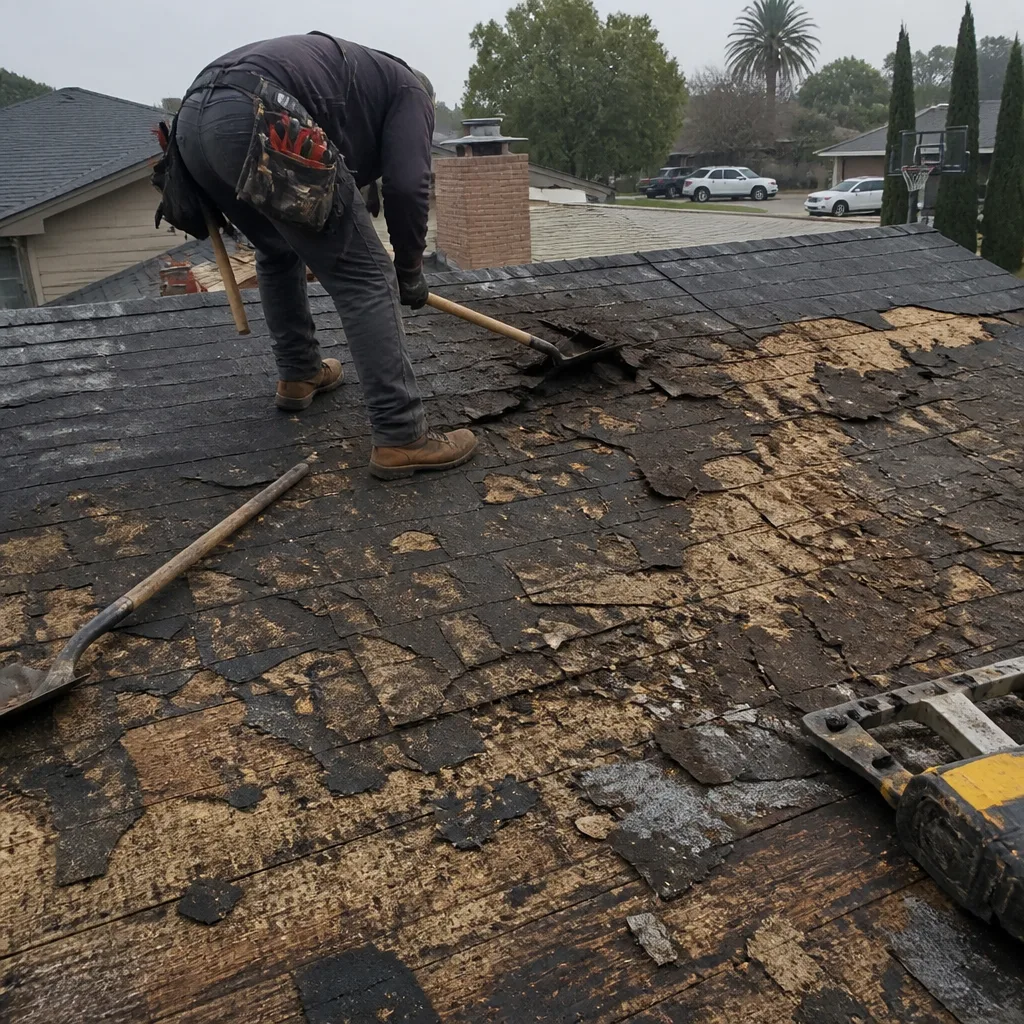 Before
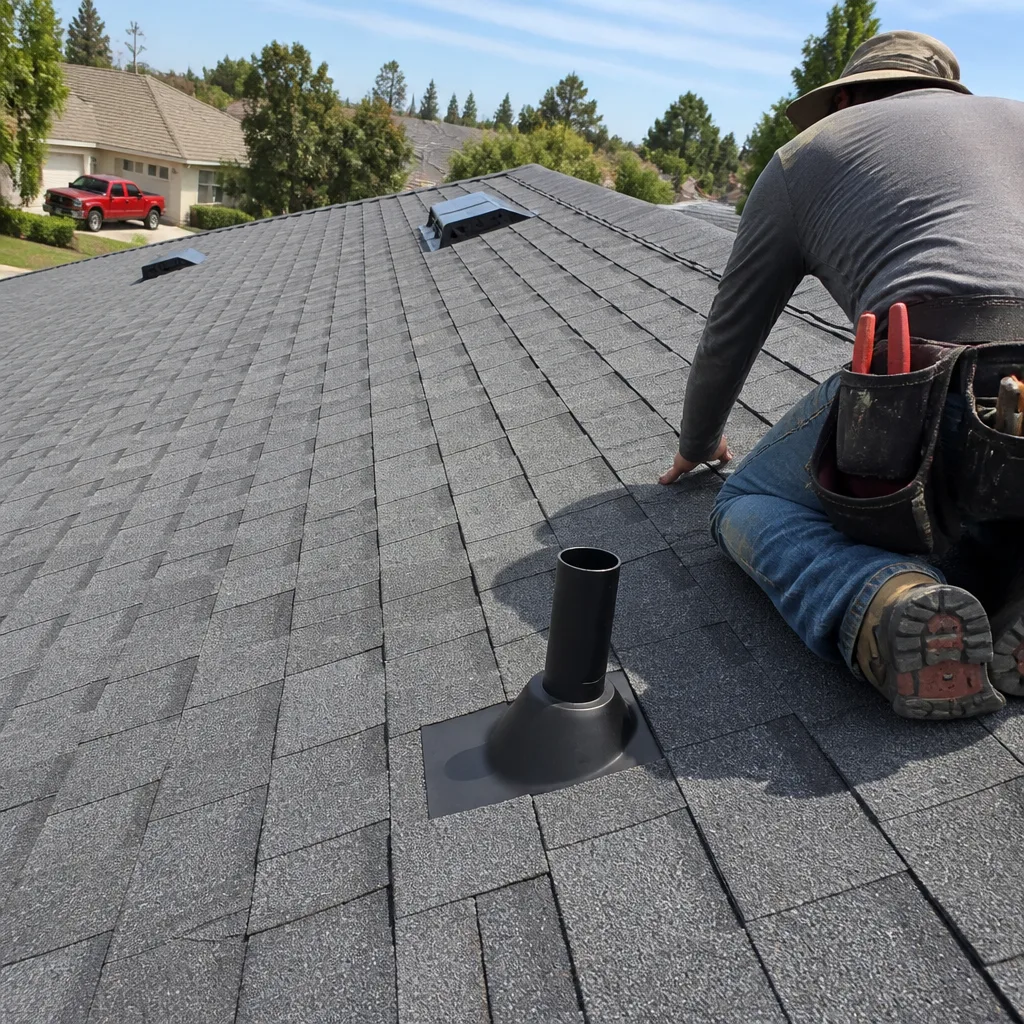 After
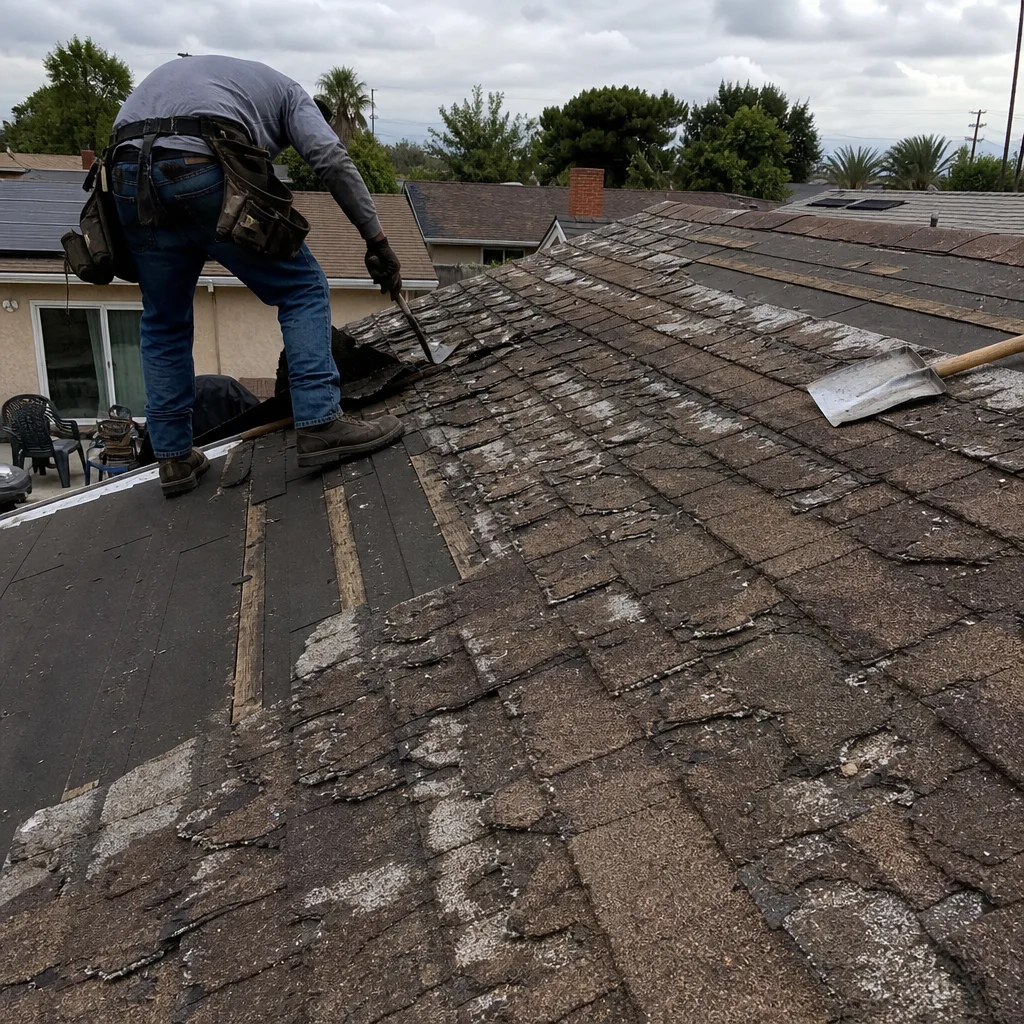 Before
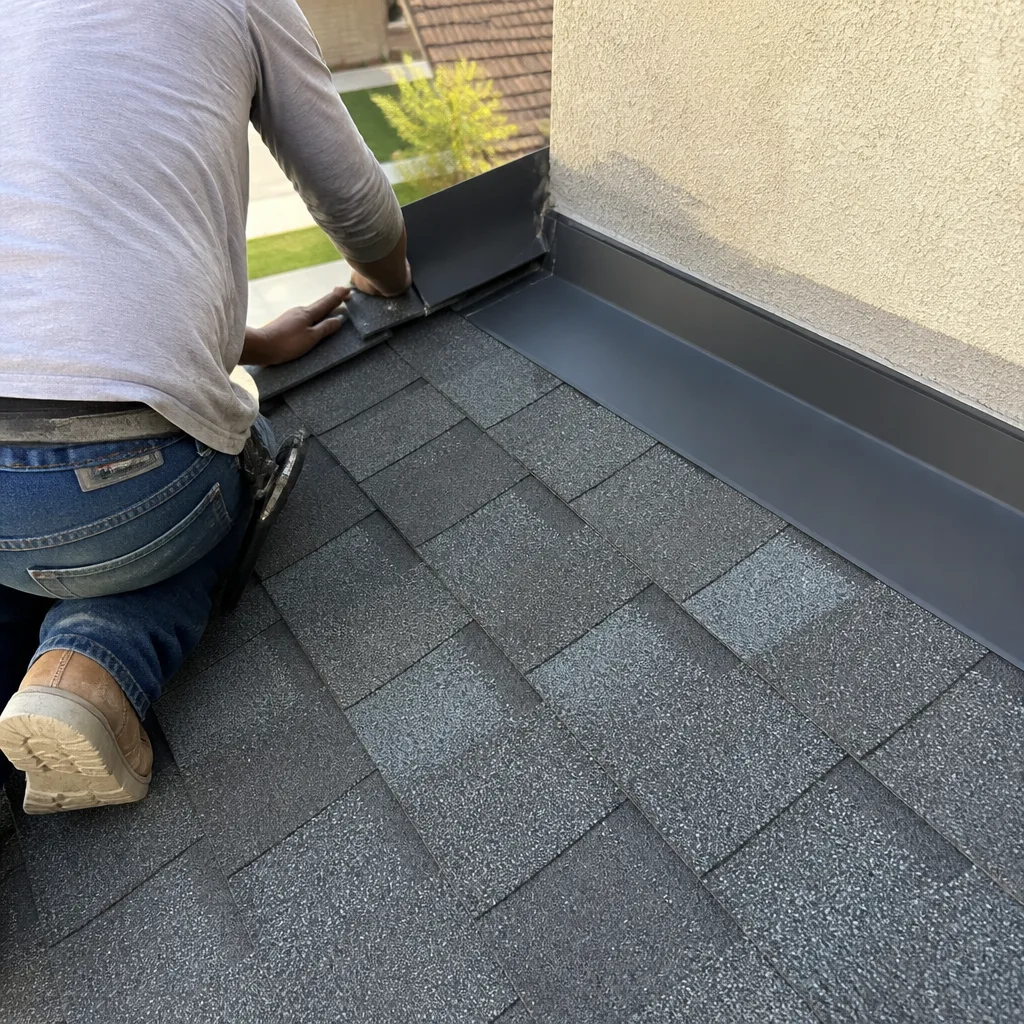 After
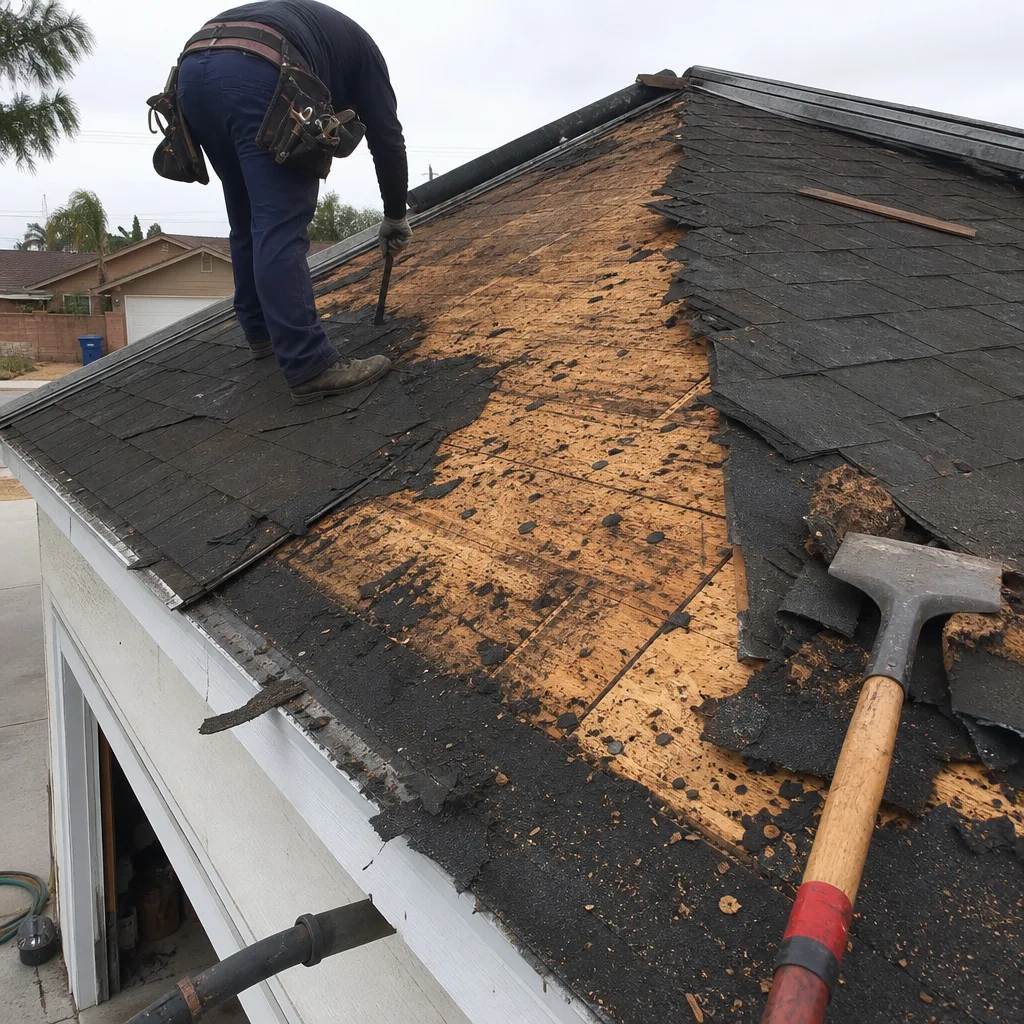 Before
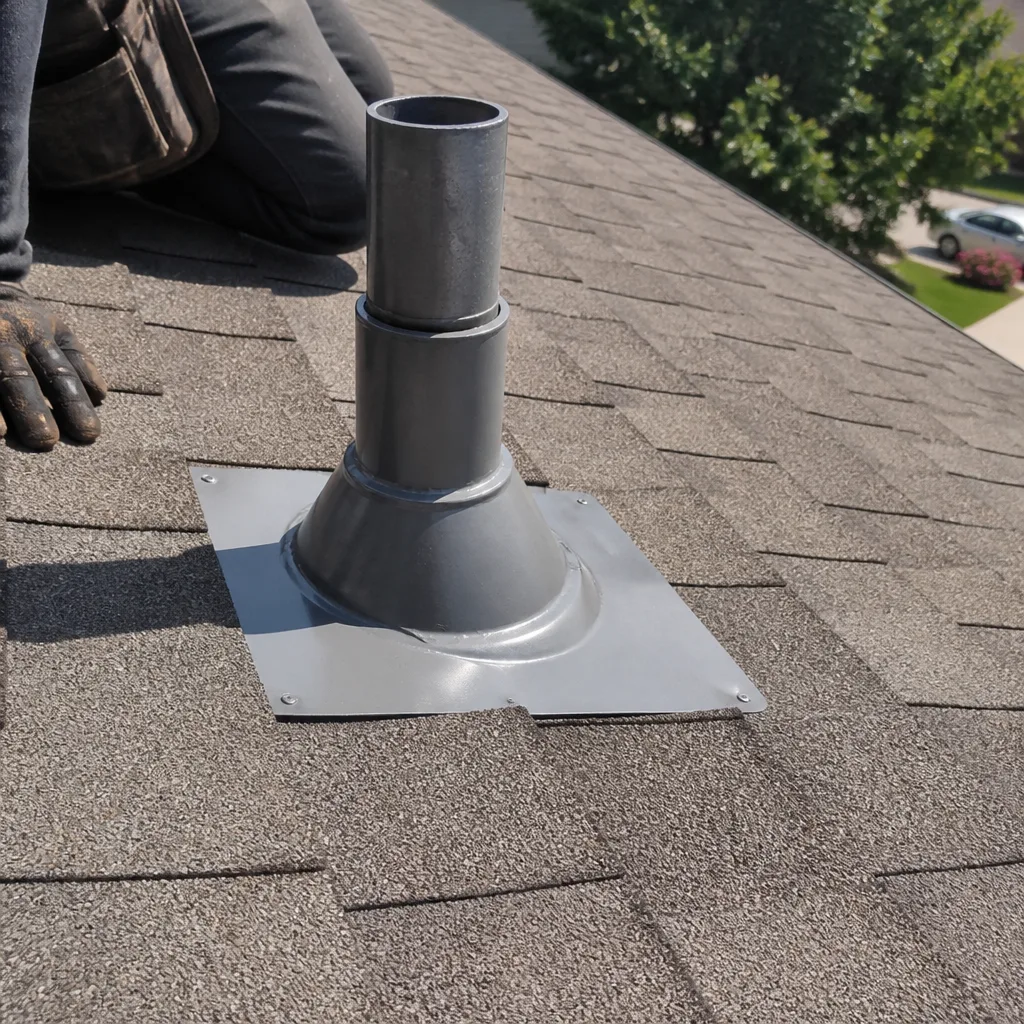 After