Last updated October 30, 2026
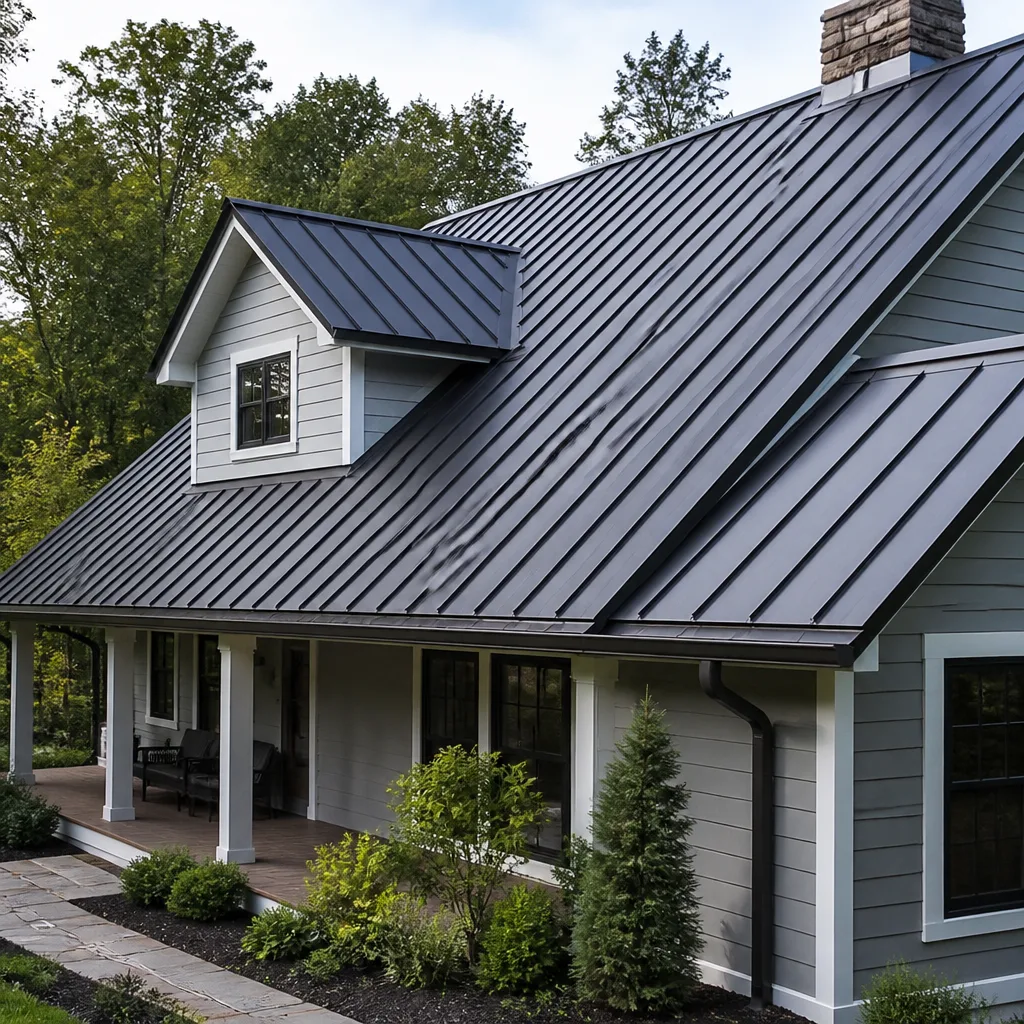 Metal roofing
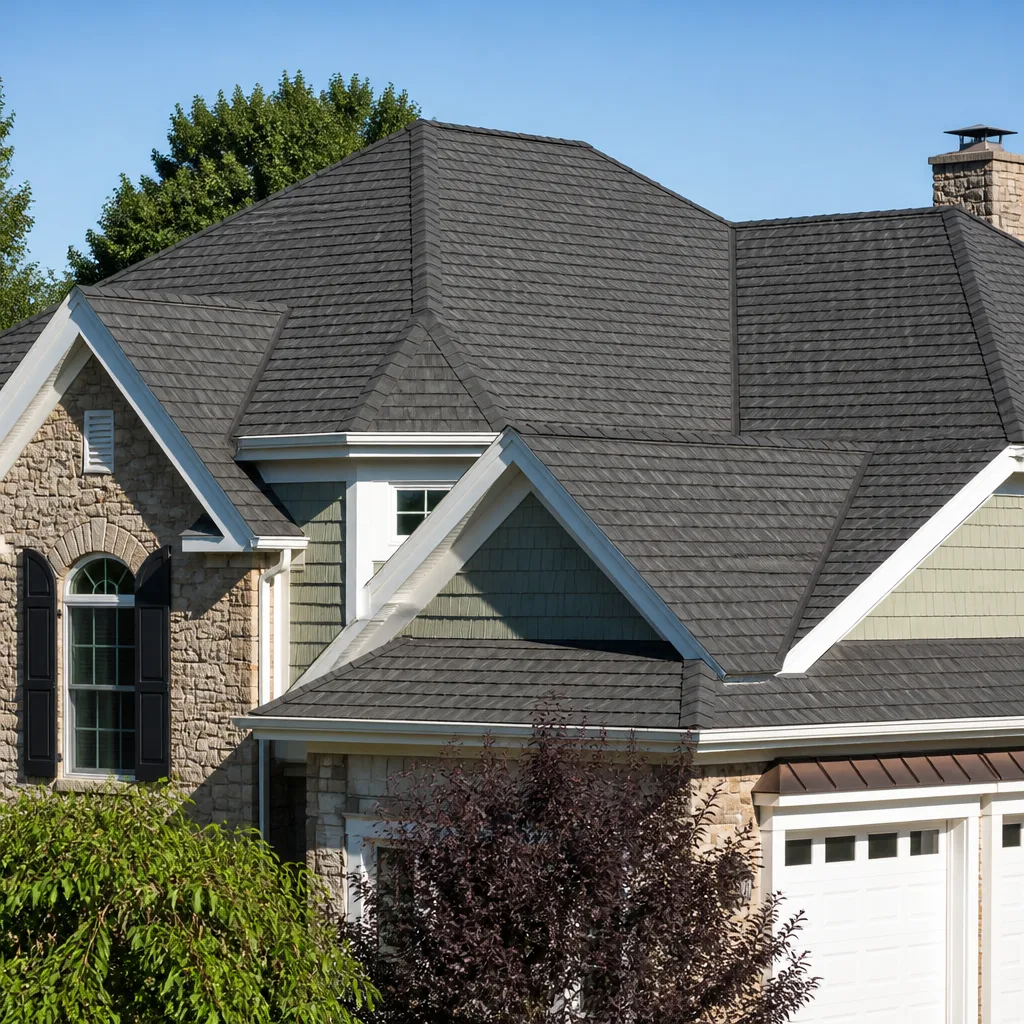
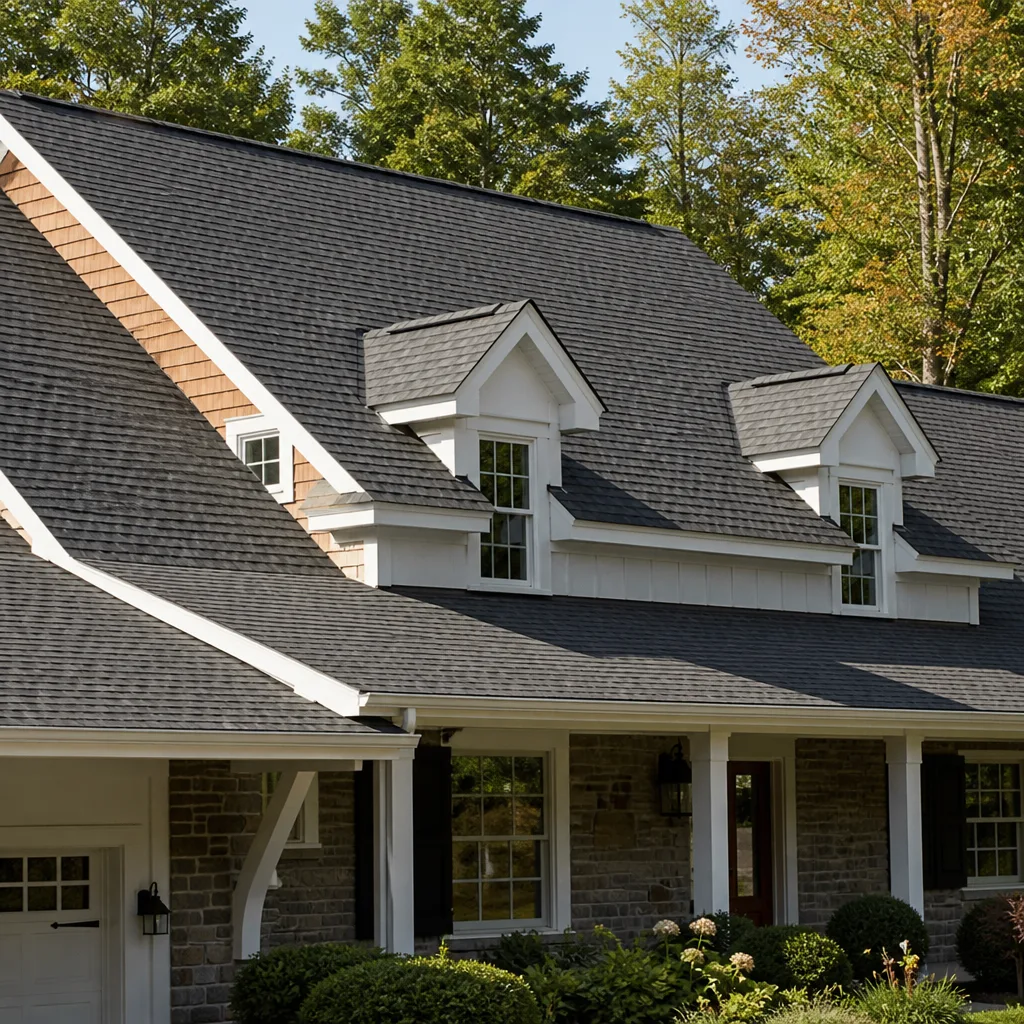 Architectural shingles
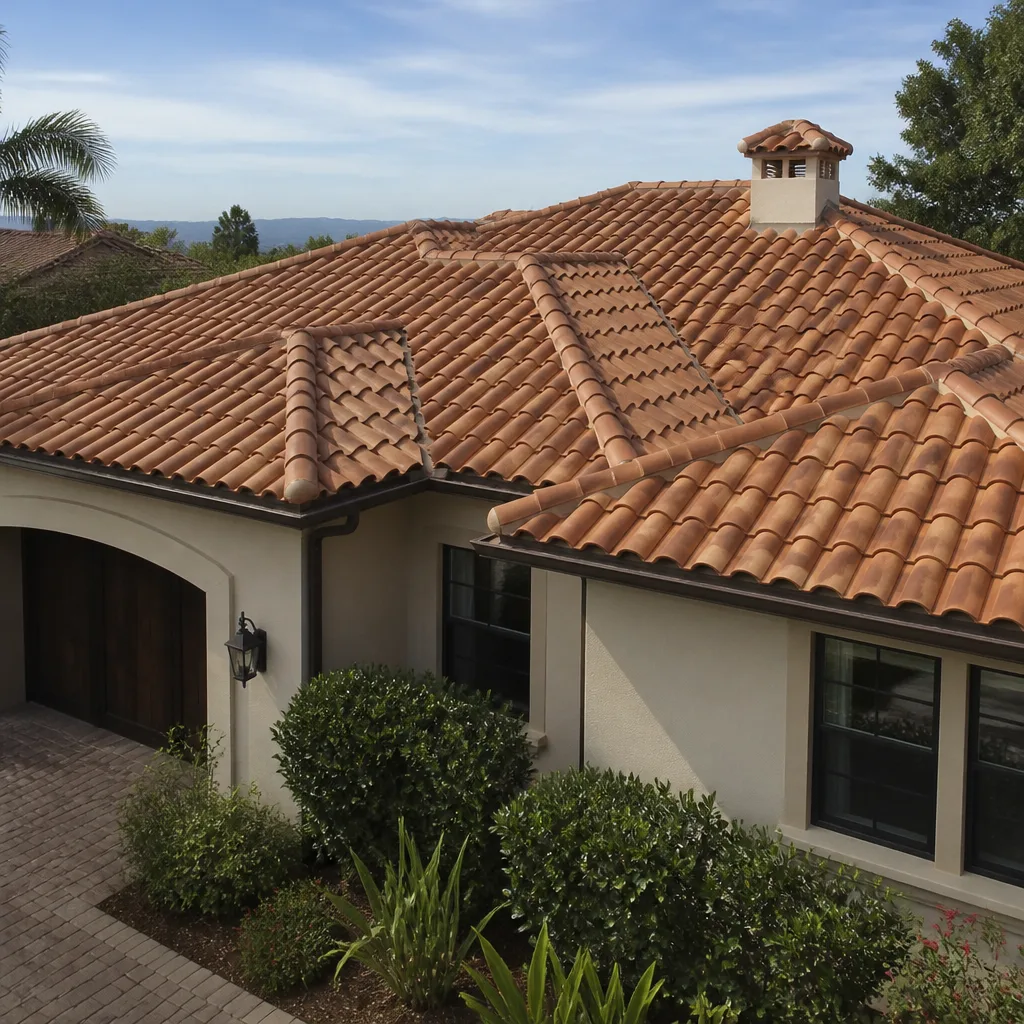 Tile roofing
 GAF
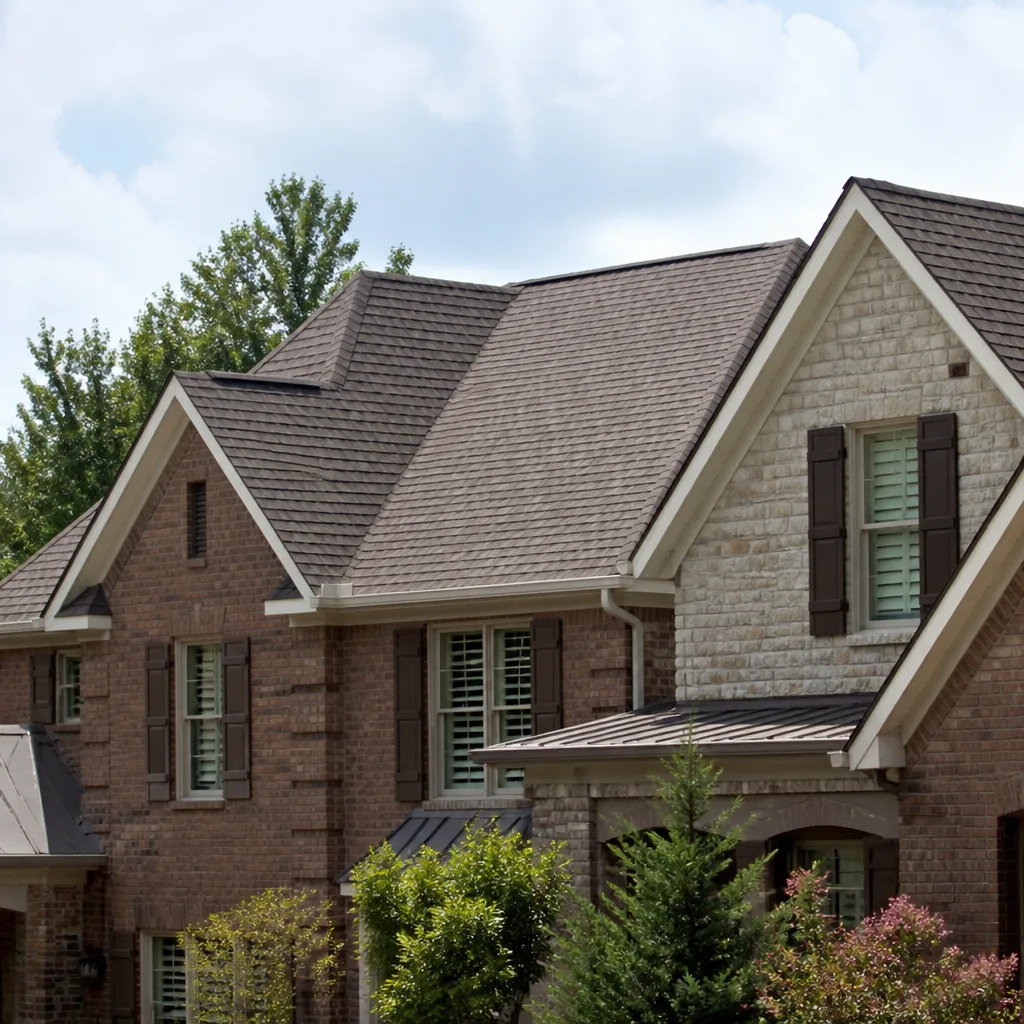 Owens Corning
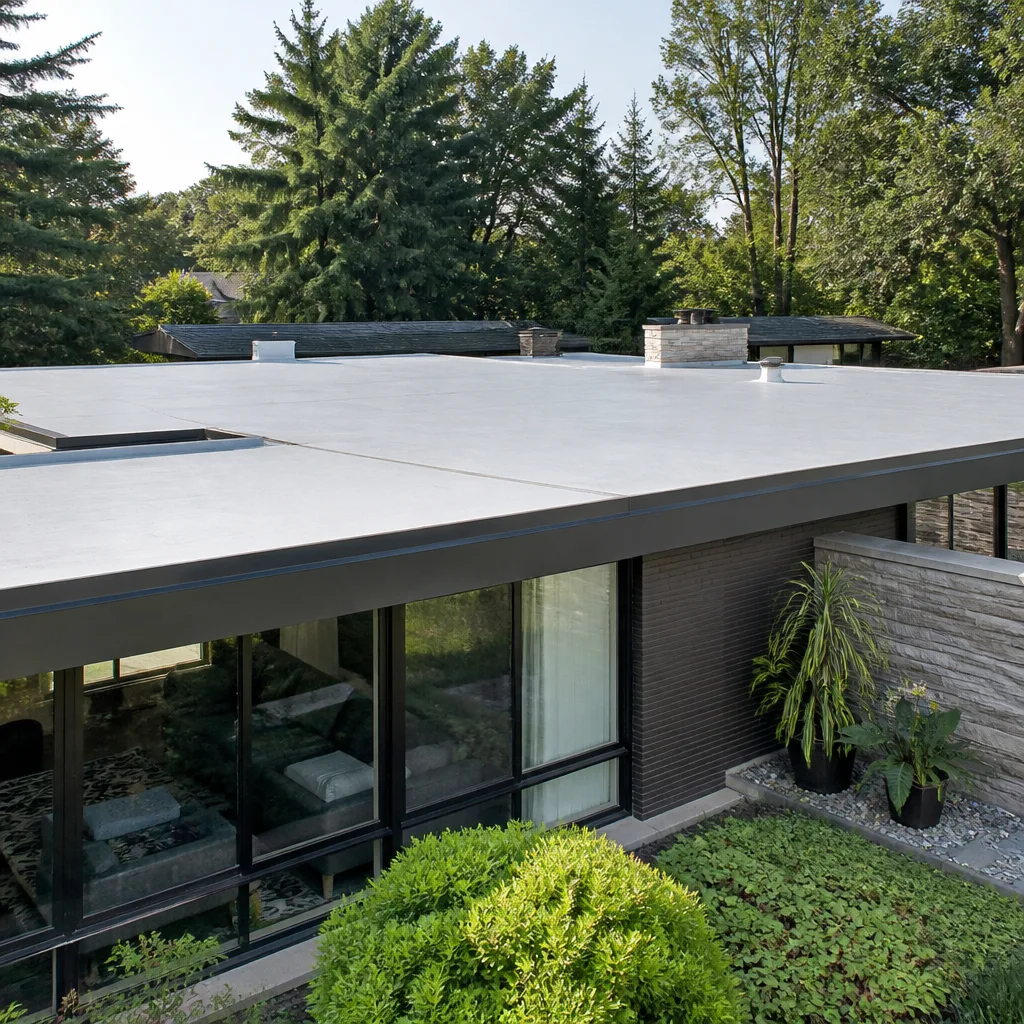 Flat & low-slope
Free roof inspection with deck photos before we talk money - GAF and Owens Corning certified installation
Choosing the Right Roofing Brand: A Buyer’s Guide for Ontario
Here’s a truth most roofing material marketing won’t tell you: the brand with the biggest billboard budget in California’s coastal cities often sits near the bottom of third-party UV degradation testing. That same brand gets specified constantly in Ontario because it carries the fattest contractor margin. We’re going to show you how to spot that game, how to read the actual performance data that matters for a roof that bakes under the Inland Empire sun, and how to pick a material that will still be doing its job in 2045. This guide is built for Ontario’s specific climate, not national brochures.
Styles & brands we work with
Quick Answer
The best roofing brand in Ontario isn’t a single name. It’s the brand whose shingle is engineered for sustained UV exposure, high thermal cycling, and occasional Santa Ana wind gusts, and installed by a contractor who isn’t incentivized to steer you toward one manufacturer’s product line. Owens Corning and Atlas both produce strong performers for Ontario’s heat profile, while IKO offers a value tier that holds up when installed correctly. The real decision is matching the brand’s performance tier to your budget, and working with a roofer who can source all of them.
Table of Contents
- The Ontario Climate Scorecard: What Actually Kills a Roof Here
- The Three Performance Metrics That Matter in Ontario
- Brand Tier Breakdown: Premium, Mid-Tier, and Budget Lines
- How to Read a Manufacturer Warranty for Ontario Conditions
- Contractor Incentive Programs: Why the Recommendation Isn’t Always the Best Brand
- Material-Agnostic Contractors vs. Single-Brand Dealers
- Side-by-Side: The Major Brands Scored for Ontario
- Installation Quality: The Factor That Outweighs Brand Name
- Common Mistakes to Avoid
- When to Call a Professional
- Frequently Asked Questions
- The Bottom Line
Before we get into brand names and spec sheets, let’s establish something: a roof in Ontario faces a different set of enemies than a roof in Seattle or Chicago. Manufacturers build product lines for national distribution. You need to know which lines were engineered, intentionally or not, for the Inland Empire’s reality. We inspect roofs across Ontario every week, and the failures we document cluster around the same three mechanisms. That’s where the brand comparison actually matters. If you’re already seeing warning signs, start with a thorough roof inspection in Ontario before you pick a brand.
The Ontario Climate Scorecard: What Actually Kills a Roof Here
Ontario sits in USDA Plant Hardiness Zone 9b and 10a. That means mild winters, brutal summers, and a whole lot of direct sun. Here’s what that does to a roof over a 20-year lifespan:
- Sustained UV degradation: Ontario averages about 280 sunny days per year. Ultraviolet radiation breaks down the asphalt compounds that make shingles flexible. Once the asphalt oxidizes, shingles become brittle, curl at the edges, and lose granules. This is the primary cause of roof failure in Ontario, far more than rain or wind.
- Thermal cycling: A roof surface in Ontario can swing from 40°F at night in December to 140°F on a summer afternoon. That’s a 100-degree daily temperature swing in some seasons. The shingle expands and contracts with each cycle. Over 15 years, that’s 5,400 expansion cycles. Brands with poor thermal tolerance develop stress cracks at the nail line and along valleys.
- Santa Ana wind events: Wind gusts in the Ontario area can reach 50-70 mph during fall Santa Ana events. Wind uplift rating, not brand logo recognition, is what determines whether your shingles stay nailed down during those events.
- Granule erosion from heat: When surface temperatures exceed 140°F, the bond between granules and the asphalt mat degrades faster. Lose enough granules and the shingle’s protective layer is gone. We’ve seen 20-year shingles in Ontario lose visible granule coverage in 12 years on south-facing slopes.
The Pacific Northwest darling brands, engineered for moisture resistance and moss growth, aren’t necessarily bad in Ontario. But their performance under sustained UV and thermal stress is the wrong metrics to evaluate them by. If your roof is already showing signs of granule loss or curling on the south slope, that’s a material problem, not an installation problem. It’s also the kind of thing we look for on every roof repair in Ontario call, because catching it early can extend the roof’s life by years.
The Three Performance Metrics That Matter in Ontario
Forget brand reputation and marketing copy. When you’re comparing roofing materials for a home in Ontario, these are the three numbers you want to look up on the manufacturer’s spec sheet:
1. Solar Reflectance Index (SRI)
SRI measures how well a material reflects solar heat. This is huge in Ontario, where summer attic temperatures can hit 150°F if the roof absorbs too much heat. A higher SRI means less heat transferred into your home, lower cooling bills, and less thermal stress on the shingle itself. Owens Corning’s “Cool Roof” collection offers SRI values up to 29 on certain colorways, which is above the California Title 24 minimum for steep-slope residential. Atlas Pinnacle and CertainTeed Landmark both offer energy-efficient shingle options that meet California’s Title 24 requirements. This isn’t a marketing gimmick. In Ontario, in July, SRI is the difference between an attic that stays at 120°F and one that bakes at 150°F.
2. Wind Uplift Rating (ASTM D7158)
Wind uplift rating measures how resistant a shingle is to being lifted off the roof deck during high wind events. The rating uses a letter scale from Class A to Class H, with H being the strongest. For Ontario’s Santa Ana season, you want at least Class H (150 mph) or Class G (120 mph) if you’re on a standard lot. Most modern architectural shingles from Atlas, Owens Corning, and CertainTeed carry Class H ratings when installed with the manufacturer’s recommended number of nails. IKO’s Cambridge line also carries Class H. If a brand can’t state its wind rating clearly, that’s a red flag.
3. Thermal Expansion Tolerance
This one is less standardized but just as important. Asphalt shingles expand and contract with temperature. Brands that use a fiberglass mat with higher tensile strength resist cracking during thermal cycling. Atlas uses a proprietary “3M Scotchgard” granule bonding process that resists granule loss from heat exposure. CertainTeed’s “StreakFighter” algae resistance is nice for humidity, but the real Ontario metric is granule bond strength under UV. Heat-resistant granule coatings and high-tensile fiberglass mats are what separate brands that hold up in Ontario from brands that don’t.
- Look up the SRI value for the specific colorway you want, not just the product line.
- Verify the wind uplift class on the manufacturer’s technical data sheet.
- Ask the contractor which brands use high-tensile fiberglass mats versus lower-grade mats. This is a legitimate technical question that a real roofer can answer.
If you’re comparing quotes and one brand stacks up better on these three metrics, that brand is the better choice for Ontario regardless of what the other contractor’s sales pitch says. If you’re already looking at a full replacement, our roof replacement in Ontario guide walks through the planning process step by step.
Brand Tier Breakdown: Premium, Mid-Tier, and Budget Lines
Every major roofing manufacturer builds multiple product lines across different price points. The brand name on the wrapper doesn’t tell you which tier you’re actually buying. Here’s how the tiers break down for Ontario homeowners:
Premium Tier (Lifetime Warranty, Best Material Specs)
- Owens Corning Duration and Duration Designer: The company’s flagship architectural line. Thick, heavy shingles with a woven appearance. High wind ratings. Excellent granule retention. The “SureNail” nailing strip is a genuine design improvement that reduces blow-off risk during Santa Anas. In our experience, Duration is one of the most consistent performers on Ontario roofs after 10+ years.
- CertainTeed Landmark and Landmark Pro: Solid fiberglass mat, good SRI options, excellent warranty structure when installed by a CertainTeed “ShingleMaster” contractor. Landmark Pro is heavier and more dimensionally stable than the standard Landmark.
Mid-Tier (Good Performance, Better Pricing)
- Atlas Pinnacle and Pinnacle Impact: Pinnacle is Atlas’s higher-end architectural shingle with strong specs. Atlas also makes “StormMaster” lines rated for wind and impact. Good value for the performance. The company’s “HP42” technology is worth a look for granule retention.
- IKO Cambridge: IKO’s flagship architectural shingle. Solid performance, slightly lower cost than Owens Corning or CertainTeed. We’ve seen good lifespan from Cambridge in Ontario, though granule loss can appear sooner on south-facing slopes compared to the premium tier. If budget is the constraint, Cambridge is a defensible choice.
Budget Tier (Three-Tab Equivalents, Shorter Real-World Lifespan)
- Most manufacturers produce a three-tab or entry-level architectural shingle. These cost less upfront but rarely last beyond 15 years in Ontario’s UV environment. The math rarely works: you’ll replace a budget roof about the same time you’re halfway through a premium roof’s lifespan. For a home you plan to own for 10+ years, the premium tier is cheaper on an amortized basis.
The brand decision matters less than the tier decision. A mid-tier shingle from IKO, installed correctly, will outperform a premium shingle from any brand that’s been poorly installed. But if you’re comparing across tiers within the same brand, the premium line is almost always the better Ontario buy because it’s specifically engineered to resist UV and thermal cycling for longer.
How to Read a Manufacturer Warranty for Ontario Conditions
Manufacturer warranties are written by lawyers, not roofers. The language is precise, and if you don’t read the fine print, you’ll think you’re covered for things you aren’t. Here’s how to read one for a home in Ontario:
- Separate the “lifetime” from the “limited”: Every asphalt shingle warranty is a “limited” warranty. “Lifetime” usually means the manufacturer will cover defects for as long as you own the home, but coverage is prorated heavily after the first 10 years. In year 20, a “lifetime” warranty might cover 20% of the material cost, and nothing for labor.
- Check the labor coverage period: Labor is often covered for a much shorter window, sometimes only 2-5 years, and only if the contractor is certified by the manufacturer. After that, you’re paying for the labor on warranty work out of pocket. CertainTeed offers strong labor coverage through their “ShingleMaster” program. Owens Corning has similar benefits through “Owens Corning Roofing Platinum” contractors.
- Look for what voids coverage in Ontario specifically: Many warranties are voided by inadequate attic ventilation. Ontario’s heat makes ventilation critical, and many older homes in this area are under-ventilated. If your roofer doesn’t address ventilation and the manufacturer later cites it as a defect cause, you’re unprotected. We flag this on every roof inspection in Ontario, because it’s the single most common warranty void we see.
- Transferability matters for resale: If you’re planning to sell in 5 years, a non-transferable warranty is worthless to the next owner. Look for “transferable one time” language. Most premium tiers include one-time transferability.
- Wind speed coverage is separate: Warranties often have a wind coverage limit that’s lower than the shingle’s wind uplift rating. A shingle may be rated for 130 mph uplift, but the warranty only covers blow-off up to 80 mph unless you buy the upgraded wind warranty.
The warranty is a document we read carefully with homeowners before any roof replacement in Ontario begins. The manufacturer’s brand name on the warranty cover doesn’t mean much unless the underlying terms actually protect you in this climate.
Contractor Incentive Programs: Why the Recommendation Isn’t Always the Best Brand
Here’s the part of the roofing industry nobody talks about on the sales call. Manufacturers run incentive programs for contractors. They offer rebates, volume discounts, marketing funds, and priority lead referrals in exchange for pushing their product line. The contractor who “really recommends” CertainTeed isn’t necessarily recommending it because certain Teed is the best shingle for your Ontario roof. They’re recommending it because they’re a “ShingleMaster” who gets better pricing, which means better margins on every job.
This isn’t illegal. It isn’t even unethical in most cases. But it means that many of the brand recommendations Ontario homeowners receive are influenced by the contractor’s supplier relationship, not by the home’s actual needs. A single-brand contractor, or one who’s heavily committed to one manufacturer, will always steer you toward that brand. They have to. They don’t have access to the other brands, and their margins depend on selling what they stock.
The tell is subtle but consistent. When a contractor starts framing the recommendation around “we trust this brand” or “this is what we’ve always installed,” that’s often code for “this is the brand that makes us the most money.” A contractor who works with multiple brands can frame the recommendation around your roof’s slope direction, your attic ventilation, your budget, and the specific performance metric that matters for your home. In Ontario, where south-facing slopes cook while north-facing slopes age more slowly, that kind of nuance matters.
Material-Agnostic Contractors vs. Single-Brand Dealers
Hawk Roof Repair works with seven leading shingle brands, including GAF, CertainTeed, Owens Corning, IKO, Atlas, Tamko, and Boral. That’s not a marketing bullet point. It’s a structural difference in how we approach a replacement. When you call a single-brand dealer, their only job is to convince you that their brand is right for your home, regardless of whether that’s actually true. When you call us, the question is different: which brand, across seven major product lines, actually fits your roof?
That changes the conversation. It changes the questions we ask. Is your south-facing slope the priority? Then we look at Atlas for granule retention. Is your home on a hill with heavy wind exposure? Owens Corning’s SureNail strip might be the better spec. Is budget the controlling variable? IKO Cambridge holds up in Ontario’s climate at a lower price point. The material decision comes from your roof, not from our supplier relationship.
This also matters when you’re comparing bids. If you get three quotes from three single-brand dealers, you’re not comparing shingles. You’re comparing which contractor is better at selling their manufacturer’s pitch. Our approach, inspecting first and documenting findings before discussing material selection, is deliberately designed to remove the upsell from the ladder. The Hawk Roof Repair home page describes this in more detail.
Side-by-Side: The Major Brands Scored for Ontario
Let’s put numbers on this. The table below scores the major brands against the three Ontario-specific metrics we covered earlier. These are general scores based on published spec sheets and our field observations in Ontario, not a laboratory test. Use them as a starting point for your own research:
- Owens Corning Duration: SRI: Strong (Cool Roof options available). Wind: Class H (150 mph). Thermal/Granule: Very strong (SureNail strip, heavy granule embedment). Best for: Homeowners who want top-tier performance and are willing to pay for it. Over 10 years on Ontario roofs, we see fewer granule-loss issues with Duration than with most competitors.
- CertainTeed Landmark Pro: SRI: Strong (Landmark Solaris line meets Title 24). Wind: Class H. Thermal/Granule: Strong. Best for: Homes where warranty terms and transferability matter as much as raw material specs. CertainTeed’s warranty through ShingleMaster contractors is among the best in the industry.
- Atlas Pinnacle: SRI: Moderate to strong (Pinnacle Sun line available). Wind: Class H. Thermal/Granule: Strong (3M granule bonding process). Best for: Homes with high sun exposure where granule loss is the primary concern. Atlas’s heat-focused engineering is a genuine differentiator for Ontario’s UV load.
- IKO Cambridge: SRI: Moderate. Wind: Class H. Thermal/Granule: Moderate. Best for: Budget-conscious homeowners who still want a legitimate architectural shingle. We see good lifespan from Cambridge, though granule loss on extreme south slopes can appear earlier than with premium lines.
One caveat: even the best-scored brand will fail early if the installation is sloppy. The material is only half the equation. The installation details, nailing pattern, underlayment, ventilation, and flashing are the other half, and they’re entirely in the contractor’s hands. That’s the next section.
Installation Quality: The Factor That Outweighs Brand Name
Ask any roofing inspector in Ontario what causes premature roof failure, and they’ll tell you the same thing we see every week: installation errors. A premium shingle nailed high, under-driven, or installed over a failing underlayment will underperform a budget shingle installed to spec. The manufacturer’s warranty covers material defects, not contractor mistakes, and the manufacturer will deny a claim in a heartbeat if they find the installation didn’t meet the spec.
The installation details that matter most in Ontario are:
- Nailing pattern: Six nails per shingle on standard slopes, going to the manufacturer’s high-wind pattern in exposed areas. Under-nailing is the single most common installation defect we find during repairs.
- Underlayment condition: The underlayment is your roof’s second line of defense. In Ontario’s heat, old felt paper degrades quickly. We recommend synthetic underlayment for most replacements, especially under premium shingles.
- Attic ventilation: This is where Ontario’s climate bites hardest. An under-ventilated attic bakes the shingles from below, accelerating granule loss and shortening lifespan. A proper vent calculation is part of every roof replacement in Ontario we do, not an upgrade.
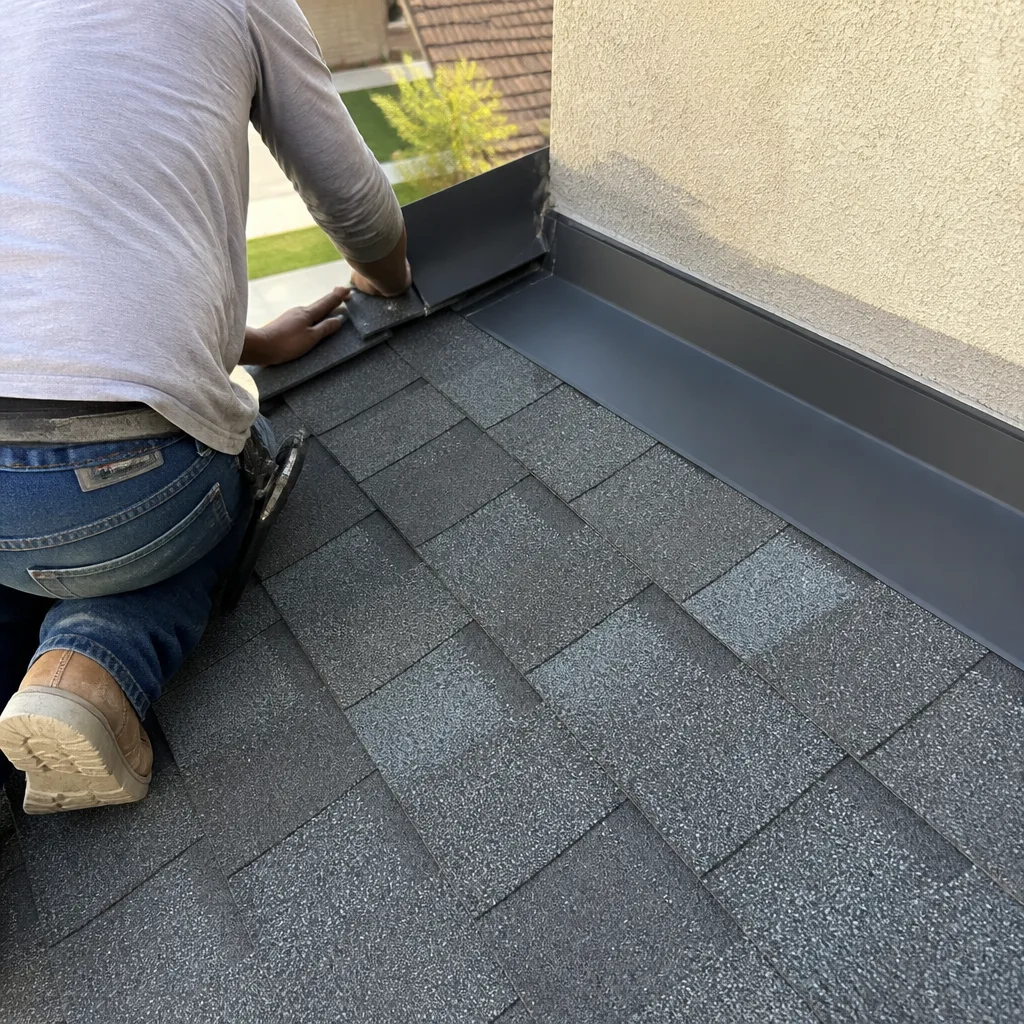
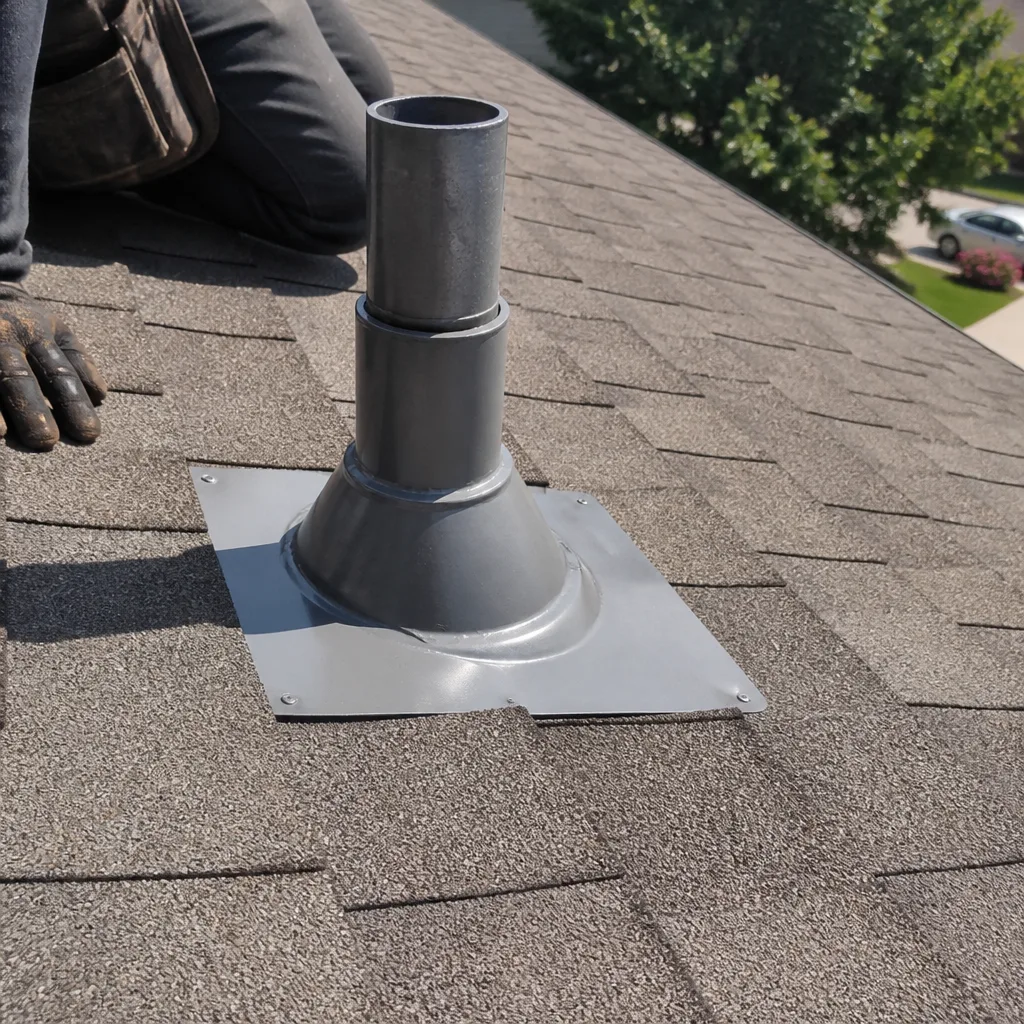
- Flashing details: Lifted flashing at valleys, chimneys, and pipes is the leading cause of roof leaks in Ontario. This is where hawk-eye detail matters most. The difference between a roof that leaks in year 5 and a roof that stays dry for 30 years is often a few inches of correctly lapped flashing.
This is also why our inspection service exists as a standalone offering. We document the condition of the existing roof before we ever discuss replacement. If you’re looking at a roof repair in Ontario, you should know whether you’re fixing the root cause or buying a few more years. The answer usually comes down to installation quality, not brand failure.
Common Mistakes to Avoid
- Choosing by brand logo instead of spec sheet: The brand that advertises most heavily isn’t the brand that performs best in Ontario’s heat. Look at SRI, wind rating, and granule retention data, not billboard presence.
- Ignoring the warranty’s fine print: A “lifetime” warranty that covers 10% of material cost in year 15 and zero labor isn’t the protection you think it is. Read the prorating schedule and labor coverage before you sign.
- Accepting the contractor’s brand pitch without asking why: “We recommend this brand” is not a reason. Ask what specific performance metric makes that brand the right choice for your roof’s exposure, your attic ventilation, and your budget.
- Under-buying the shingle tier to save money upfront: The $800 difference between a mid-tier and premium shingle on an average Ontario home amortizes to about $40 per year over a 20-year lifespan. That’s less than the cost of one service call for a roof repair.
- Skipping the ventilation upgrade: Ontario’s heat demands proper attic ventilation. Installing premium shingles over inadequate ventilation is like putting racing tires on a car with bad suspension. The tire warranty won’t cover the blowout.
- Not getting a documented inspection before the estimate: Any contractor who’s ready to quote a replacement without first documenting the roof’s actual condition is selling you a product, not a solution. Insist on an inspection report.
- Assuming the lowest bid uses the same quality of materials and installation: A cheaper bid almost always cuts something, and in roofing, what gets cut is often the things you can’t see: underlayment quality, nail count, ventilation work. Get line-item quotes and compare them line by line.
When to Call a Professional
Some roofing questions you can research on your own. Checking brand spec sheets, reading warranty terms, comparing SRI values, those are all things a diligent homeowner can do. But when you’re seeing active signs of roof distress, a stain on the ceiling, granule buildup in the gutters, shingles lifting after a wind event, a professional inspection is not optional. These are the early warning signs of a roof that’s failing, and in Ontario’s heat, the timeline from first warning to interior damage is measured in months, not years. A documented inspection gives you the line-item data you need to decide between repair and replacement, and to compare material options fairly. Hawk Roof Repair offers free estimates in Ontario, call (877) 731-1384. If you’re seeing warning signs, the inspection is where every smart roof decision starts.
Frequently Asked Questions
The best roofing brand for Ontario’s hot climate is one whose shingle is engineered for sustained UV exposure and high thermal cycling, with a solar reflectance index that meets California Title 24 standards. Owens Corning Duration and Atlas Pinnacle both perform strongly in Ontario conditions, with CertainTeed Landmark Pro close behind. The right brand for your home depends on your roof’s exposure, ventilation, and budget. Call (877) 731-1384 for a free estimate and we’ll walk the options through with you.
A new architectural shingle roof in Ontario typically costs between $18,000 and $35,000 for an average single-family home, depending on the square footage, roof complexity, material tier, and ventilation work required. The spread is driven mostly by material tier and installation scope, not by contractor markup voodoo. Get line-item quotes and compare them line by line, not bottom-line to bottom-line. Call (877) 731-1384 for a written estimate that breaks down materials, labor, and scope.
Yes, a premium brand with a transferable warranty can modestly increase resale appeal in Ontario, because the next homeowner inherits both the remaining material coverage and the track record of the installed product. Transferable warranties from CertainTeed and Owens Corning are most valuable when you plan to sell within 10 years. The biggest resale factor is a roof that’s under 10 years old and passes inspection.
Yes, because we work with seven brands, including GAF, CertainTeed, Owens Corning, IKO, Atlas, Tamko, and Boral, we can match an existing roof’s aesthetic far more precisely than a single-brand contractor. That means the new roof won’t stand out from your Ontario neighborhood’s look. The material can be matched to the existing color profile, shingle profile, and texture without defaulting to one product line.
Yes, the city of Ontario requires a permit for roof replacements, and we handle the permit application, inspection coordination, and final sign-off. The permit is the homeowner’s protection, it guarantees the work is done to current building code and it creates a paper trail for any future warranty or insurance claim. Any contractor who tells you a permit isn’t needed is not someone you want on your roof.
With correct installation, proper attic ventilation, and a premium architectural shingle, a new roof in Ontario can last 25-30 years. Budget three-tab shingles often fail in 12-15 years due to granule loss and thermal cracking. The lifespan gap between premium and budget tiers widens in hot climates, which is why the upfront cost difference usually pays for itself. Call (877) 731-1384 to get a roof assessment and a realistic lifespan estimate for your specific situation.
The Bottom Line
The best roofing brand in Ontario is not the one with the biggest national marketing budget. It’s the brand whose shingle holds up to sustained UV radiation, 100-degree thermal swings, and Santa Ana wind events, backed by a warranty that actually pays out when something fails. That points to premium-tier products from Owens Corning, CertainTeed, and Atlas, with IKO as a legitimate value option. But even the best shingle fails early if it’s nailed high, under-ventilated, or installed over failing underlayment. The brand decision and the installer decision are the same decision. Choose a contractor who can source any brand and will show you the spec sheet for each option, then inspect first, and choose based on documented findings, not a ladder-top sales pitch.
Written by the team at Hawk Roof Repair, serving Ontario since 2017.
See the difference
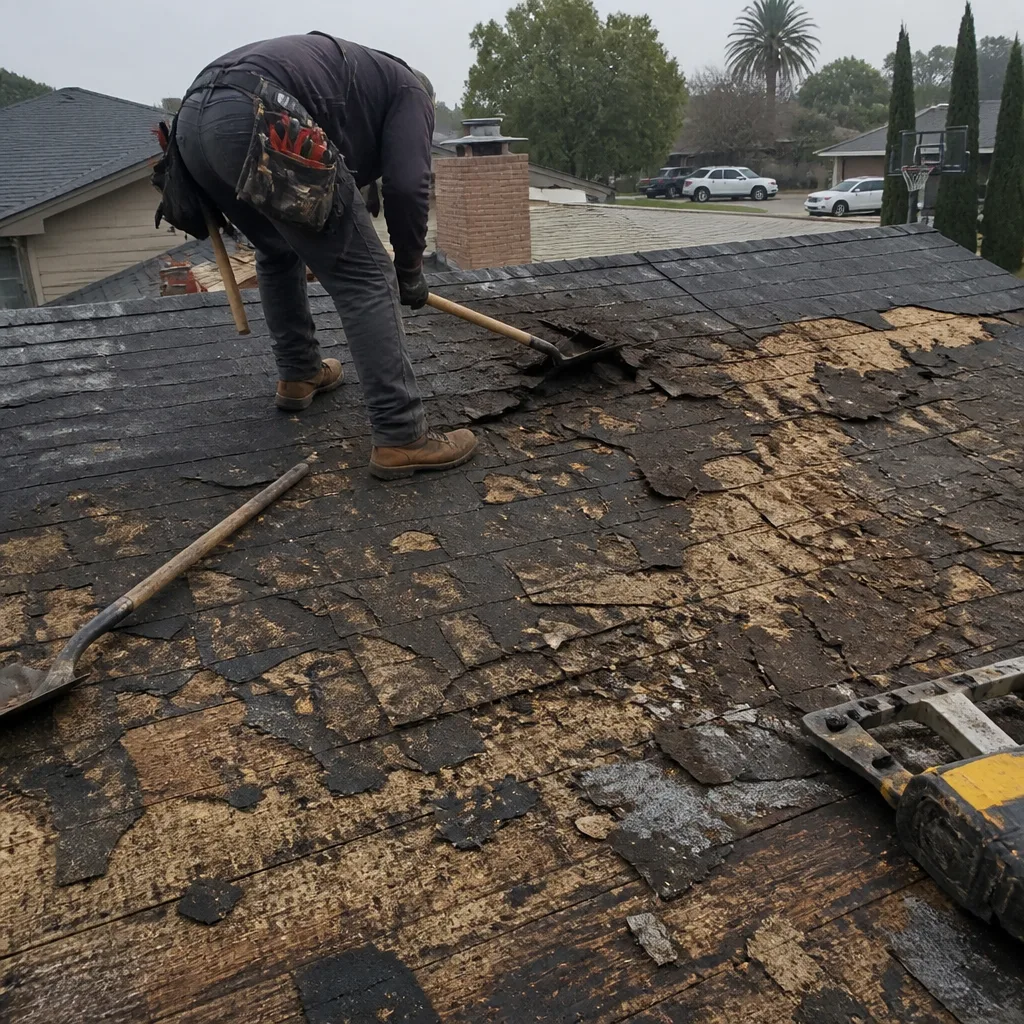 Before
 After
 Before
 After
 Before
 After