
Last updated October 30, 2026
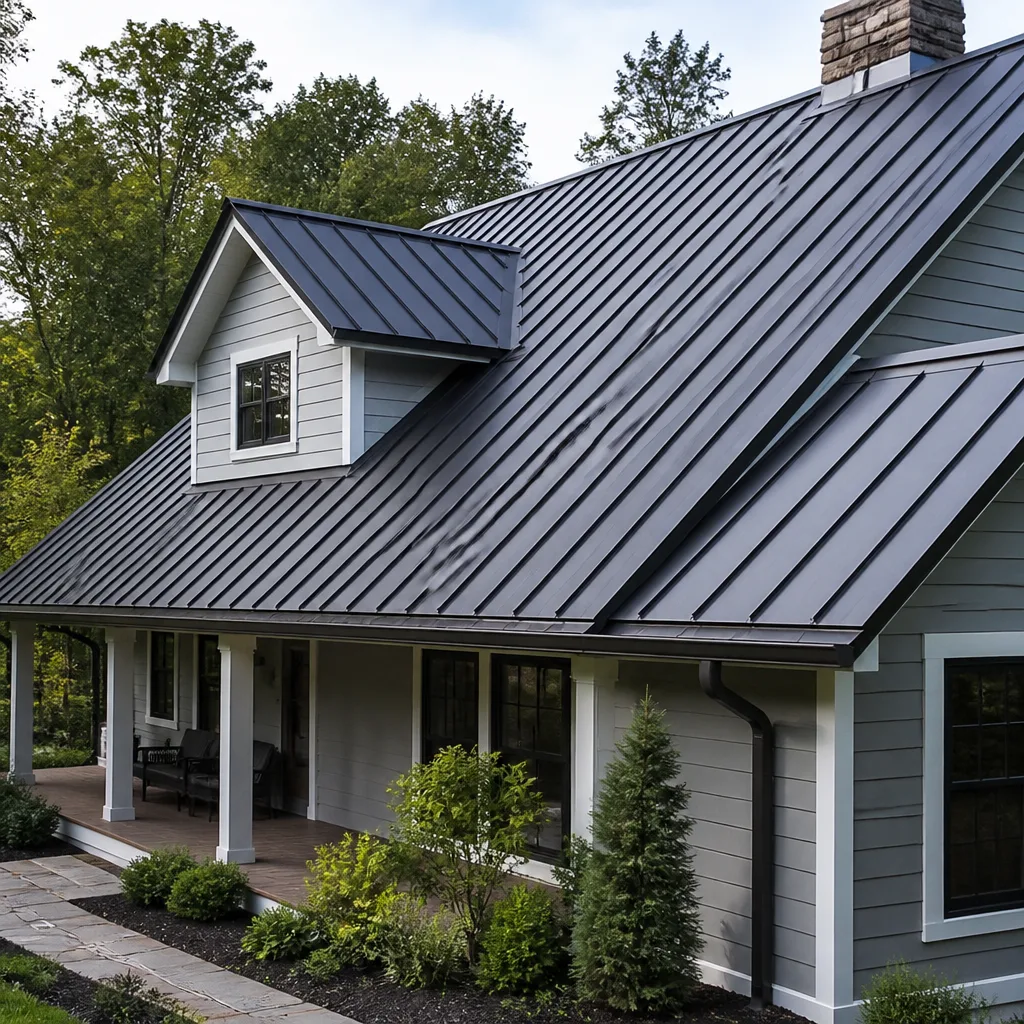 Metal roofing
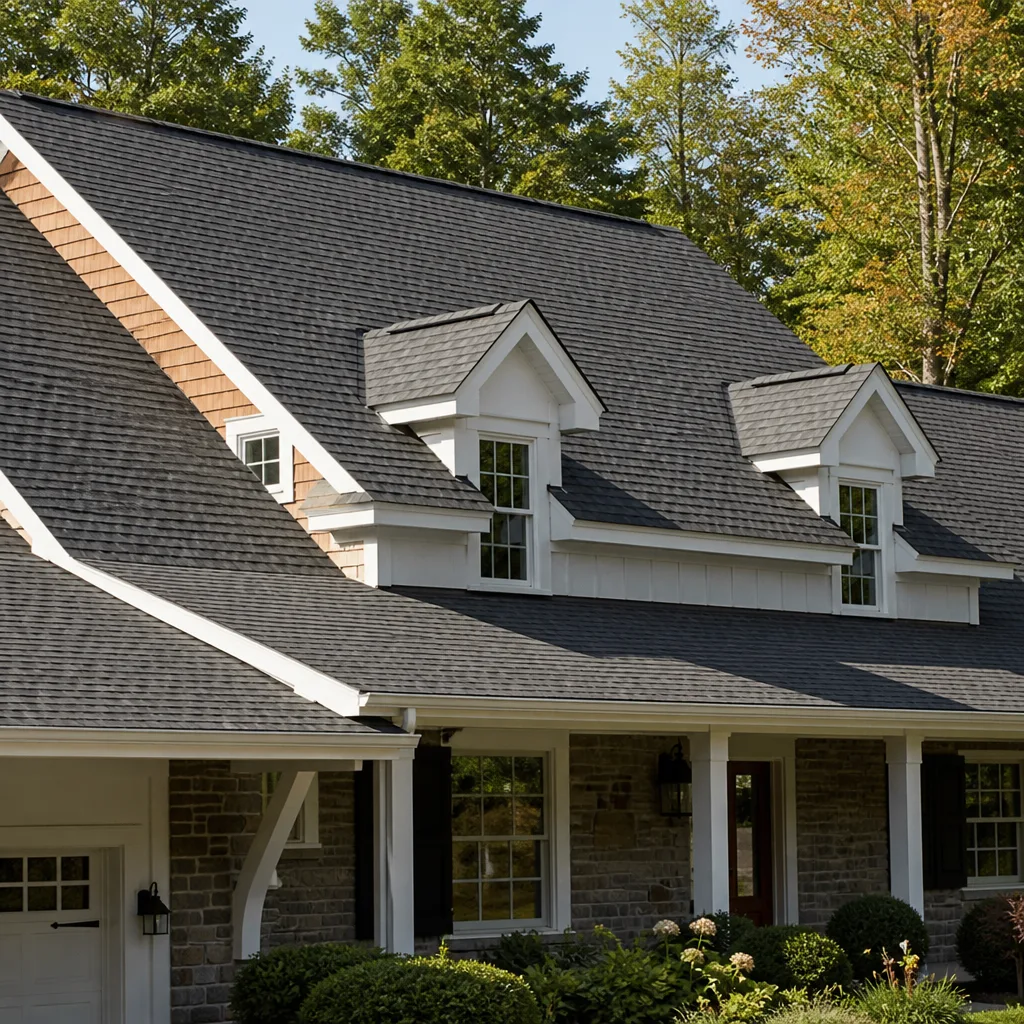 Architectural shingles
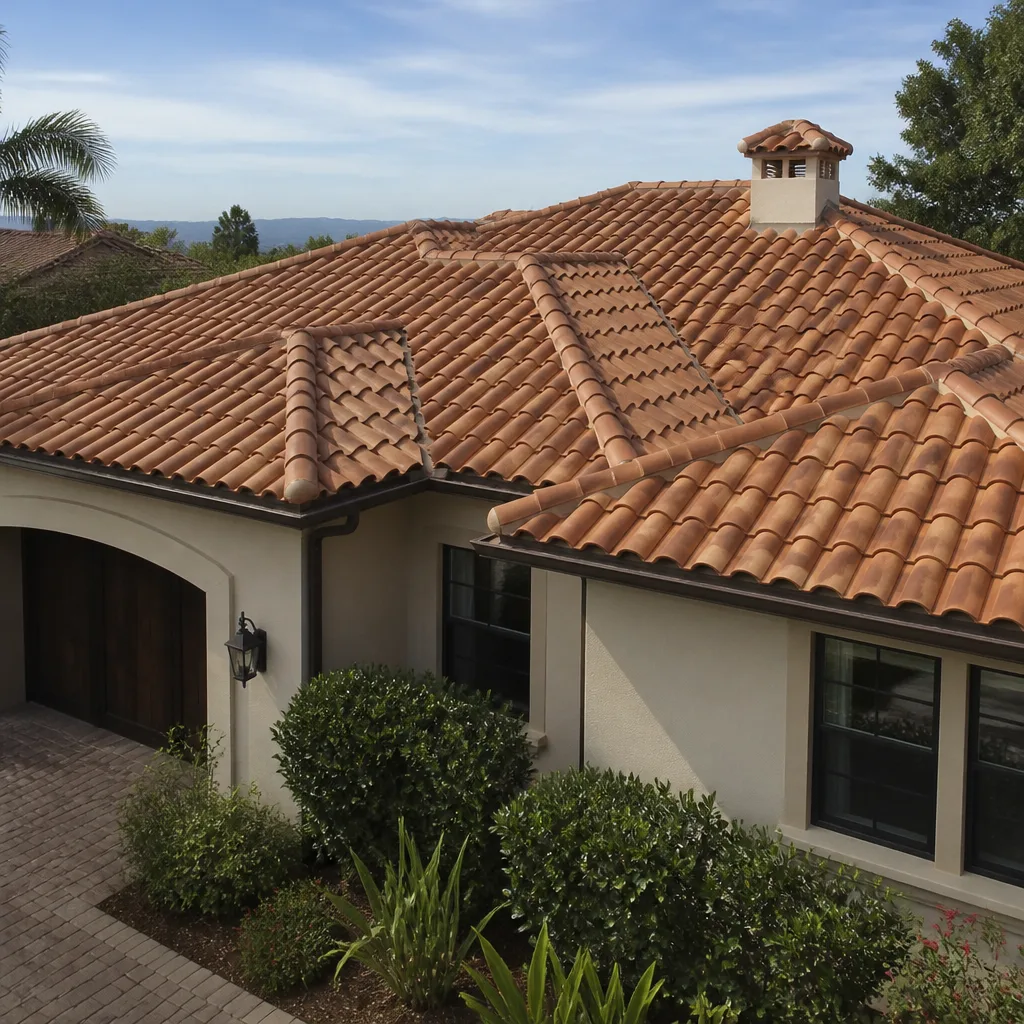 Tile roofing
 GAF
 Owens Corning
 Flat & low-slope
Free roof inspection with deck photos before we talk money - GAF and Owens Corning certified installation
Roofing Emergency Preparedness Guide for Ontario Homes
When a Santa Ana wind event damages an Ontario roof at 11 PM, the decisions made in the next two hours – who you call, what you document, and what you do or don’t cover – directly affect whether your insurance claim is approved at full value. Ontario sits at the base of the San Gabriel Mountains, where the high-desert winds funnel through the Cajon Pass and hit residential rooftops with gusts that routinely exceed 60 mph. Wind storms here don’t just peel shingles. They lift flashing, crack valley seams, and drive debris under ridge caps in ways that leak slowly for weeks before showing up as a ceiling stain. This guide covers the two distinct Ontario roofing emergencies, what to do in the first two hours after damage, what your insurance actually covers, and how to prepare before the next Santa Ana warning hits.
Styles & brands we work with
Quick Answer
Roofing emergency preparedness in Ontario means understanding your insurance policy’s mitigation clause before you need it, keeping emergency tarping materials and contact numbers ready during Santa Ana season, and knowing the difference between an active leak that demands immediate tarping and wind damage that can safely wait until morning. The single most important step is documentation: photographing every affected area from multiple angles before you cover anything, then calling a roof repair contractor in Ontario who can perform emergency mitigation without voiding your claim.
Table of Contents
- The Two Distinct Ontario Roofing Emergencies
- The First Two Hours: A Step-by-Step Protocol
- Emergency Tarping vs. Waiting Until Morning: How to Decide
- What Your Ontario Homeowner’s Insurance Actually Covers
- Pre-Season Preparedness: Materials and Relationships
- Ontario Emergency Contacts and Permit Fast-Track
- Common Mistakes to Avoid
- When to Call a Professional
- Frequently Asked Questions
- The Bottom Line
The Two Distinct Ontario Roofing Emergencies
Ontario’s roofing emergencies split into two types that behave completely differently, and treating them the same is the most common and costly mistake we see in this city. The first type is the wind event: a Santa Ana gust system that damages the roof instantly, tearing shingles off in sheets, lifting flashing, or throwing a neighbor’s patio furniture into your ridge vent. The damage is visible and loud. You know immediately that something happened, even if you don’t yet know how severe it is. The second type is the rain-intrusion emergency: damage that occurred quietly – during a previous wind event, during installation years ago, or from slow material degradation – and only becomes evident when rain finds the path and water shows up on your ceiling. This type of emergency is often invisible from the ground, develops over hours or days, and causes its most expensive damage inside the home long before anyone climbs onto the roof.
Why does the distinction matter? Because the two emergencies demand opposite responses. The wind-damage emergency typically benefits from patience: document thoroughly, assess in daylight, and avoid panic decisions about tarping that can actually complicate a claim. The rain-intrusion emergency demands speed: every hour of active water entry means more saturated drywall, more damaged insulation, and a growing mold risk that most policies cover only partially. Ontario’s climate makes this distinction sharper than in coastal or inland communities, because the same Santa Ana systems that tear shingles off in October are often followed weeks later by the first real rain of the season, and that combination – prior wind damage plus subsequent rainfall – is precisely how the “silent leak” emergency begins.
In our experience, roughly two-thirds of the emergency calls we receive in Ontario during rain events trace back to wind damage from a previous storm that was never properly assessed. Homeowners see missing shingles, take a photo, maybe file a claim, but never have the underlying water-intrusion points evaluated. For help spotting problems early, see Roofing Warning Signs: A Ontario Homeowner’s Reference Guide. The roof looks fine from the street. It isn’t fine at the seam level, and the next rain proves it.
The First Two Hours: A Step-by-Step Protocol
The two hours after a roof-damaging event determine how smoothly everything that follows goes: the insurance claim, the repair scope, the final out-of-pocket cost. Here is the exact sequence we recommend to Ontario homeowners, based on what we see succeed and fail in claims across this city.
Step 1: Safety Assessment (Minutes 1 – 10)
Do not climb onto the roof at night, during a wind event, or while rain is falling. Ontario roofs in the older neighborhoods south of the 10 Freeway often have slopes that become genuinely hazardous when wet, and the Santa Ana winds that caused the damage in the first place can gust without warning for hours after the initial event. If you smell gas or see electrical sparking, leave the home and call 911 before anything else. If water is flowing through a light fixture, shut off power to that circuit at the breaker panel before doing anything else.
Step 2: Interior Documentation First (Minutes 10 – 30)
Before you cover, move, or dry anything, photograph the interior damage thoroughly. Use your phone, use a flashlight, and shoot from at least four angles of every affected area. Include wide shots that show context – where in the room the stain is, which walls are affected – and close-up shots that show texture and extent. Video footage works too. This interior evidence is the first thing an adjuster will look at, and it’s the hardest evidence to reconstruct after the fact. Write down the exact time you first noticed the problem. That timestamp matters for policy documentation.
Step 3: Exterior Documentation Without Climbing (Minutes 30 – 45)
From the ground or from a ladder you can safely stabilize on level ground, photograph the exterior. Capture the entire roofline, then zoom in on any area that looks different: missing shingles, lifted flashing, shifted ridge caps, debris sitting on the roof, anything that wasn’t there yesterday. Ontario’s high-density tracts in neighborhoods like Ontario Ranch and Creekside often have uniform rooflines, which means even small anomalies show up clearly against the repetitive pattern. Photograph every anomaly separately.
Step 4: The Decision Call (Minute 45)
Now you make the call: Is water actively entering the home right now, or is the damage currently dry? If water is entering, proceed to emergency tarping. If the damage is dry, stop and wait until daylight. This decision point matters more than most homeowners realize, and the next section explains exactly how to make it.
Emergency Tarping vs. Waiting Until Morning: How to Decide
Here is the real-time decision framework we use when Ontario homeowners call us in the middle of a storm or in the hours after a wind event. It comes down to three conditions.
You need emergency tarping if ANY of the following are true:
- Water is actively entering the living space – a stain is growing, water is dripping, or you can hear water moving inside a wall or ceiling cavity.
- The roof has a visible open breach – daylight visible from the attic, missing decking, or shingles torn away in a section larger than a doorway.
- Rain is forecasted or currently falling, and the roof has missing shingles in any area where the underlayment is exposed or the decking is visible.
You can generally wait until morning if:
- The damage is dry, the forecast shows no precipitation for at least 24 hours, and no daylight or open decking is visible from the attic.
- Shingles are lifted or cracked but the underlayment is intact and the decking is covered.
- Flashing is loose or bent but no water has entered the home and no rain is imminent.
The reason patience matters: emergency tarping performed in the dark, in wind, by a rushed crew, is the single most common cause of secondary roof damage and tarp-failure claims. A tarp that isn’t anchored correctly becomes a sail in the next Santa Ana gust and can tear off more shingles than the original damage removed. When we handle roof replacement projects in Ontario, we regularly see homes where a previous nighttime tarp job caused more damage than the storm itself. If the damage is dry and the sky is dry, waiting for daylight and a proper ladder setup protects your roof and your claim.
But the waiting rule reverses the moment water starts moving. A small leak left running for eight hours can turn a $600 patch-and-paint repair into a $4,000 drywall, insulation, and mold remediation project. Ontario homes built in the 1960s and 1970s often have cellulose insulation that wicks water vertically, so what starts as a single ceiling stain can travel six feet up a wall cavity overnight. Speed matters when water is active.
What Your Ontario Homeowner’s Insurance Actually Covers
Most Ontario homeowners never read their policy’s mitigation clause until they’re standing under a drip with an adjuster on the phone, and by then the mistakes have already been made. Here is what you need to know about emergency roof response coverage before you need it.
The mitigation clause is the key contract language. Virtually every standard California homeowners policy includes a clause requiring the policyholder to take “reasonable steps” to prevent further damage after a covered loss. In plain language: if your roof is damaged and you do nothing while water destroys your living room, the insurance company can deny the additional interior damage on the grounds that you failed to mitigate. The roof repair might be covered. The destroyed sofa and warped flooring might not be. Emergency tarping, temporary board-up, and even the cost of calling a contractor at 2 AM are typically reimbursable under the “emergency mitigation” language in most policies, but only if documented properly.
What most policies cover for emergency response:
- Emergency tarping and temporary weatherproofing labor and materials.
- Reasonable costs for a contractor’s emergency call-out, including after-hours response.
- Water extraction and drying of the affected interior area, if performed promptly by a professional.
- Pre-loss documentation and damage assessment – meaning the cost of a professional roof inspection to determine the scope of the damage, in many cases.
What most policies do NOT cover:
- Roof replacement when the roof is past its expected lifespan and the damage is from normal wear, not a covered event.
- Mold remediation beyond a basic dry-out, unless you have a specific mold rider.
- Any damage that occurred before the storm event – pre-existing conditions, poor maintenance, prior leaks.
- Code-upgrade costs, unless you have a specific ordinance or law endorsement on your policy.
One Ontario-specific pattern worth knowing: many policies covering homes in our area treat Santa Ana wind damage as a “wind-driven event” with different deductible structures than storm or water events. Some Ontario homeowners carry a separate wind deductible – sometimes a percentage of the home’s insured value rather than a flat dollar amount – which can dramatically change the out-of-pocket math on a repair. Check your declarations page now, not in the moment. If you do not know your wind deductible, call your agent this week and ask.
Pre-Season Preparedness: Materials and Relationships
Santa Ana season in Ontario runs roughly September through December, with occasional out-of-season events in the spring. The best emergency response is the one you set up before the emergency happens. Here is what we recommend Ontario homeowners have in place before the next wind warning.
- A documented pre-storm roof condition. Schedule a standalone roof inspection in Ontario before Santa Ana season. This creates a baseline record – photographs, condition notes, flagged vulnerabilities – that makes post-storm claims dramatically easier to prove. When an adjuster asks “was this damage pre-existing?”, you have dated documentation that says no.
- Emergency tarping materials on hand. A 20×30 heavy-duty tarp, furring strips, and roofing nails costs under $100 and can save thousands in interior damage while you wait for professional help. Store them in the garage, and know where they are in the dark. Even if you never install them yourself, having them ready means a neighbor, a contractor, or a first responder can act immediately.
- The phone number of a roofing contractor who can document damage properly. Not all roofers understand insurance documentation standards. If the first person to touch your roof after a storm pulls the damaged materials off and tosses them before they’re photographed, your claim gets harder to prove by the hour.
- Updated interior photos of your home. A five-minute walkthrough video of your ceilings, walls, and attic once a year gives you a pre-damage baseline for interior claims. Adjusters love this, and it costs you nothing.
- Knowledge of your policy’s actual coverage. Wind deductible amount, mitigation language, deadline for filing claims, and whether you have ordinance/law coverage. All of this is in your policy packet, and none of it is in your head unless you look.
The relationship piece deserves emphasis. Roofing emergencies in Ontario happen to thousands of homes on the same night during a major Santa Ana event. The contractors who answer calls at 2 AM are the ones with existing local relationships, not the ones you find on a search result for the first time during the crisis. Establishing a relationship – even just by having an inspection done and getting familiar with a contractor’s name and work – changes your priority status when the whole city is calling at once.
Ontario Emergency Contacts and Permit Fast-Track
After a declared wind or storm event, Ontario activates specific emergency response channels that most homeowners don’t know about until they need them. Here is what applies in our city.
City of Ontario Building and Safety Department. In the aftermath of a declared storm or wind event, Ontario has the authority to issue emergency roof repair permits on an expedited basis – sometimes same-day or next-day, bypassing the standard review queue. The homeowner or contractor must still pull the permit before work begins, but the process is deliberately streamlined. If a contractor tells you they can’t wait for a permit and need to start “right now” without one, that is a red flag. Even fast-tracked permits exist for a reason, and unpermitted emergency work can complicate both insurance claims and future home sales. For details on what to expect, read our guide to Roofing Permits, Codes & Inspections in CA: What You Need to Know.
City of Ontario Emergency Services. For life-safety emergencies – gas leaks, electrical hazards, structural compromise – call 911. For non-life-threatening city service issues like downed trees, blocked storm drains, or debris in roadways, the City of Ontario Public Works department maintains an after-hours reporting line. Your neighborhood’s block on the city grid isn’t something you want to look up for the first time during an emergency.
Utility companies. Southern California Edison and Southern California Gas Company both maintain 24-hour emergency lines for service issues related to storm damage. If debris has pulled a service line away from your home, or if you smell gas after a wind event, these are the calls to make – and they should happen before any roofing work begins.
Insurance company emergency claims line. Most major carriers have 24-hour claims intake, and the clock on your mitigation obligation starts when the damage happens. Some policies require notice within 72 hours for storm-related claims. Do not wait until Monday to report Friday-night damage.
How the sequence works after a declared event:
- Life-safety issues first: 911 if gas, electrical, or structural danger is present.
- Insurance claim filed: immediately, with your pre-existing photos and any new damage documentation ready.
- Mitigation: tarping or temporary covering if water is active or imminent.
- Professional inspection: a documented roof assessment to scope the actual repair.
- Permit: applied for by your contractor through Ontario Building and Safety, expedited when the city has declared an emergency.
- Permanent repair or replacement: after adjuster review and permit approval.
The permit step is where we see Ontario homeowners get into trouble. Emergency tarping does not require a permit – it is temporary mitigation. But the permanent repair, once the emergency passes, does require one in most cases where structural elements or large sections of the roof are involved. A contractor who treats a post-storm roof replacement as “too urgent for permits” is exposing the homeowner to liability. The City of Ontario has processes for exactly this situation, and they are faster than most people assume.
Common Mistakes to Avoid
- Climbing onto the roof during or immediately after a wind event. Santa Ana gusts in Ontario can hit 70 mph. The roof is not safe, and the damage assessment can wait. We have seen too many preventable fall injuries because the homeowner wanted to see the damage with their own eyes.
- Pulling damaged materials off the roof before photographing them. Every piece of evidence you remove is evidence your adjuster can’t evaluate. Leave everything in place until it is documented by you or a professional.
- Hiring the first contractor who knocks on your door after a storm. Post-storm canvassing is a real pattern in Ontario after major wind events. Some of these operators are legitimate; many are not licensed, not local, and gone before the warranty question comes up.
- Skipping the interior documentation. The ceiling stain is evidence of the leak path, not just damage to be painted over. Dry it, document it first.
- Assuming your insurance covers the full repair automatically. Deductibles, wind-specific clauses, and mitigation requirements all affect what you actually receive. Know the numbers before the event.
- Using a tarp incorrectly. A tarp nailed flat over a damaged section without proper anchoring will fail in the next wind, often pulling off additional shingles in the process. Proper emergency tarping overlaps the ridge, extends past the damaged section by several feet on every side, and is anchored with furring strips, not bare nails through the tarp material.
- Filing a claim for damage that costs less than your deductible. An Ontario homeowner with a 2% wind deductible on a $600,000 home has a $12,000 wind deductible. A $3,000 repair doesn’t justify a claim that will raise your premiums. Run the math before you file.
When to Call a Professional
The honest answer: call a professional in every scenario where your roof has been damaged, even if the damage looks minor from the ground. What looks like three missing shingles is often just the visible edge of a much larger compromise – lifted underlayment, cracked valley seams, damaged flashing that will leak during the next rain. A professional inspection after any wind event in Ontario costs less than the most minor interior water damage repair. The cases where a homeowner can safely skip professional involvement are essentially nonexistent if shingles are missing, flashing is bent, or water has entered the home. Hawk Roof Repair offers free estimates in Ontario, and our inspection service provides a documented, photographed assessment of your roof’s condition before any repair conversation begins. Call (877) 731-1384 to schedule an inspection or emergency tarping.
Frequently Asked Questions
Emergency roof tarping in Ontario typically costs between $400 and $1,200 depending on the size of the damaged area, the roof pitch, and whether the call is during business hours or after-hours. Most homeowner’s insurance policies reimburse this cost under the mitigation clause when the tarping is performed by a licensed contractor and properly documented. Call (877) 731-1384 for a specific quote based on your roof’s size and damage location.
In most cases, yes – a claim stays on your record regardless of whether it’s weather-related, and it can affect your premium at renewal. The real question is whether the repair cost exceeds your deductible by enough to justify the claim. Ontario homeowners with percentage-based wind deductibles should calculate their actual out-of-pocket before filing. If the repair is less than or close to your deductible, paying out of pocket is usually the smarter long-term move.
Small repairs – replacing missing shingles, resealing flashing – can typically be completed in a single day once the roof is dry and safe to work on. Larger repairs that require decking replacement or section rebuilds take two to five days. The timing depends heavily on contractor availability after a major Santa Ana event, when every roofing company in Ontario is handling surge demand. Scheduling an inspection before peak season or establishing a contractor relationship helps you move faster than the crowd.
No. A properly installed tarp stops direct water entry through the damaged area, but water that has already saturated the decking or found its way into wall cavities can continue causing damage for days. The tarp is step one; professional drying and assessment of the interior water path is step two. Don’t assume the problem is solved because the ceiling stopped dripping.
Emergency tarping and temporary weatherproofing do not require a permit. Permanent repairs – replacing shingles in a small area, fixing flashing – typically fall under minor repair allowances that may not require a permit, depending on the scope. Full roof replacement and structural repairs do require a permit through the City of Ontario Building and Safety Department, which offers expedited processing after declared storm events. Your contractor should handle the permit process, and you should verify that a permit is in hand before major work begins.
Ontario homeowners have access to the full range of major roofing material brands through local contractors, including asphalt shingles from manufacturers like GAF, CertainTeed, Owens Corning, IKO, Atlas, Tamko, and Boral – each with different price points, warranties, and aesthetic profiles. The right choice depends on your home’s existing roof, your budget, and your preferences for durability and appearance. A contractor with access to multiple brands can help you choose specifically for your home, rather than defaulting to a single product line.
The Bottom Line
Roofing emergencies in Ontario are not one uniform event. Wind damage that strips shingles in October becomes rain-intrusion damage that soaks ceilings in December, and the response each situation requires is different. The homeowners who fare best through a Santa Ana event are the ones who documented their roof before the damage, know their policy’s actual numbers, and have a contractor relationship already established. The ones who fare worst make decisions in the dark, literally and figuratively, and discover their deductible, their mitigation obligation, and the limits of their coverage in the worst possible moment. Preparation costs less than reaction, and in Ontario, the next wind event is never more than a season away.
Written by the team at Hawk Roof Repair, serving Ontario since 2017.
See the difference
 Before
 After
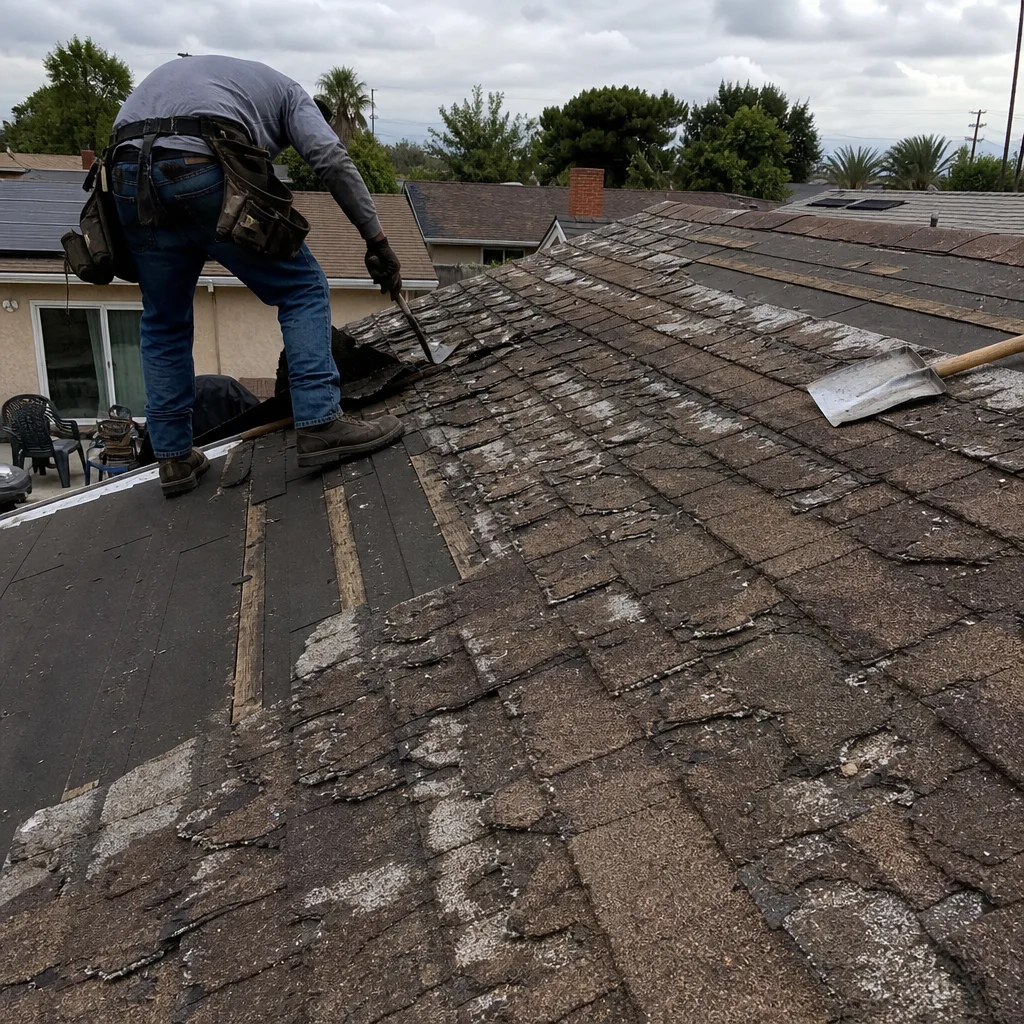 Before
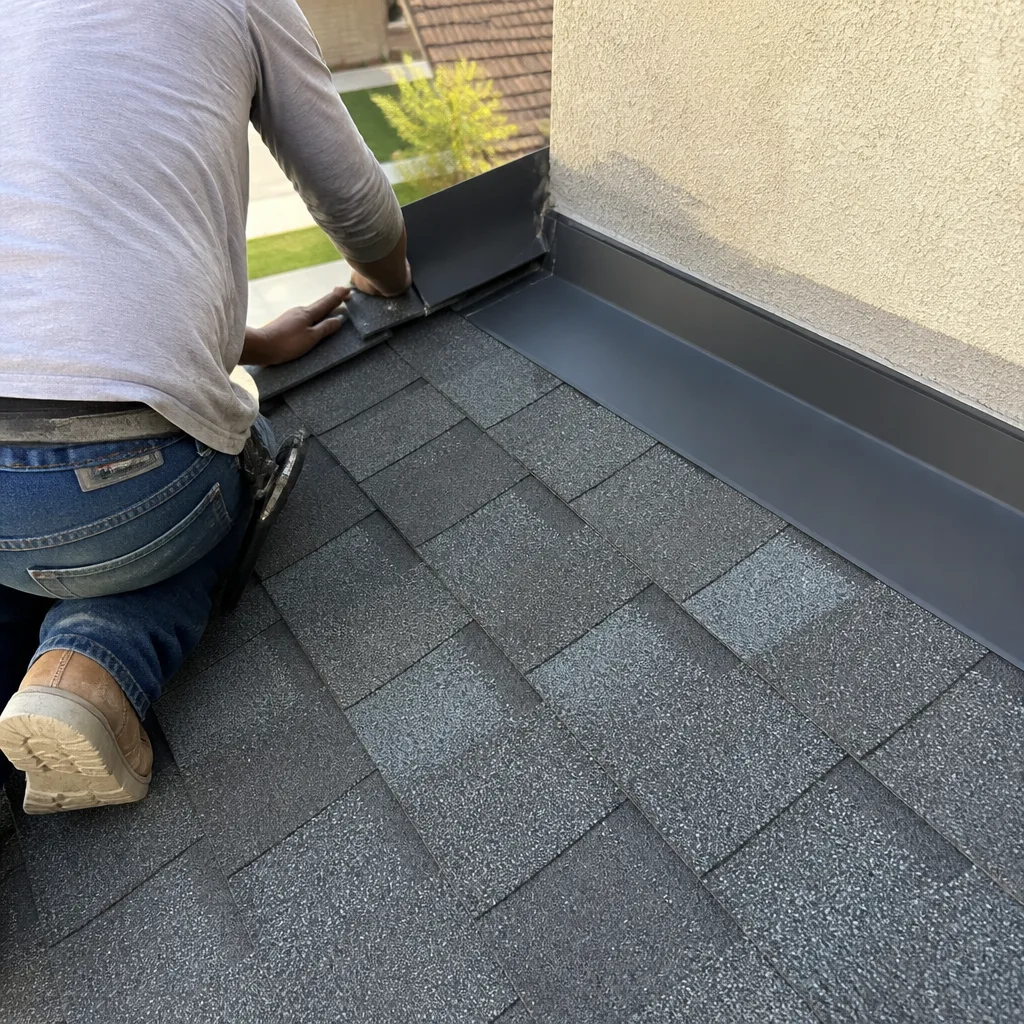 After
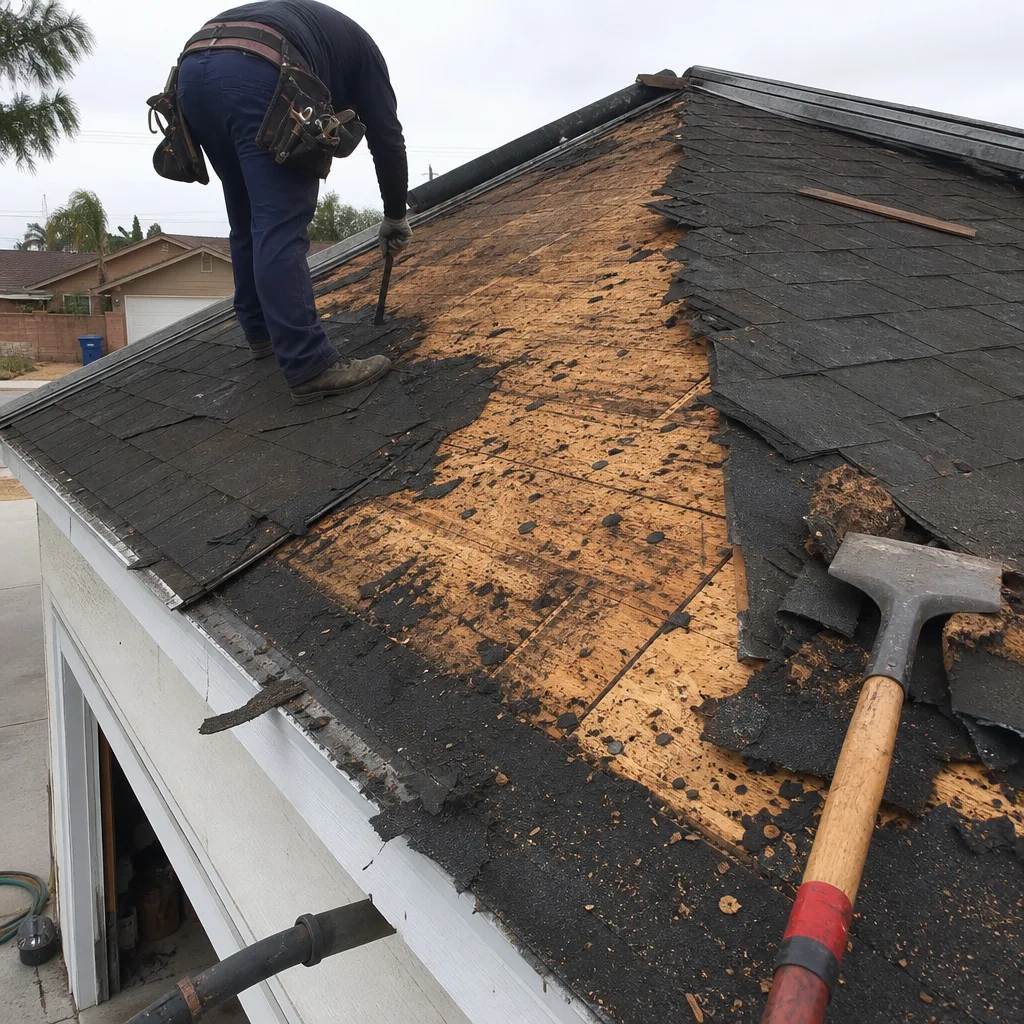 Before
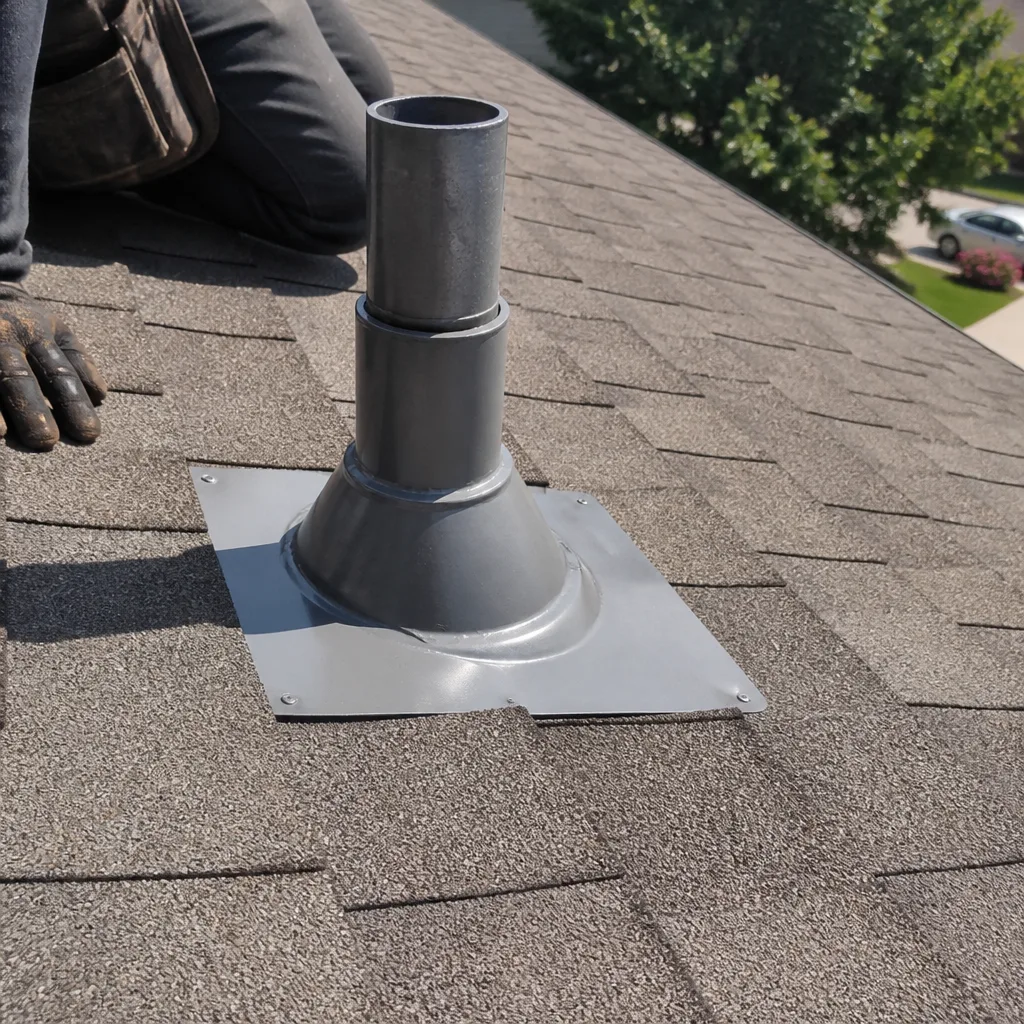 After