
Last updated October 30, 2026
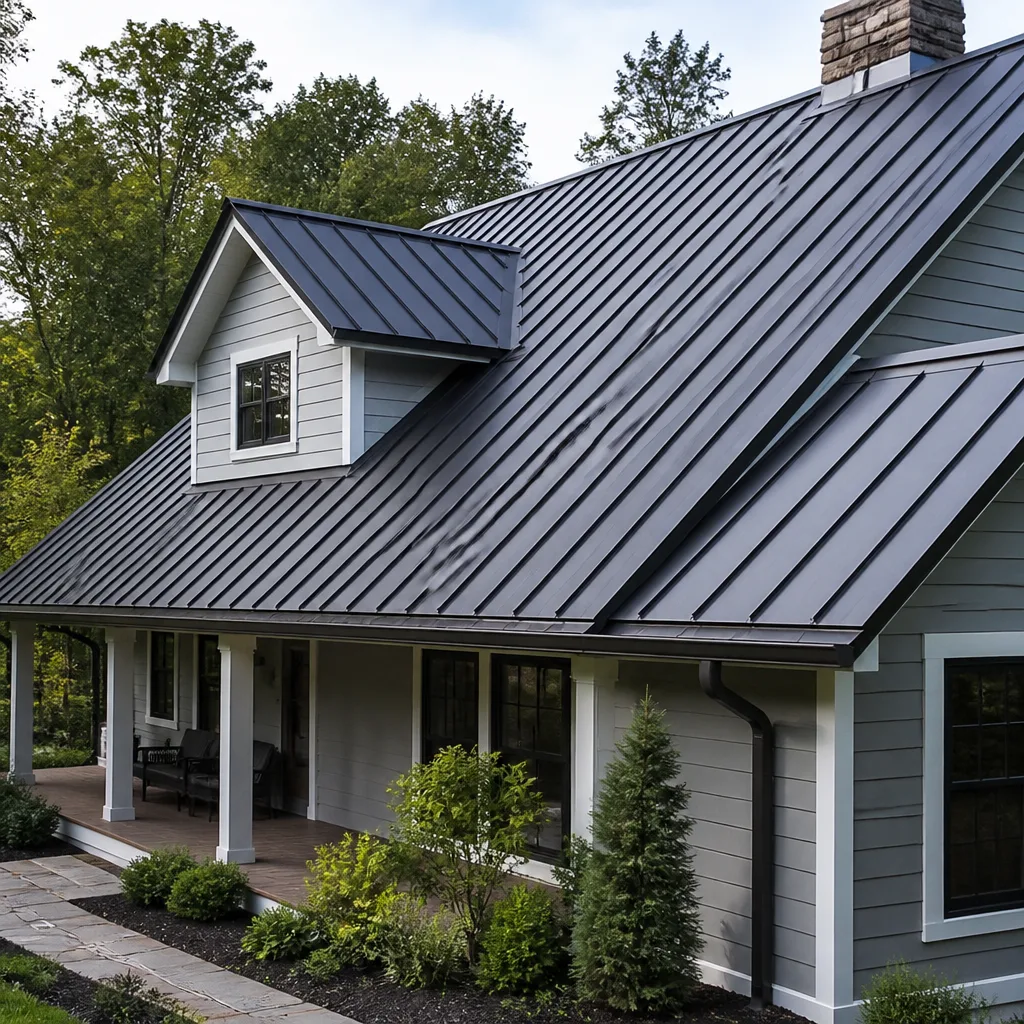 Metal roofing
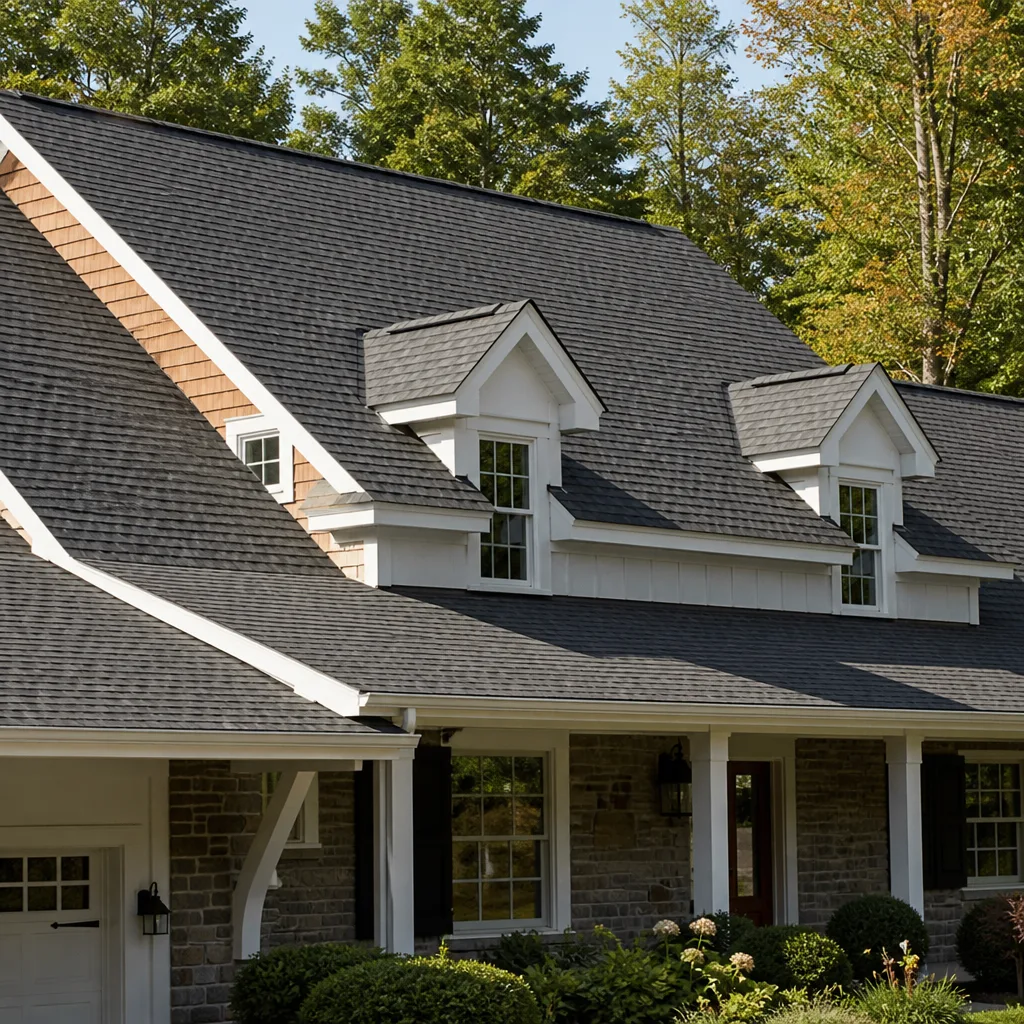 Architectural shingles
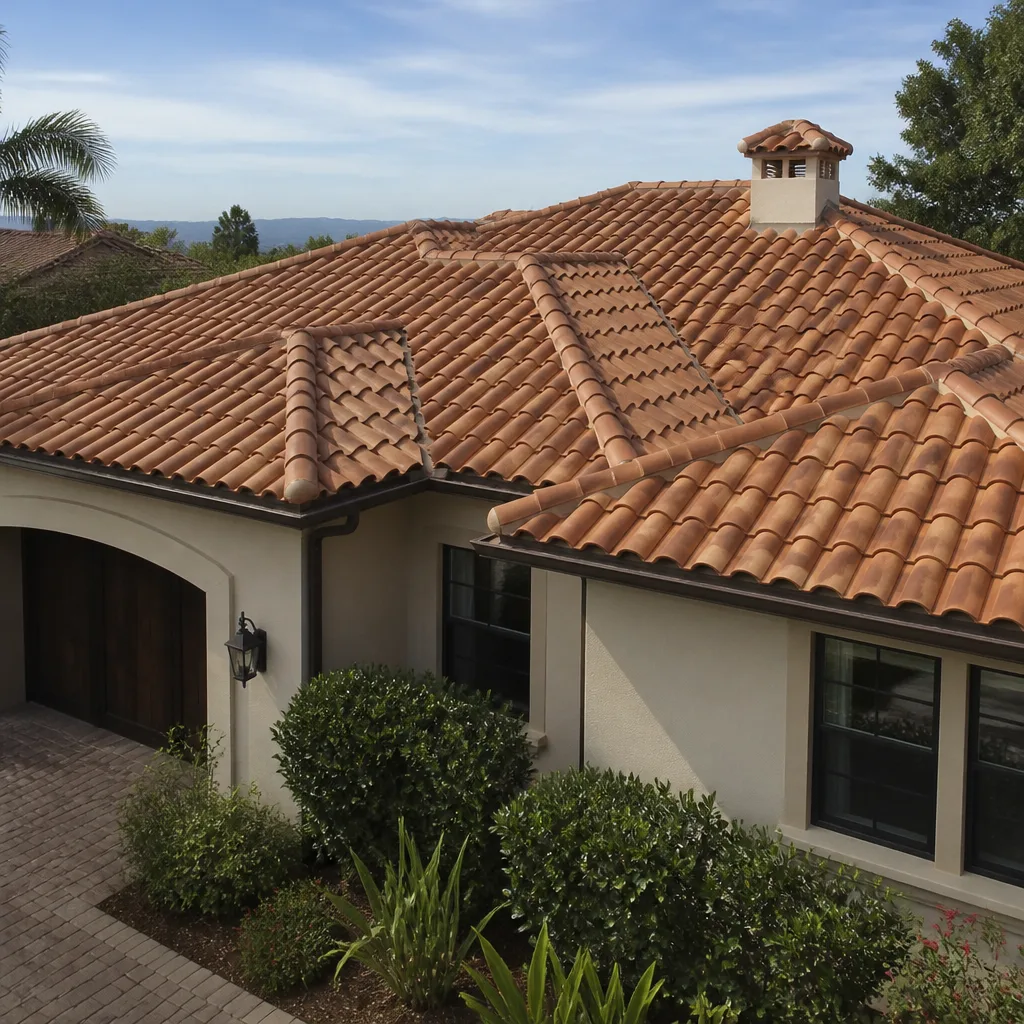 Tile roofing
 GAF
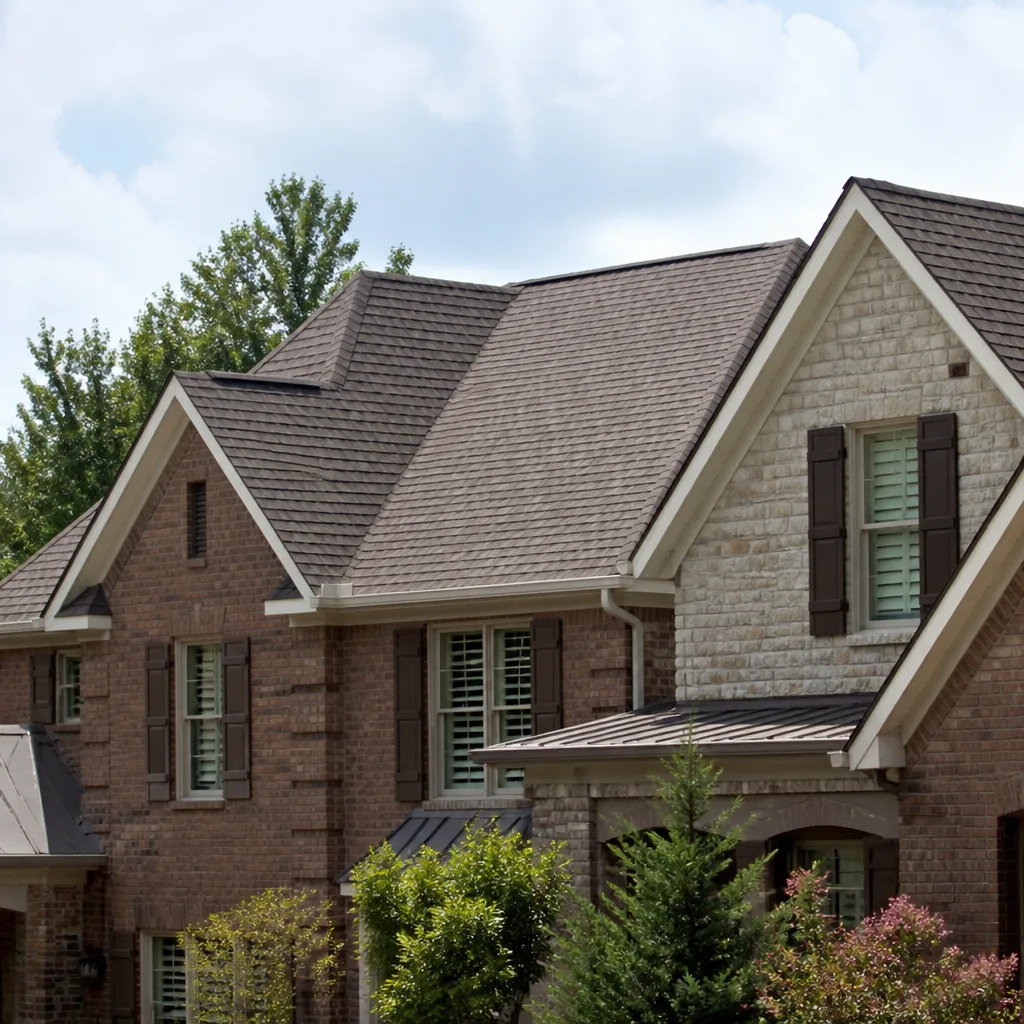 Owens Corning
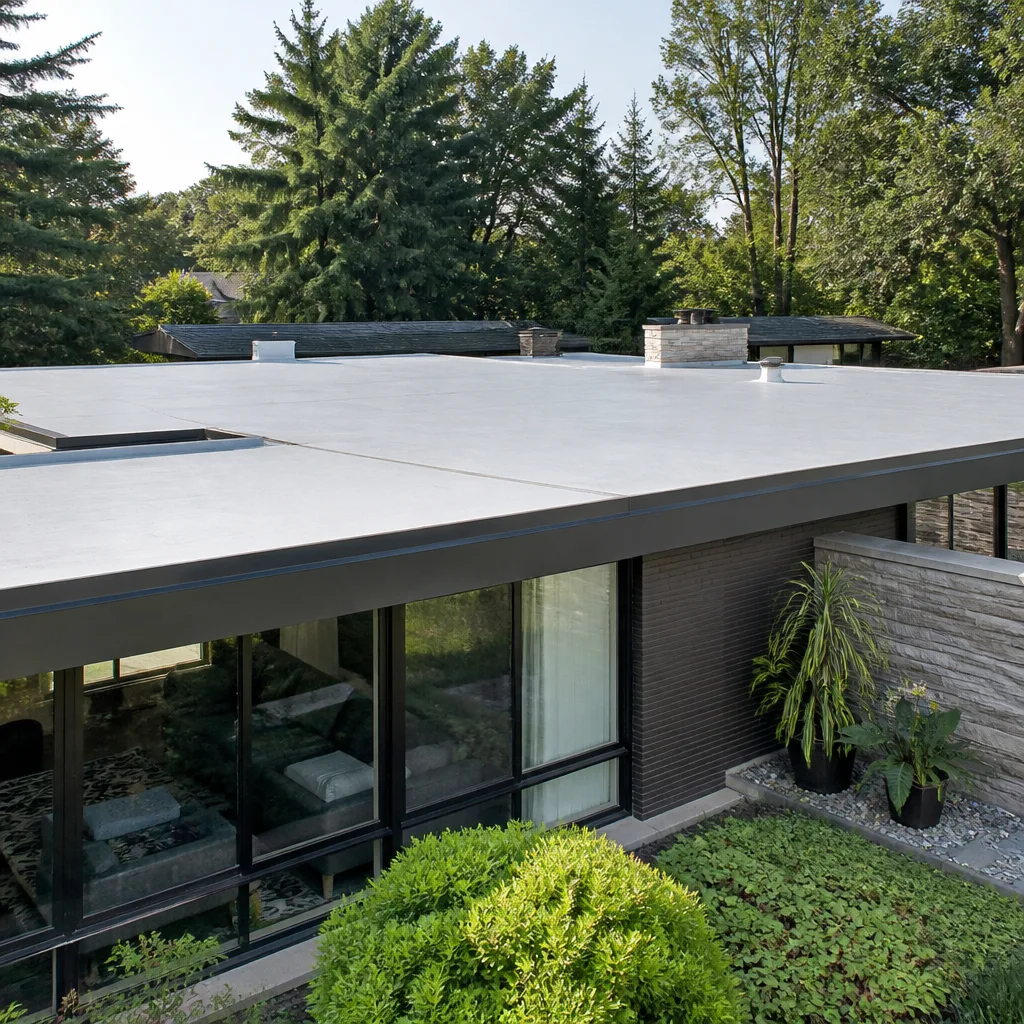 Flat & low-slope
Free roof inspection with deck photos before we talk money - GAF and Owens Corning certified installation
Roofing Permits, Codes & Inspections in CA: What You Need to Know
A re-roof without a permit in California doesn’t just risk a city fine. It can give your homeowner’s insurance carrier grounds to deny a wind or fire damage claim on the basis of unpermitted work. Every year, Ontario homeowners discover this after the fact, usually during a claim or a sale, when the leverage is already gone. This guide explains how Ontario’s permit process actually works, what California Title 24 requires for this specific climate zone, what city inspectors look for, and how unpermitted roofing follows a property through title reports and resale. For Roofing Warning Signs: A Ontario Homeowner’s Reference Guide, see our companion resource.
Quick Answer
Most full roof replacements in Ontario, CA require a city building permit. Minor repairs under 100 square feet are often exempt. The permit triggers mandatory inspections and ties the work to California Title 24 cool-roof standards. Skipping it can void insurance coverage and complicate a future home sale.
Styles & brands we work with
Table of Contents
- When Does Ontario Require a Roofing Permit?
- California Title 24 and Ontario’s Climate Zone 10
- What the Ontario City Inspector Actually Checks
- Three Common Reasons Ontario Re-Roofs Fail First Inspection
- How Unpermitted Roofing Appears on Title Reports
- The HOA Approval Process in Ontario’s Planned Communities
- Permit Costs and Timeline in Ontario
- Permits and Insurance: The Connection Most Homeowners Miss
When Does Ontario Require a Roofing Permit?
The City of Ontario follows the California Residential Code with local amendments. Any roof work that involves removing and replacing the roof covering, sheathing, or structural members requires a building permit. That includes full re-roofs, tear-offs, and any repair where the underlayment is exposed. The permit is not optional, and it is not the roofer’s preference. It is a legal requirement tied to the city’s building department and its inspection calendar.
Repairs under 100 square feet of roof area are generally exempt, provided they do not involve structural changes. Replacing a few missing shingles after a Santa Ana wind event, for example, typically falls under exempt maintenance. But the threshold matters. A repair area of 110 square feet crosses into permit territory. City inspectors in Ontario treat the square footage calculation as roof surface area, not attic floor area, which surprises homeowners who measure differently.
Here is how the scope breaks down in practice:
- Under 100 sq ft, non-structural: No permit needed. Shingle replacement, minor flashing repair, small valley work.
- Over 100 sq ft of roof covering: Permit required, even if the deck is untouched.
- Any sheathing replacement: Permit required regardless of size.
- Any structural work (rafters, trusses, beams): Permit required, plus a plan review.
- Full re-roof or tear-off: Permit required, including Title 24 compliance documentation.
We regularly inspect Ontario homes in neighborhoods like Creekside and Coyote Creek where a previous owner patched a roof without permits. The repair held for a few years, then failed at the seam where permitted and unpermitted work met. Documentation matters as much as the shingle itself.
California Title 24 and Ontario’s Climate Zone 10
Ontario sits in California Climate Zone 10, which runs hot and dry through summer with cool, occasionally wet winters. Title 24 Part 6 sets cool-roof requirements for this zone. Any re-roof or roof replacement in Ontario must comply with minimum aged solar reflectance and thermal emittance values for low-slope and steep-slope roofs. See our Seasonal Roofing Care for Ontario: Year-Round Homeowner’s Guide for maintenance tips that protect these values over time.
For a steep-slope residential roof, the standard requirement in Zone 10 is a minimum aged solar reflectance of 0.20 and thermal emittance of 0.75, unless an exception applies. Most asphalt shingle products today meet this through the California Energy Commission’s certified cool roof product directory. Certain colors and product lines do not. A dark charcoal shingle from a manufacturer that has not submitted the product for CRRC certification will fail Title 24 review, and the city will not issue the permit.
In our experience, the brands that consistently clear Ontario’s Title 24 review without drama include Owens Corning and IKO lines with CRRC-listed colors, plus certain Atlas and Tamko profiles designed for Western climate zones. For deeper guidance, read our Choosing the Right Roofing Brand: A Buyer’s Guide for Ontario. That said, the certification belongs to the specific product and color, not the brand name. A black shingle that is CRRC-certified passes. A black shingle that is not certified fails, regardless of manufacturer reputation.
The practical takeaway: before you commit to a shingle color in Ontario, check it against the CRRC directory. A roofer who submits permit documents without doing that check will cause a permit delay, and sometimes a material order change.
What the Ontario City Inspector Actually Checks
The city inspection is not a formality. An Ontario building inspector will climb the roof or view it from a ladder at scheduled points during the job. For a standard re-roof, the inspection sequence runs like this:
- In-progress underlayment inspection: The inspector checks that the underlayment is installed per manufacturer instructions and code, with proper fastening and overlap. If the roof gets covered before this inspection happens, the inspector will require a tear-off at the roofer’s expense.
- Flashing and penetration detail inspection: Valley metal, chimney flashing, pipe boot collars, and wall step flashing are checked against code. This is where most hand-nail mistakes get caught.
- Final inspection: Complete roof covering, ridge ventilation, drip edge, and Title 24 documentation are verified. The inspector confirms the installed product matches the CRRC certification submitted with the permit.
Ontario requires the permit card to be posted on the job site. The inspector signs off only when the work matches the permit scope. If a roofer tells you the inspection is optional or that they will handle it later, that is a red flag. The inspection is your legal record that the work was done to code.
Three Common Reasons Ontario Re-Roofs Fail First Inspection
City inspection failure rates vary by crew, but three problems show up in Ontario more than anywhere else in the Inland Empire. None of them are mysterious. All of them are preventable with a competent crew and a roofer who walks the roof before the inspector arrives.
- Underlayment fastening that does not match the manufacturer’s published spec. Fastener spacing and cap patterns vary by product. A crew that uses the same nailing pattern for every job will fail when the inspector checks the exact underlayment brand installed.
- Missing or improperly lapped flashing at roof-to-wall intersections. Ontario’s older ranch homes in the Vintage Reserve and Edenglen areas have specific architectural details where the wall intersects the roof plane. Flashing ordered before the old roof is torn off rarely matches the condition of the wall behind it. Retrofit flashing is where crews rush.
- Title 24 documentation mismatch. The permit lists one shingle color and CRRC ID. The installed shingle is a different color or product. This happens when a homeowner changes their mind mid-job and the roofer does not re-submit the paperwork. The city will not close the permit for a product swap.
A failed first inspection means a correction notice, a re-scheduled inspection, and often a tear-off of a section that was already finished. The delay is never worth the shortcut.
How Unpermitted Roofing Appears on Title Reports
Ontario’s building department maintains permit records that tie to the property address and parcel number. When a roof is replaced without a permit, no inspection record exists. The work is invisible to the city, but it does not stay invisible to a title company.
During escrow, a thorough title report and buyer’s inspection may catch discrepancies between the property’s described condition and the actual roof. If the seller’s disclosure states the roof is five years old but there is no permit history for a re-roof, the buyer’s agent and lender have a problem. The most common outcomes:
- The buyer demands a retrofit permit and inspection before close, which means opening walls or roof sections that were already finished.
- The lender withholds funding until the permit is resolved, delaying or killing the sale.
- The seller agrees to a price reduction to cover the buyer’s legal and construction risk.
We have seen unpermitted roof work knock $15,000 to $25,000 off an Ontario sale price, depending on the roof size and what the retrofit inspection uncovered. The irony is that the original work might have been done well. It simply lacked the paper trail that California’s property transfer system demands.
For homeowners planning to sell within five to ten years, the permit is not optional paperwork. It is part of the asset value of the house.
The HOA Approval Process in Ontario’s Planned Communities
Many Ontario neighborhoods operate under homeowners associations with architectural review committees. Communities like New Haven, Park Place, and portions of Ontario Ranch require HOA approval before any exterior roof change, even when the city permit is already in hand. The HOA process runs parallel to the city process, not instead of it.
The HOA typically cares about aesthetic conformity: shingle color within an approved palette, consistent ridge cap profile, and no visible change to the home’s street view that departs from the community standard. Some HOAs maintain a list of pre-approved shingle colors from specific manufacturers. Others require the homeowner to submit a sample board and wait 30 days for committee review.
The sequencing matters. We recommend submitting the HOA application and the city permit application at the same time. If the HOA rejects the first color choice, the homeowner can adjust before city permit documents lock in a specific CRRC-certified product. If the city permit is issued first and then the HOA forces a color change, the homeowner pays a permit revision fee and loses time.
In Ontario, some of the newer master-planned communities have tighter restrictions than the city. A homeowner in a standard single-family subdivision may have no HOA at all. A homeowner in Ontario Ranch may have two layers of HOA review. Know your governing documents before you order materials.
Permit Costs and Timeline in Ontario
Ontario’s permit fees for a residential re-roof are calculated on project valuation, which for roofing means the total contract price, including labor and materials. A typical single-family re-roof in Ontario carries a permit fee between $350 and $800, depending on roof size and valuation. Structural work or plan review adds cost.
Here is a realistic breakdown for a standard single-family home re-roof in Ontario:
- City building permit fee: $350 – $800, based on project valuation
- Plan check (if structural work is involved): $150 – $400 additional
- Inspection scheduling: Included in permit fee, but a re-inspection after a fail can carry a $100 – $200 fee
- Title 24 documentation: Usually prepared by the roofer or a third-party consultant at no additional homeowner cost, but confirm before signing
- HOA application fee (if applicable): $50 – $300 depending on the association
Timeline from permit application to permit issuance in Ontario averages three to ten business days for a simple re-roof with complete Title 24 paperwork. Incomplete paperwork or a plan check for structural work extends that. The inspection itself then happens in stages during the job. A full re-roof from permit pull to final sign-off typically runs one to two weeks in this city, assuming no correction notices.
Permits and Insurance: The Connection Most Homeowners Miss
A California homeowners insurance policy covers sudden and accidental damage to the roof, but it also contains provisions about permitted work. When a wind event tears shingles off an unpermitted roof, the adjuster has a defensible grounds to deny the claim: the roof was never legally verified as compliant with current building code. The insurance company’s position is that the damage would not have occurred, or would have been less severe, had the roof been built to permitted standard.
This is not a fringe loophole. It is a routine denial basis in wildfire-adjacent regions and high-wind corridors across the Inland Empire. Ontario’s exposure to Santa Ana winds makes the roof the most commonly claimed component of a home after wind events. A permitted roof with a final inspection record is a shield against that denial. An unpermitted roof is an invitation for the adjuster to dig.
If you are preparing to file a roof claim, or if you replaced a roof without a permit years ago and now worry about the exposure, the first step is documentation. A Roof Inspection in Ontario that documents the current condition, material type, and any code-visible issues gives you a baseline. If the roof needs work, get it permitted this time. The city’s process is the only way to create the legal record your insurance company will respect.
Common Mistakes to Avoid
- Assuming all repairs are exempt. Ontario’s exemption threshold is specific. Push past 100 square feet of roof area and you are in permit territory, even if the repair feels minor.
- Picking a shingle color before checking CRRC certification. Ontario’s Title 24 review will reject any product that is not certified for Climate Zone 10. Color is not a style decision here; it is a compliance decision.
- Letting the roofer skip the underlayment inspection. Once shingles cover the underlayment, the inspector cannot verify it. The city can require a section tear-off. The roofer who rushes this step is not saving you time.
- Ignoring your HOA while you wait for the city permit. The two approvals run in parallel. Miss the HOA process and you may pay a permit revision fee or re-order materials in a different color.
- Not keeping the final inspection record. The permit card and signed inspection report are legal documents. Store them with your deed and insurance policy. They are your proof when the wind blows hard in October.
- Using an unlicensed roofer who offers to skip the permit to save money. The savings disappear the first time you file a claim or list the house for sale. Ontario enforces its permit rules, and the enforcement always lands on the homeowner.
See the difference
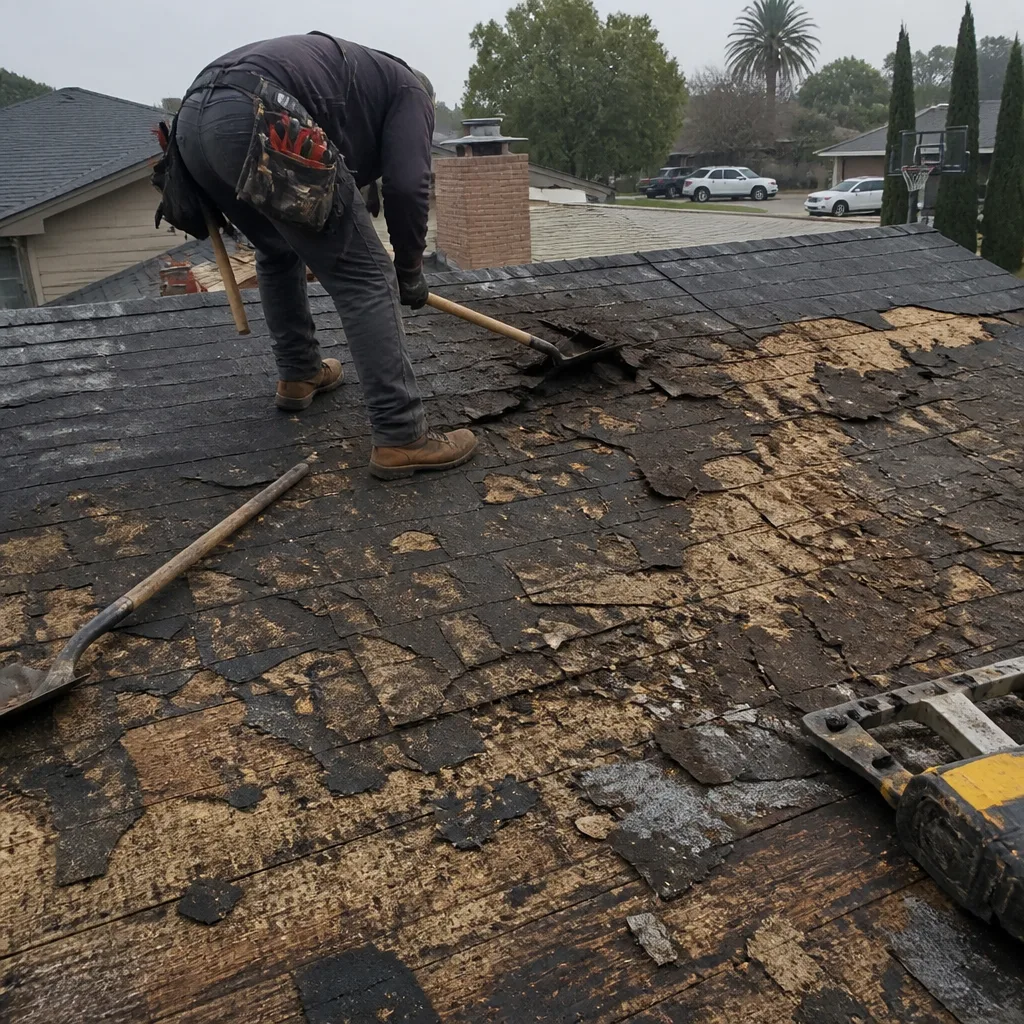 Before
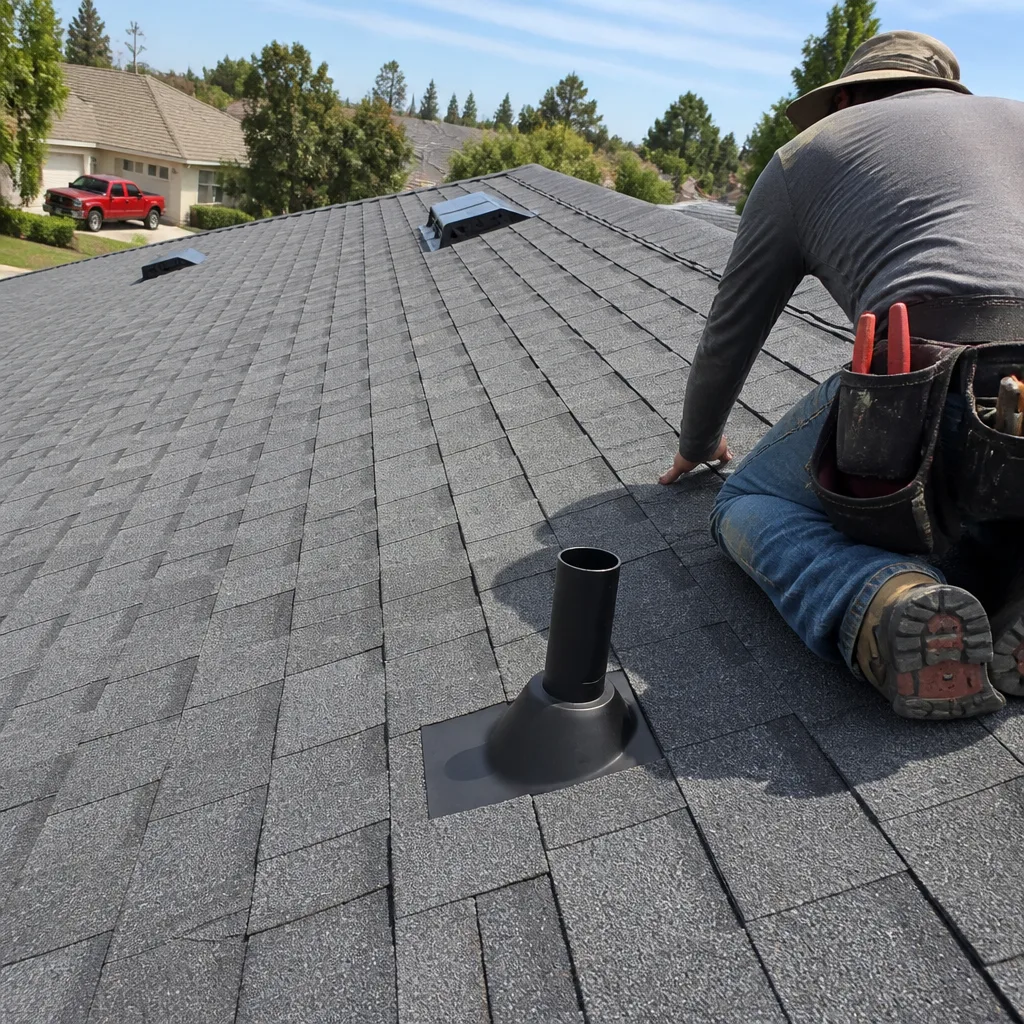 After
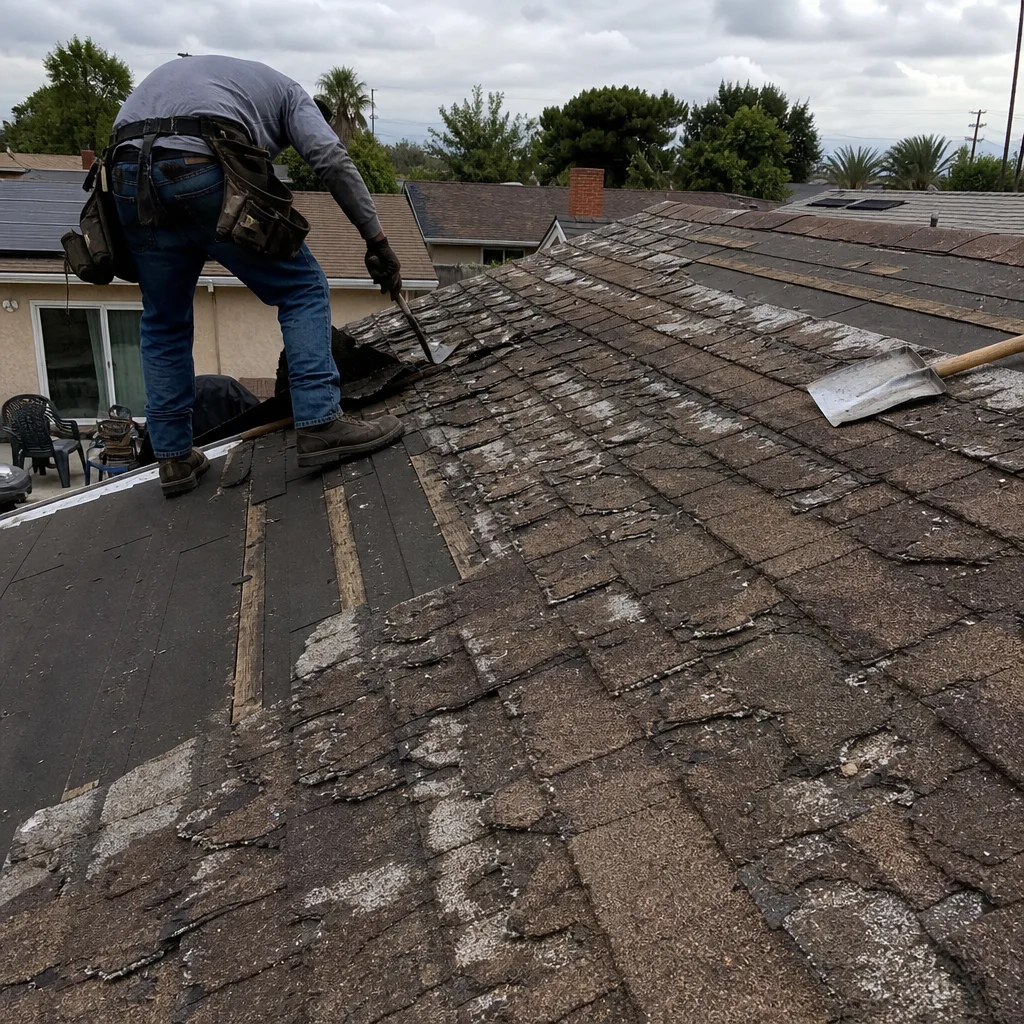 Before
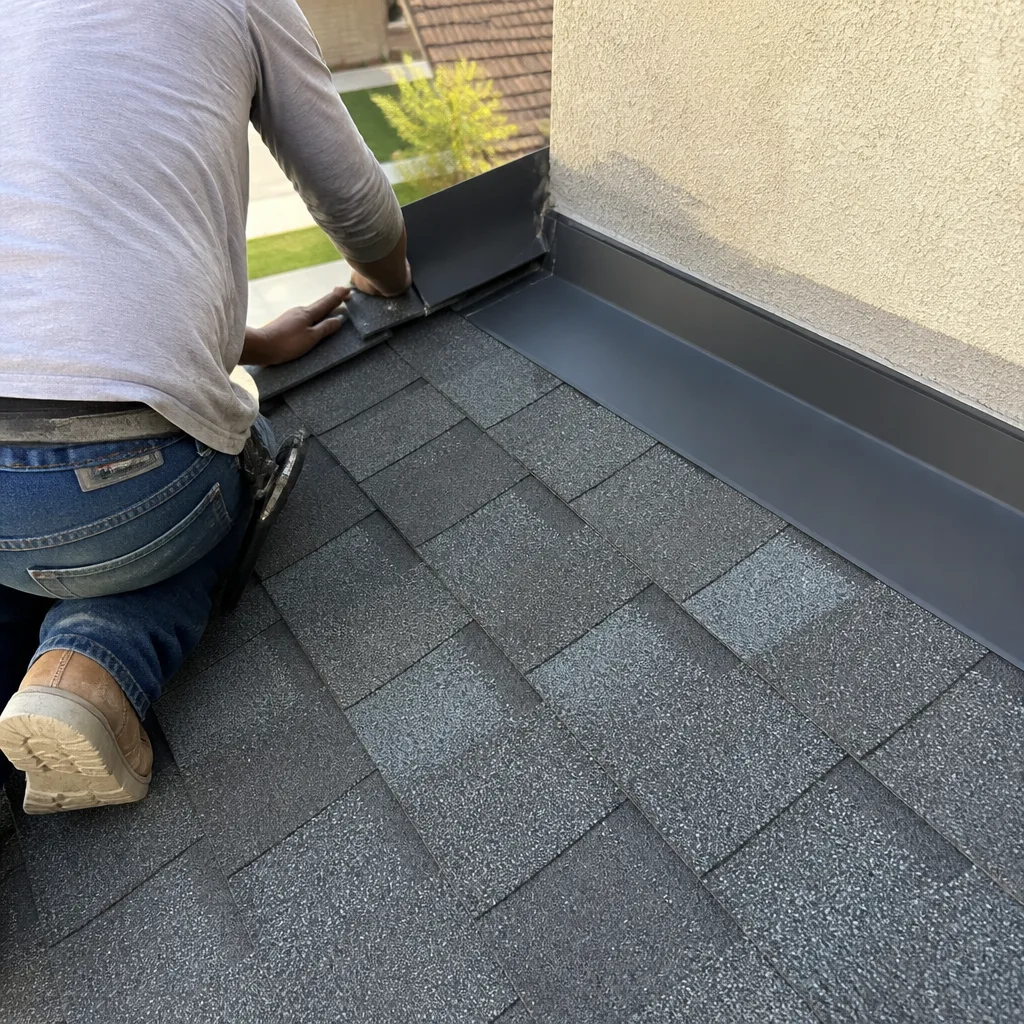 After
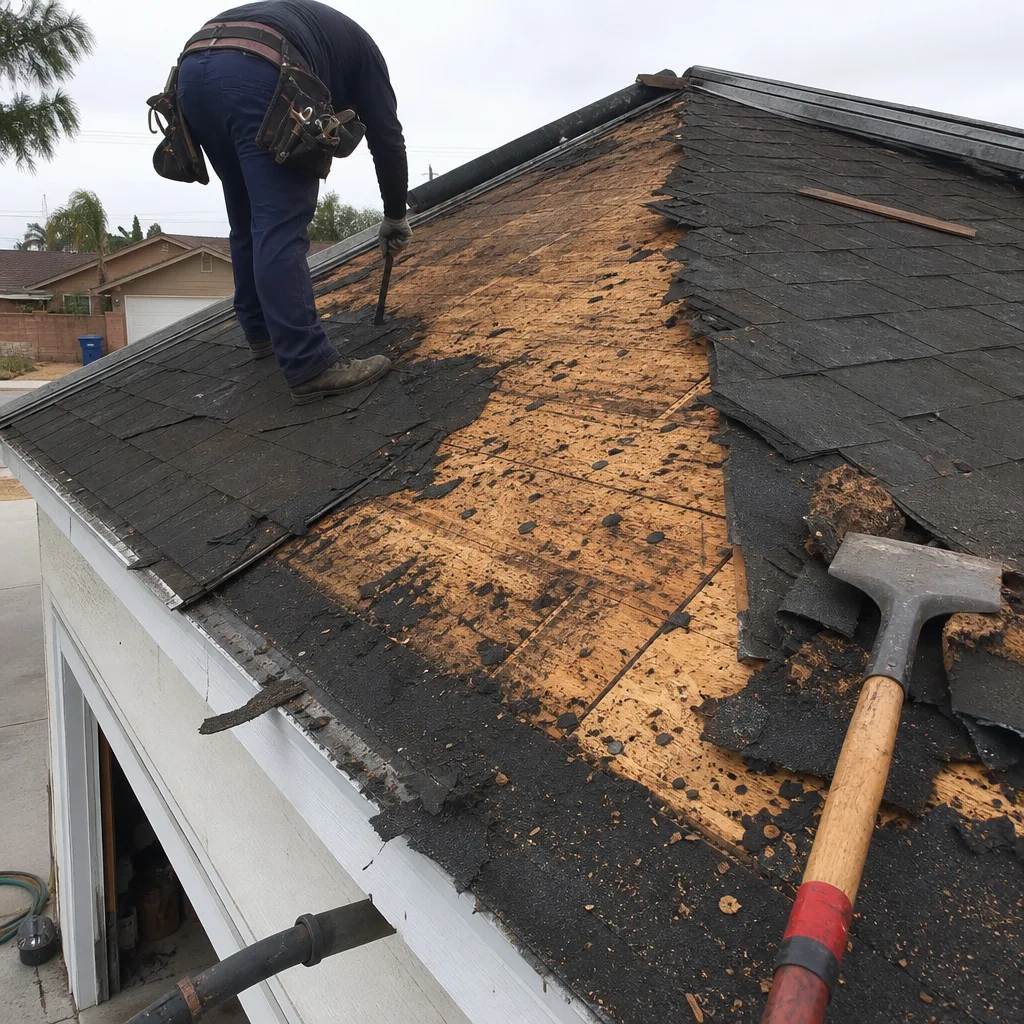 Before
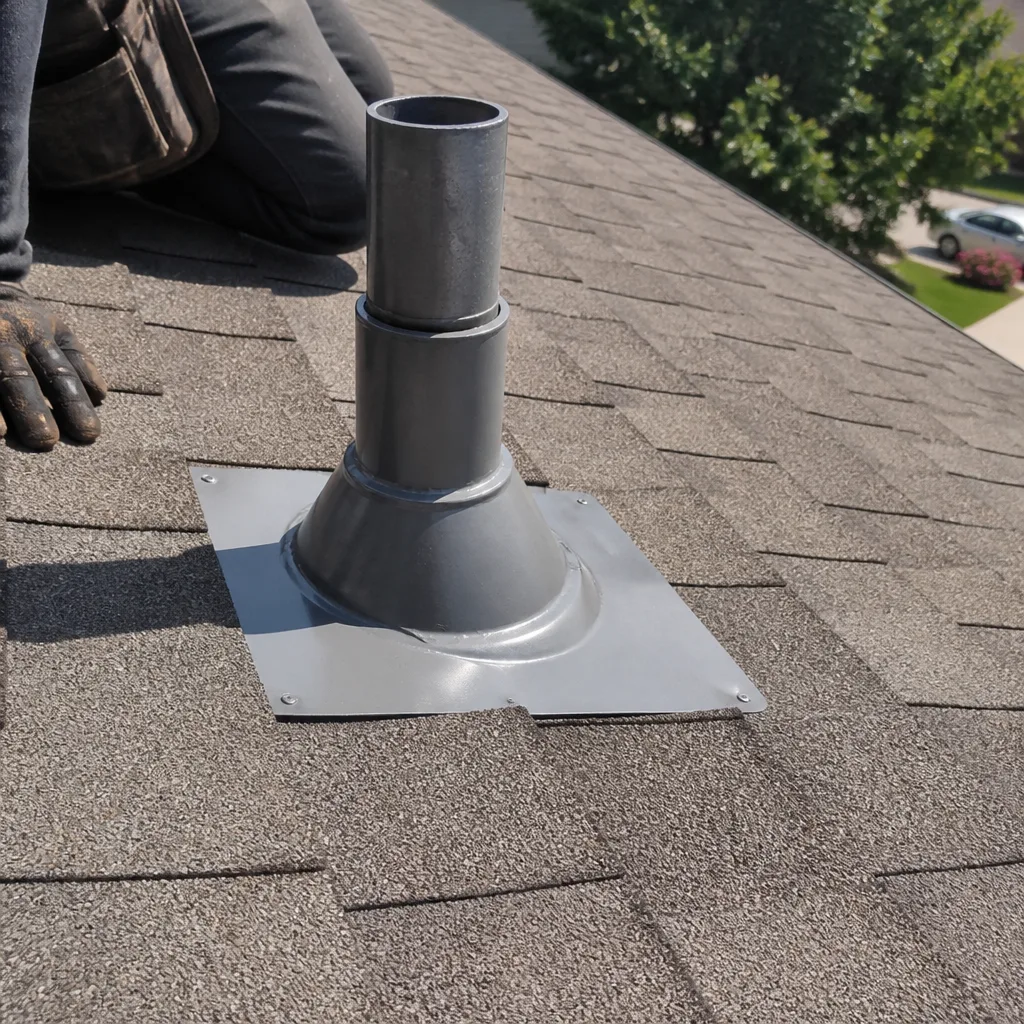 After
When to Call a Professional
If you are planning a full re-roof, if a repair exceeds the 100-square-foot threshold, or if you own a home with a roof of unknown permit history and you are preparing to sell, you need a professional who understands Ontario’s permitting and inspection sequence. A qualified roofer handles the permit application, Title 24 documentation, HOA coordination, and inspection scheduling as part of the job, not as an afterthought. If you have visible roof damage or suspect your current roof was done without permits, start with a documented inspection. Hawk Roof Repair offers free estimates in Ontario – call (877) 731-1384. We inspect first, every time, and we will tell you exactly where your roof stands before any repair or replacement conversation begins.
Frequently Asked Questions
A typical residential re-roof permit in Ontario costs between $350 and $800, based on the total project valuation. Plan check fees for structural work run $150 to $400 additional. Call (877) 731-1384 for an exact quote on your roof’s permit and project scope.
Any full roof replacement in Ontario requires a city permit, and skipping it creates legal and insurance exposure that follows the property. Minor repairs under 100 square feet are exempt, but a re-roof is not.
Title 24 is California’s energy code, and for Ontario’s Climate Zone 10 it sets minimum reflectivity and emittance values for roof coverings. Your shingle product and color must be CRRC-certified for Zone 10 or the city will not issue the permit.
The inspector issues a correction notice, the roofer fixes the listed items, and the city re-inspects. Re-inspection can cost $100 to $200. Repeated failures delay the permit close-out and can hold up a home sale.
Yes. Without a permit record, buyers, lenders, and title companies will flag the discrepancy during escrow. In Ontario, we have seen unpermitted roofs reduce sale prices by $15,000 to $25,000 or force retrofit permits before close.
In many of Ontario’s planned communities, yes. HOAs in neighborhoods like New Haven and Ontario Ranch require architectural review before exterior roof changes. The HOA process runs parallel to the city permit, so submit both at the same time.
The Bottom Line
Roofing permits in Ontario, CA are not bureaucratic friction. They are the legal mechanism that protects your insurance claim, your home sale, and your property value. A permitted roof with a final inspection record stands up to wind claims and buyer scrutiny. An unpermitted roof does not. If you’re planning roof work in Ontario, understand the 100-square-foot exemption, verify your shingle’s Title 24 certification for Zone 10, and run the HOA process parallel to the city’s. Browse more guides & resources on Ontario roofing. The paper trail is worth every dollar. For a free estimate and a straight diagnosis, call (877) 731-1384.
Written by the team at Hawk Roof Repair, serving Ontario since 2017.