
Last updated October 30, 2026
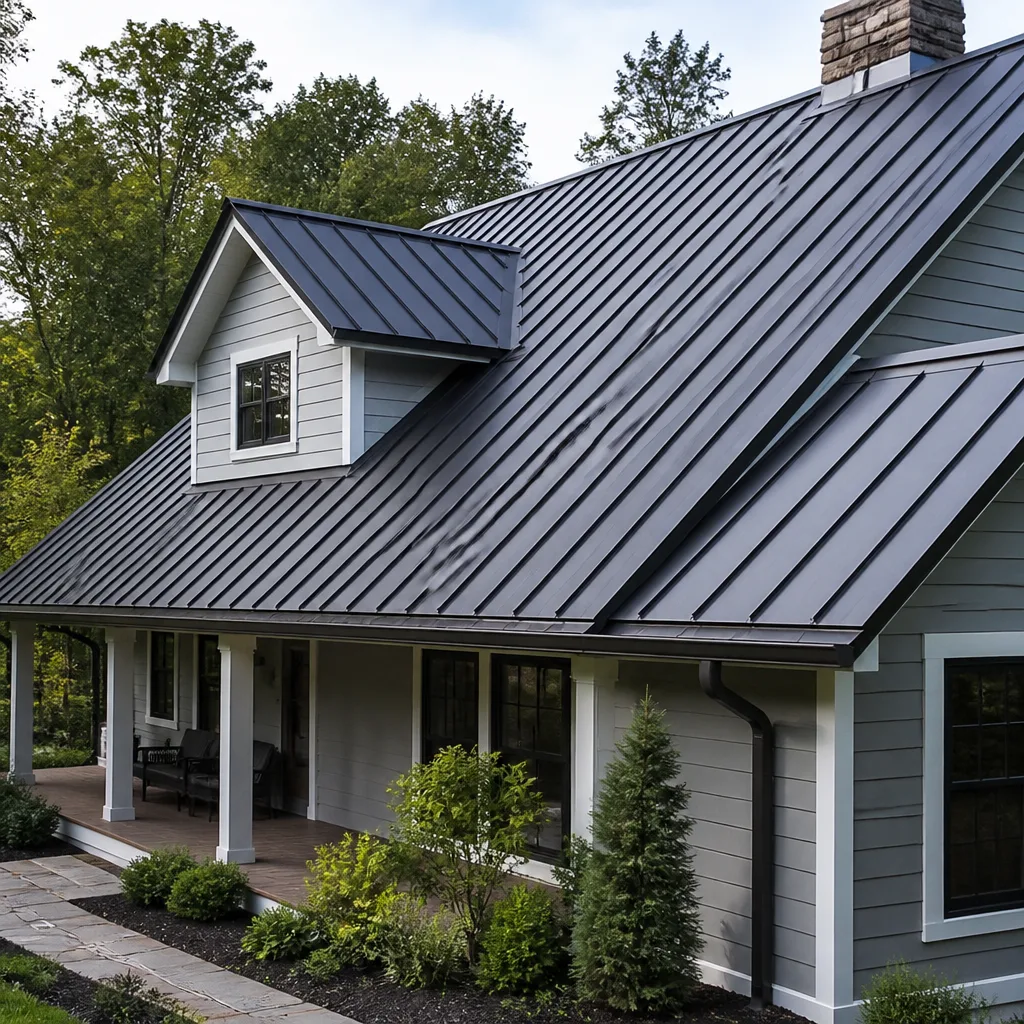 Metal roofing
 Architectural shingles
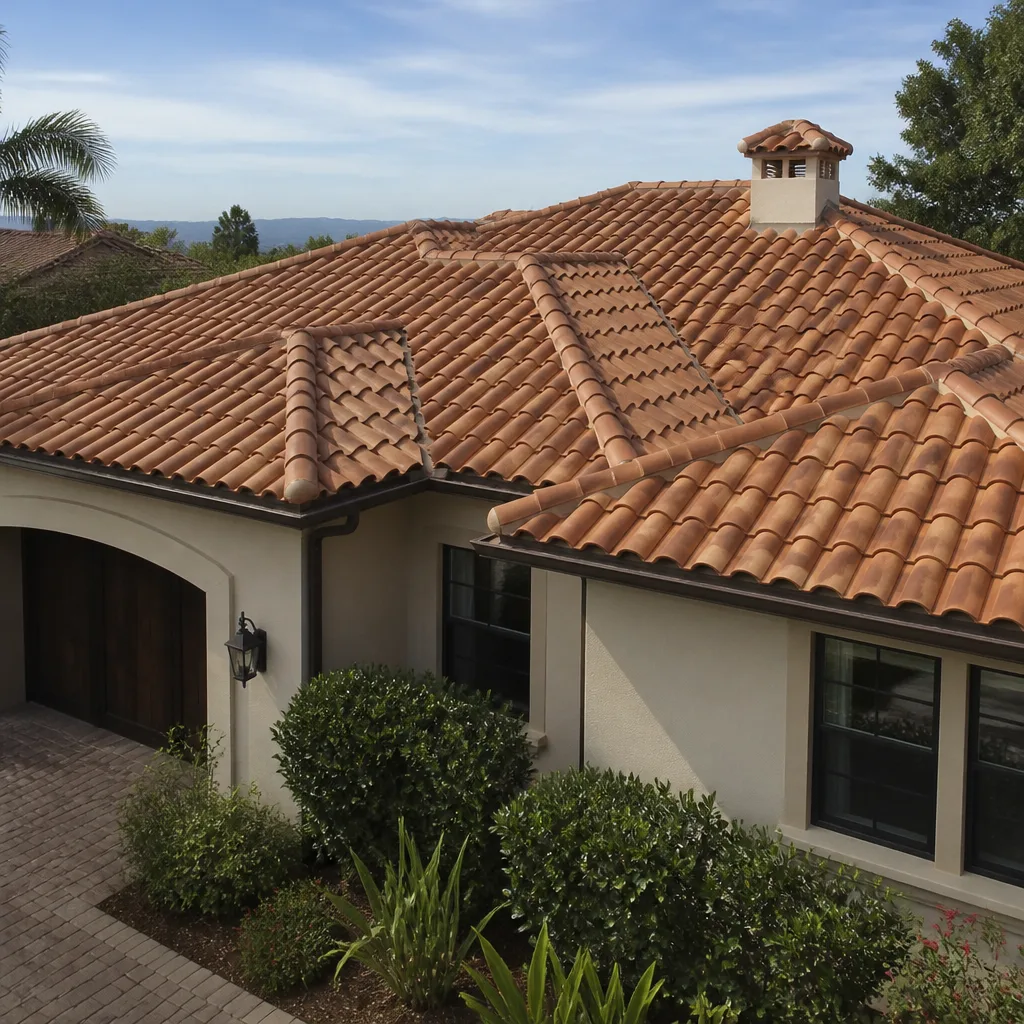 Tile roofing
 GAF
 Owens Corning
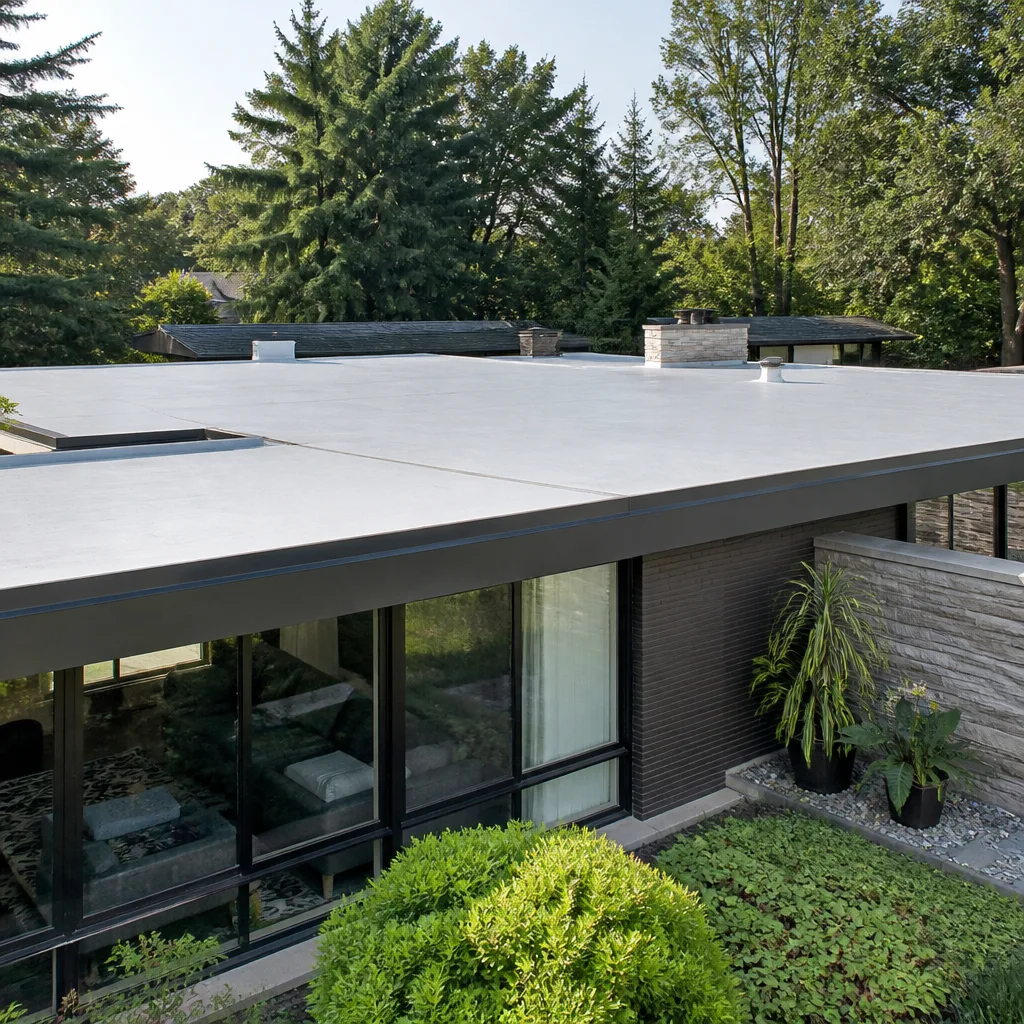 Flat & low-slope
Free roof inspection with deck photos before we talk money - GAF and Owens Corning certified installation
Roofing Warning Signs: A Ontario Homeowner’s Reference Guide
The warning sign Ontario homeowners call about most, curling or buckling shingles, is often the last visible indicator of a failure sequence that started inside the attic six to eighteen months earlier. By the time a shingle curls enough to notice from the street, moisture has usually already been working on the decking, the underlayment, and possibly the insulation. This guide ranks roofing warning signs by urgency, not by how easy they are to spot. You’ll learn which signals demand a call within 48 hours, which ones can wait for a scheduled inspection, and how Ontario’s specific climate turns minor roof issues into structural problems faster than homeowners expect. We’ll also cover the interior warning signs that precede exterior damage, which most guides skip entirely.
Quick Answer
The most urgent roofing warning signs in Ontario are water stains on ceilings or walls, daylight visible through attic boards, and granule loss heavy enough to expose the shingle mat, because these indicate active water intrusion or advanced shingle failure. Curling shingles, while concerning, are usually a mid-urgency signal that gives you a 2 to 6 week window to schedule an inspection. Any sign of water inside the home warrants a call to a roofing professional within 48 hours.
Styles & brands we work with
Table of Contents
- The Urgency Tier System: What Needs a Call Now vs. What Can Wait
- Interior Warning Signs That Precede Exterior Damage
- Wind Damage vs. Heat Damage vs. Age Damage in Ontario’s Climate
- Gutter Granule Accumulation: Normal Wear vs. Shingle Failure
- Warning Signs Specific to Ontario’s Flat-Roof Ranches
- The Attic Inspection: What to Look for in 20 Minutes
- Common Mistakes to Avoid
- When to Call a Professional
- Frequently Asked Questions
The Urgency Tier System: What Needs a Call Now vs. What Can Wait
Not every roofing warning sign is an emergency. Treating them all as equal leads to two bad outcomes: either you panic and pay for rush work that could have been scheduled, or you underreact and let a small leak become a ceiling replacement. We’ve organized the warning signs into three tiers based on how much damage each one can do per week of delay in Ontario’s climate.
Tier 1: Call Within 48 Hours
These signs indicate active water intrusion or structural compromise. Every day of delay increases repair cost and interior damage.
- Water stains on ceilings or upper wall corners. Water is already inside the home envelope. In Ontario’s winter rain season, a small leak can spread along ceiling joists and soak insulation within days.
- Daylight visible through attic roof boards. If you can see sky from inside the attic, water can see your attic too. This means a penetration large enough for rain to enter directly.
- Shingle mat exposed through granule loss. Once the fiberglass or organic mat is visible, the shingle has lost its UV barrier and water-shedding surface. Multiple exposed mats mean the roofing system is failing in that zone. This is the signal that a Roof Repair in Ontario call should happen immediately.
- Sagging roofline or interior ceiling. A dip in the roof plane or a bowed ceiling beneath it indicates structural weakening, often from long-term water damage to decking or rafters.
Tier 2: Schedule Within 2 to 6 Weeks
These signs indicate the roof is deteriorating but not yet actively leaking. You have time to get a documented inspection and compare material options, but don’t push it into the next storm season.
- Curling or buckling shingles. Widespread curling means the shingles are losing flexibility and the roof is in its last few years. Localized curling after a heat wave often means insufficient attic ventilation, which is correctable.
- Heavy granule accumulation in gutters or at downspout bases. Not the light dust you see washing down, but visible piles of granules after every rain.
- Flashing gaps or lifting. Flashing pulling away from the chimney, skylights, or valley lines means the sealant has failed. It’s not leaking yet, but the next wind-driven rain will find it.
- Moss growth on the north-facing slope. Ontario’s winter moisture and shaded slopes create moss-friendly conditions. Moss holds water against shingles and accelerates degradation.
Tier 3: Monitor and Reassess Seasonally
These signs are normal age markers. They don’t require immediate action, but they should be documented so you can track progression.
- Light granule shedding within the first 2 years of installation. New shingles release excess surface granules early. This settles down.
- Slight edge wear on a roof that’s 15 years old. Expected, but worth noting at the next Roof Inspection in Ontario.
- Minor dimpling from hail that doesn’t break the shingle surface. Cosmetic, not structural, in most cases.
- Fading color. UV exposure changes shingle color over time. It’s aesthetic, not functional, unless the fading is paired with brittleness.
Ontario’s climate accelerates Tier 2 items during the hot, dry summer months. Temperatures regularly exceed 100°F in July and August, which bakes shingles from above while attics trap heat from below. Curling that appears after one heat wave tends to progress through the fall and fail during the winter rain season.
Interior Warning Signs That Precede Exterior Damage
Here’s what most Ontario roofing guides miss: the roof talks to you from inside the house first. Months before a shingle lifts or flashing fails visibly, the attic and ceiling are sending signals. Homeowners who read these interior signs catch problems when a repair costs hundreds of dollars instead of thousands.
Attic Signals
- Indoor heat retention in summer. If your second floor or single-story home stays warm long after sunset, even with air conditioning running, the attic is likely not venting. Heat builds up under the roof deck, transfers down through insulation, and cooks shingles from the underside. This is the primary cause of premature shingle curling in Ontario.
- Condensation on attic surfaces in winter. Warm air leaking from the living space into a cold attic creates condensation on roofing nails, decking, and trusses. Look for water droplets or frost on the underside of the roof deck on cold mornings.
- Damp or compressed insulation. Insulation that’s matted down or feels damp loses R-value and signals moisture has been present. In Ontario’s winter rain months, a small flashing leak can soak a section of insulation and never show on the ceiling for months.
Ceiling and Wall Signals
- Bubbling or peeling ceiling paint in a circular pattern. Water pools at a low point and pushes paint upward. The stain may not be dark yet, but the bubble means moisture has reached the drywall layer.
- Staining that appears and then dries between storms. This is the most dangerous signal because homeowners dismiss it. “It went away” means the leak is still there, but the water evaporated between rain events. The next sustained storm will bring it back worse.
- Staining at the junction of an exterior wall and the ceiling. This location points to a flashing failure at the roofline or a clogged eave area where water backs up under the shingles.
- Brown rings with lighter centers on a ceiling. Multiple rings indicate multiple wet-dry cycles. The roof has been leaking intermittently for a while.
Why Interior Signs Appear First in Ontario
Ontario’s rainfall comes in concentrated bursts during winter and early spring. A roof leak that’s active for 48 hours during a storm may dry completely for the following three weeks of sun. The ceiling stain appears, fades, and gets forgotten. But the decking under the shingles stays damp longer than the visible stain suggests, because Ontario’s low humidity in summer doesn’t reach the trapped moisture under the roof surface. By the time the exterior damage is obvious, the decking has often started to rot.
Wind Damage vs. Heat Damage vs. Age Damage in Ontario’s Climate
Different types of damage require different repair paths and carry different costs. A homeowner who can correctly categorize the damage avoids paying for a full replacement when a targeted repair would solve it, or accepting a patch job when the roof is end-of-life.
Wind Damage
Ontario sees its strongest winds during Santa Ana events in the fall and passing winter storm fronts. Wind damage has specific characteristics:
- Shingles missing entirely, not just lifted. Strong gusts break the sealant bond and peel shingles off, often in a line along the slope.
- Lifted shingles that lay back down after the storm. The sealant bond is broken. It hasn’t re-sealed, and the next wind event will take those shingles off.
- Creased or folded shingles. A shingle that flapped in the wind develops a crease at the bend point. It looks intact from the ground but is compromised.
- Debris impact marks. Tree branches, palm fronds, or loose objects hitting the roof during high wind leave scrape marks or punctures.
Wind damage repair is usually localized. The fix is modular: replace the damaged shingles, re-seal the lifted ones, and document everything. Cost is typically in the low hundreds per event. However, if wind damage is layered on top of advanced age, the roof may not be repairable without causing more damage, because old shingles are too brittle to lift and splice.
Heat Damage
Ontario’s summer heat is a slow, constant force. Heat damage doesn’t announce itself the way wind damage does, but it’s more common in this climate.
- Curling at shingle edges. The shingle loses volatile compounds and shrinks. Edges curl upward as the material contracts.
- Buckling along the roof deck seams. Decking expands and contracts with heat and moisture, pushing shingles upward in ridges that run across the slope.
- Blistering. Small raised bumps on the shingle surface where trapped moisture or air expanded under heat. Blisters that pop leave pits that collect water.
- Loss of flexibility. A shingle that should bend under hand pressure cracks instead. This is a tactile test done during an inspection, not something visible from the ground.
Heat damage is systemic. It usually affects the entire roof surface, not just one area. The repair path is different: if curling and brittleness are widespread, you’re not repairing shingles, you’re planning a Roof Replacement in Ontario. If the curling is isolated to one slope, the fix might be an attic ventilation correction plus localized shingle replacement. We inspect first to determine which path applies.
Age Damage
Age damage is the baseline that both wind and heat damage build on. An asphalt shingle roof in Ontario’s climate typically lasts 15 to 22 years depending on ventilation quality, slope orientation, and material grade.
- Uniform granule loss with exposed mat. The entire roof has worn at the same rate, not just one area. This is end-of-life wear.
- Thin, brittle edges that break off in chunks. The shingle is losing mass, not just color.
- Multiple small repairs needed across different slopes. When you’re calling for repairs three times a year in different areas, the roof is telling you it’s time to plan replacement.
- Color variation from old patch jobs. Previous homeowners repaired with whatever was available. The mismatched areas are often the first to fail again.
Age damage is a replacement conversation, not a repair conversation. The good news: because Hawk Roof Repair works with seven leading brands including GAF, CertainTeed, Owens Corning, IKO, Atlas, Tamko, and Boral, a replacement can be matched to your home’s existing aesthetic or your budget without locking into a single product line. The right material for your roof, not the one a contractor happens to stock.
Gutter Granule Accumulation: Normal Wear vs. Shingle Failure
Every Ontario homeowner who cleans their gutters sees granules. Some granule loss is completely normal, especially in the first two years after installation and during spring runoff. But there’s a threshold where granule accumulation stops being seasonal wear and becomes a shingle failure signal.
What’s Normal
- Light granule dust mixed with sediment. A thin layer of dark particles at the bottom of the gutter, mixed with dirt and organic material. This is normal.
- Heavier granule washing during spring storms after a hot summer. The expansion and contraction of summer loosens surface granules, and winter rains flush them. A one-time heavier load is not alarming.
- Granules concentrated at the downspout outlet. This is where granules washed from the entire gutter length accumulate. Concentration at the outlet is expected.
What Signals Shingle Failure
- Piles of granules at the base of downspouts after every rain event. Not a film. Piles. This means a large surface area of shingles is shedding continuously.
- Bald spots on shingles visible from the ground. The mat is exposed and dead. The shingle is no longer protecting the roof deck.
- Uneven granule loss: one slope is shedding heavily while the opposite slope sheds lightly. This points to a ventilation imbalance or a specific microclimate issue on one side, not uniform aging.
- Granules in the gutter that are mixed with fiberglass fibers. Once the mat starts dissolving, you’re seeing structural shingle failure, not cosmetic wear.
A Practical Test for Ontario Homeowners
- Clean your gutters completely in late summer, before the Santa Ana winds start.
- After the first significant winter rain, check the downspout bases.
- If you see more than a cup of granules per 50 feet of gutter run, document it with photos.
- Repeat the check after the second rain. If the same volume appears again, your shingles are in active failure and a Roof Inspection in Ontario is the next step.
This test gives you a baseline. Without it, homeowners either panic over normal loss or miss the shift from normal to failing. We’ve seen Ontario homeowners delay replacement by two years because they assumed constant granule loss was just “what roofs do.” It isn’t. At a certain point, the roof stops protecting and starts degrading.
Warning Signs Specific to Ontario’s Flat-Roof Ranches
Ontario has a significant stock of mid-century ranch homes with low-slope or flat roof sections, particularly in the older neighborhoods west of Mountain Avenue and the areas around De Anza Park. Flat roofs have warning signs that don’t apply to pitched roofs, and pitched roofs have signals that don’t translate to flat ones. Knowing which roof type you have changes the entire diagnostic process.
Flat Roof Warning Signs (Low-Slope or Built-Up Roof Systems)
- Ponding water that remains 48 hours after rain. A properly sloped flat roof drains within a day. Standing water accelerates membrane degradation and eventually finds a seam or penetration. This is the most common flat roof killer in Ontario, where long dry spells allow ponded water to evaporate, hiding the problem between rains.
- Blisters or bubbles in the membrane surface. These indicate moisture trapped within the roof layers. In Ontario’s heat, trapped moisture expands and creates pressure blisters that eventually split open.
- Cracking or alligatoring of the surface coating. The UV-protective top layer breaks down into a pattern that looks like alligator skin. The underlying membrane is now exposed to direct sun.
- Punctures or wear around rooftop equipment. AC units, swamp coolers, plumbing vents, and satellite dishes all require penetrations through the flat roof. The flashing and sealant around these penetrations are common failure points in Ontario’s temperature swings.
Pitched Roof Warning Signs That Don’t Apply to Flat Roofs
- Curling shingles. Flat roofs don’t use shingles. If you have a flat roof, this sign is irrelevant. You’re looking for membrane issues, not shingle issues.
- Missing shingles after wind events. Flat roofs use rolled membranes. Wind damage appears as lifted membrane edges or torn seams, not missing tabs.
Flat Roof Repair vs. Replacement Signals
A flat roof with 1 to 3 small blisters or a minor puncture can often be repaired with localized patching. But once you see alligatoring across more than 30 percent of the surface, or ponding water in multiple areas, you’re looking at a replacement conversation. Flat roof materials vary widely in cost and lifespan, and Hawk’s multi-brand access means you can compare material options like Boral roofing products against other systems without being limited to what a single-brand contractor sells.
The Attic Inspection: What to Look for in 20 Minutes
The attic is the most honest diagnostic surface in your home. It shows what the roof hides. A 20-minute attic walk with a flashlight will tell you more than an hour of staring at the roof from the ground. Here’s a focused inspection sequence for Ontario homeowners.
Step 1: Enter the Attic on a Cool Morning
Ontario’s summer afternoons make an attic bake. Go in early, before the sun has had hours to build heat. Bring a bright flashlight and a camera. Your phone camera is fine, but take photos you can reference later.
Step 2: Check for Daylight First
Turn off any attic light and let your eyes adjust for a minute. Scan the roof deck for pinholes of light. Any light penetration is a water penetration point. Mark the location mentally or with a piece of tape. This is the single most important check you can do.
Step 3: Look at the Nails
Roofing nails protruding through the deck often show moisture first. On cold mornings, nails may be coated with frost or water droplets. Rusty nail shafts or rust stains on the wood around nails mean condensation or leaks have been active. In Ontario’s dry climate, condensation on nails is almost always a ventilation issue, not a leak.
Step 4: Check Insulation Condition
Walk the perimeter carefully on the joists. Look for insulation that’s wet, matted, or darker than surrounding areas. Wet insulation loses its thermal resistance and holds moisture against the decking. This is how a small leak becomes a structural problem.
Step 5: Examine the Decking
Look for dark staining on the underside of the roof deck. Dark stains indicate past water intrusion that has dried. Active leaks show as wet spots or water trails. Multiple dark stains across different areas suggest the roof has leaked from several points over time, which is a systemic signal.
Step 6: Check Ventilation
Confirm you have both intake and exhaust ventilation. Intake is typically at the soffits or eave edges. Exhaust is at the ridge or upper roof surface. In Ontario, insufficient ventilation is the leading cause of premature shingle failure. If you only see exhaust vents and no clear intake path, your attic is starving for airflow, and your shingles are aging faster than they should.
After your attic walk, if you’ve found daylight, wet insulation, or widespread staining, schedule a professional inspection. Hawk Roof Repair does standalone Roof Inspection in Ontario work, meaning the documentation is yours whether you proceed with repairs or not. No pressure-selling from the ladder. The inspection finds the problem, scopes the fix, and you decide the next step.
Common Mistakes to Avoid
- Waiting until you see a ceiling stain before investigating the roof. By the time water reaches the ceiling, it’s passed through decking and insulation. The interior stain is the endpoint of a process that started months earlier. Ontario homeowners who act on attic signals catch problems at the repair stage instead of the replacement stage.
- Assuming a roof that isn’t leaking doesn’t need attention. A roof can be failing structurally and still keep water out. Exposed shingle mats, widespread granule loss, and curling edges all indicate active degradation that hasn’t yet breached the deck. Leaks are the final symptom, not the first.
- Ignoring granules in the gutters as “normal.” The baseline test we outlined earlier exists for a reason. Without tracking granule volume over time, you can’t distinguish normal wear from active failure.
- Treating all curling as end-of-life. Curling caused by insufficient ventilation on one slope is fixable. Curling across every slope on a 20-year-old roof is replacement. Misdiagnosing either direction costs money.
- Patch-repairing a roof that’s reached systemic failure. When shingles are brittle, new patches don’t bond properly and surrounding shingles break during the repair. We’ve seen homeowners throw money at repeated patch jobs on roofs that needed replacement two years earlier.
- Waiting until after the Santa Ana season to inspect wind-damaged areas. Santa Ana winds in fall can lift shingles that aren’t caught until winter rains expose them. A post-wind-season inspection costs a fraction of the water damage that a failed shingle causes in the first winter storm.
- Accepting a quote without a documented inspection. Any roofer who prices a repair or replacement without first inspecting the attic, the decking, and the flashing is guessing. A documented inspection gives you a scoped scope of work, which protects you from change orders later.
When to Call a Professional
Call a professional immediately if you see water stains on ceilings or walls, daylight through attic boards, or exposed shingle mat across a visible portion of the roof. Call within a few weeks if you see widespread curling, heavy granule accumulation, or flashing pulling away from penetrations. If your roof is over 15 years old and you’ve never had a documented inspection, now is the time, regardless of visible signs. Hawk Roof Repair offers free estimates in Ontario. Call (877) 731-1384 to schedule your inspection.
Frequently Asked Questions
A standalone roof inspection in Ontario typically ranges from free to $250 depending on the roofer’s policy and scope. Hawk Roof Repair offers free estimates, and our inspection service is a standalone offering, meaning the documentation is yours whether you proceed with repairs or not. Call (877) 731-1384 to schedule.
An asphalt shingle roof in Ontario typically lasts 15 to 22 years depending on attic ventilation quality, slope orientation, and the original material grade. South-facing slopes in Ontario age faster due to constant sun exposure, and roofs with poor attic ventilation can fail in as few as 12 years.
You can perform a basic attic inspection, which we outline in this guide, and a ground-level visual check. But a professional roof inspection includes walking the roof surface, testing shingle flexibility, examining flashing seals, and evaluating decking condition from the top side, which requires training and proper safety equipment.
Curling shingles on one slope often indicate a ventilation problem and can be repaired locally. Curling across every slope on a roof 15 years or older is a replacement signal. The determining factor is the age of the roof and the extent of the curling. An inspection establishes this clearly.
Granule loss means the shingle’s protective mineral surface is eroding, and the underlying asphalt layer is being exposed to UV radiation. Light loss is normal; heavy, continuous loss with exposed mat signals shingle failure. The test we outline in the gutter section gives you a baseline for monitoring.
If ponding water disappears within 24 to 48 hours and the membrane shows no cracking or blistering, localized repairs may suffice. If ponding persists beyond 48 hours or you see alligatoring and blisters, the roof system is degrading and replacement should be evaluated.
The Bottom Line
Ontario homeowners read roofing warning signs backward. They focus on what’s visible from the street and miss what’s happening inside the attic and on the ceiling. The sequence that matters starts with ventilation and moisture signals months before a shingle shows visible wear. Catch it at the attic stage, and you’re paying for a repair. Miss it until the ceiling stains, and you’re often looking at decking replacement, insulation replacement, and a full re-roof. The intervention points are clear: inspect the attic annually, track granule loss with a simple baseline test, and treat interior moisture signals as urgent. Hawk Roof Repair inspects first. Every time. No ladder-top sales pitch. One company handles inspection, repair, and replacement, whichever stage your roof is at. Seven leading brands means you choose the material that fits your home and budget, not the one we happen to stock.
Written by the team at Hawk Roof Repair, serving Ontario since 2017.
See the difference
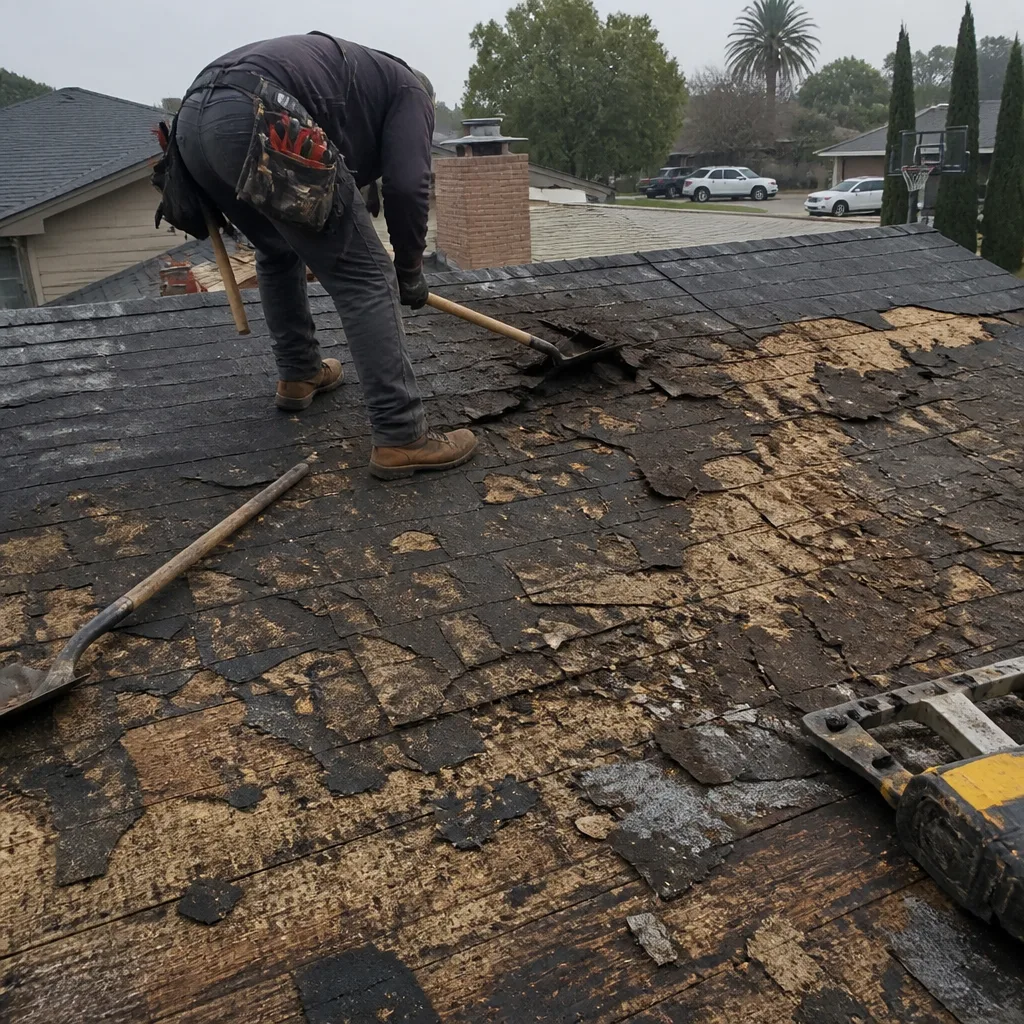 Before
 After
 Before
 After
 Before
 After