
Last updated October 30, 2026
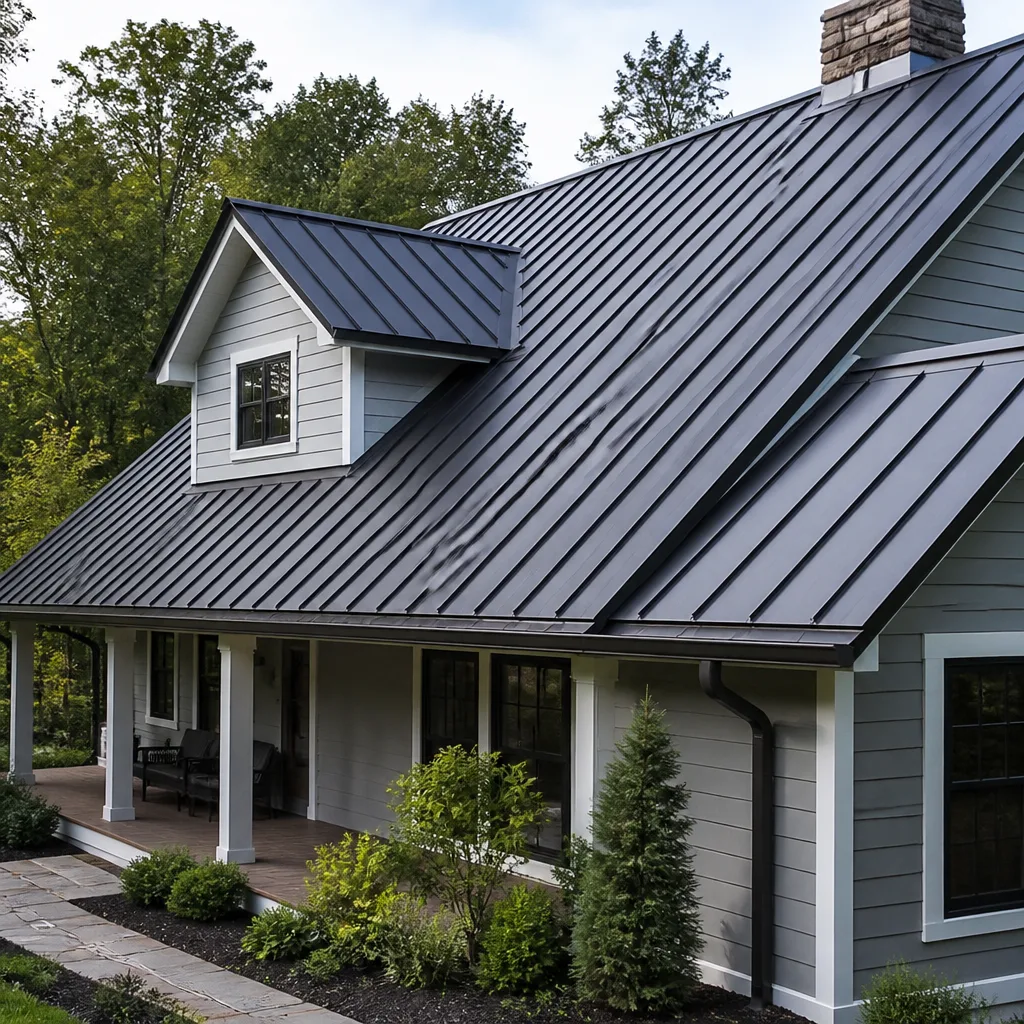 Metal roofing
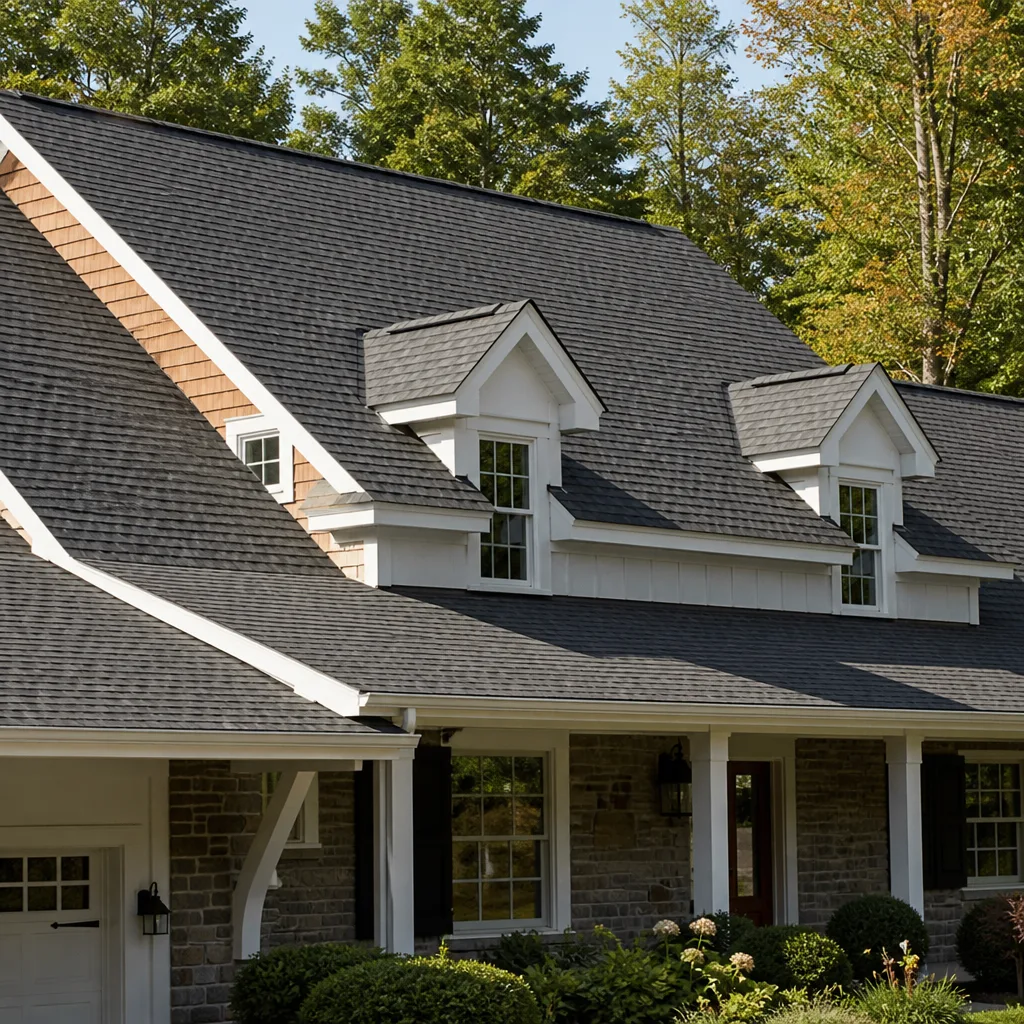 Architectural shingles
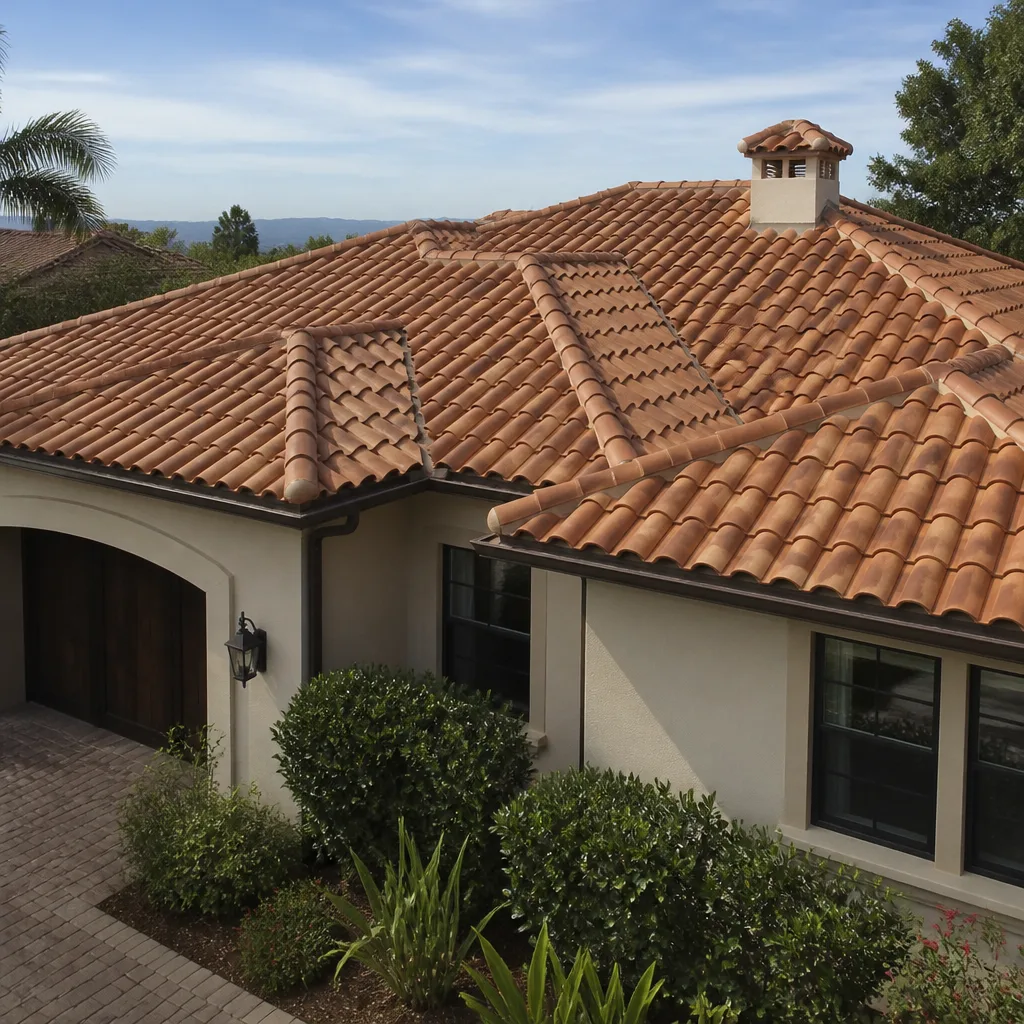 Tile roofing
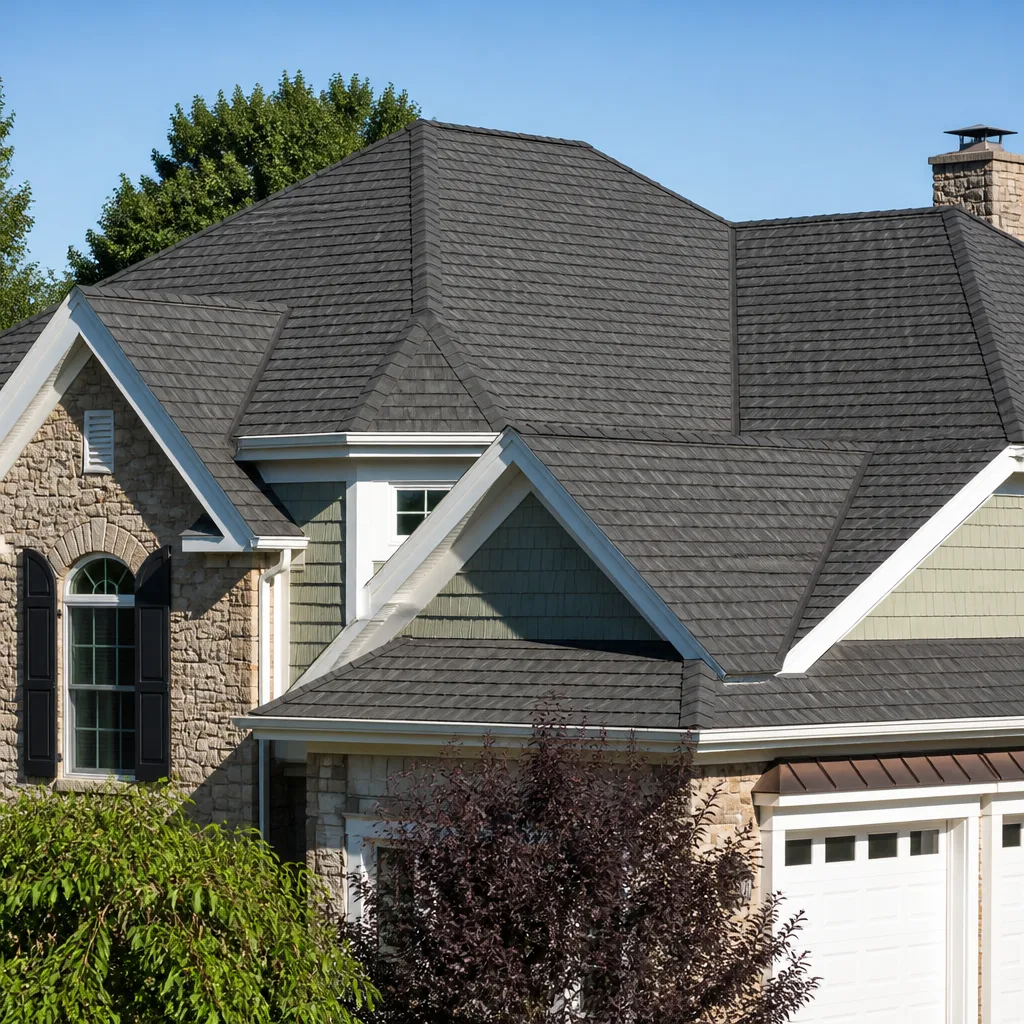 GAF
 Owens Corning
 Flat & low-slope
Free roof inspection with deck photos before we talk money - GAF and Owens Corning certified installation
Roofing Cost Breakdown: The Ontario Homeowner’s Reference for 2026
The average Ontario re-roof quote covers materials and labor, but roughly 60% of tear-offs in older Inland Empire homes uncover decking damage or improper prior repairs that add $800 to $3,000 before the new roof goes on. That’s not contractor dishonesty. It’s the reality of homes built in the 1960s through 1990s across Ontario, where decades of high-desert heat, Santa Ana winds, and occasional monsoon-driven downpours have worked on roof decks in ways a quick ladder inspection can’t fully reveal. This guide walks through every line item, every hidden cost category, and every material choice so you can budget for the roof you’ll actually end up with, not the one on the first quote. For roofing warning signs every Ontario homeowner should watch for, see our companion reference.
Styles & brands we work with
Quick Answer
A full roof replacement in Ontario, CA currently runs between $8,500 and $28,000 for a typical 1,500 to 2,500 sq ft home, with asphalt shingles landing at $390 to $620 per square (100 sq ft), tile at $800 to $1,400 per square, and metal at $900 to $1,600 per square. The final number depends on material choice, decking condition, roof pitch, and whether hidden damage surfaces during tear-off. Expect permit fees of $250 to $600 and disposal costs of $400 to $900 on top of the base quote.
Table of Contents
- Asphalt Shingle Costs in Ontario for 2026
- Tile Roofing Costs: The Ontario Standard
- Flat Roof (TPO) and Metal Roof Cost Ranges
- The Hidden Cost Categories Most Quotes Leave Out
- How Material Choice Affects Long-Term Cost in Ontario’s Climate
- The Brand-Exclusive Markup Problem: Why Some Quotes Come In 15 – 25% High
- How to Compare Three Quotes That All Look Different
- Common Mistakes to Avoid
- When to Call a Professional
- Frequently Asked Questions
- The Bottom Line
Asphalt Shingle Costs in Ontario for 2026
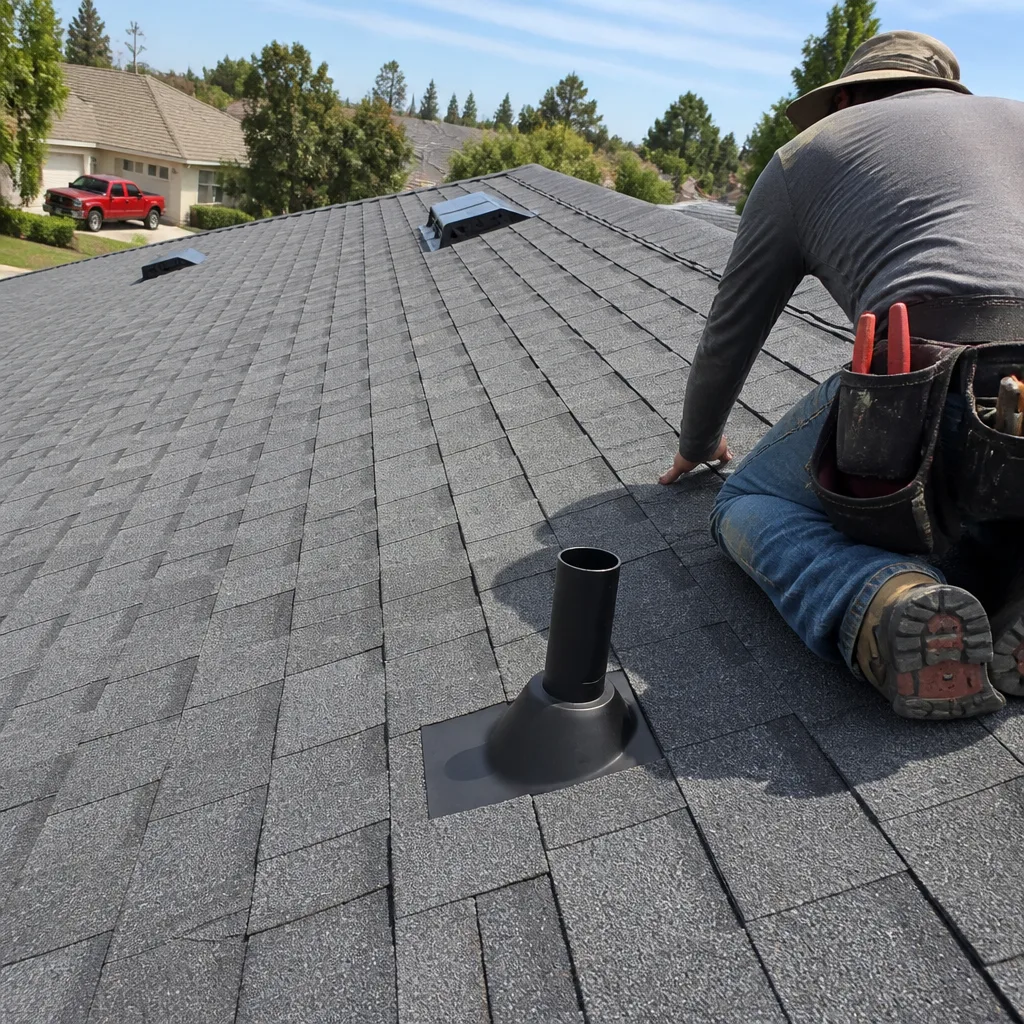
Asphalt shingles remain the most common roofing material in Ontario for a straightforward reason: they deliver the best balance of upfront cost, lifespan, and ease of repair. For 2026, expect to pay $390 to $620 per square (a square is 100 sq ft of roof area) installed, which includes tear-off of the old roof, underlayment, shingles, flashing, and basic cleanup. A 2,000 sq ft home with a moderately pitched roof typically has 22 to 26 squares of roofing, putting the full replacement at $8,500 to $16,000.
The 2026 numbers reflect two years of steady material price increases from manufacturers. Asphalt shingle costs have climbed roughly 7% since 2024, driven largely by petroleum-based asphalt pricing. Labor rates in the Inland Empire have moved up as well, with experienced crews commanding higher pay during peak season from April through October.
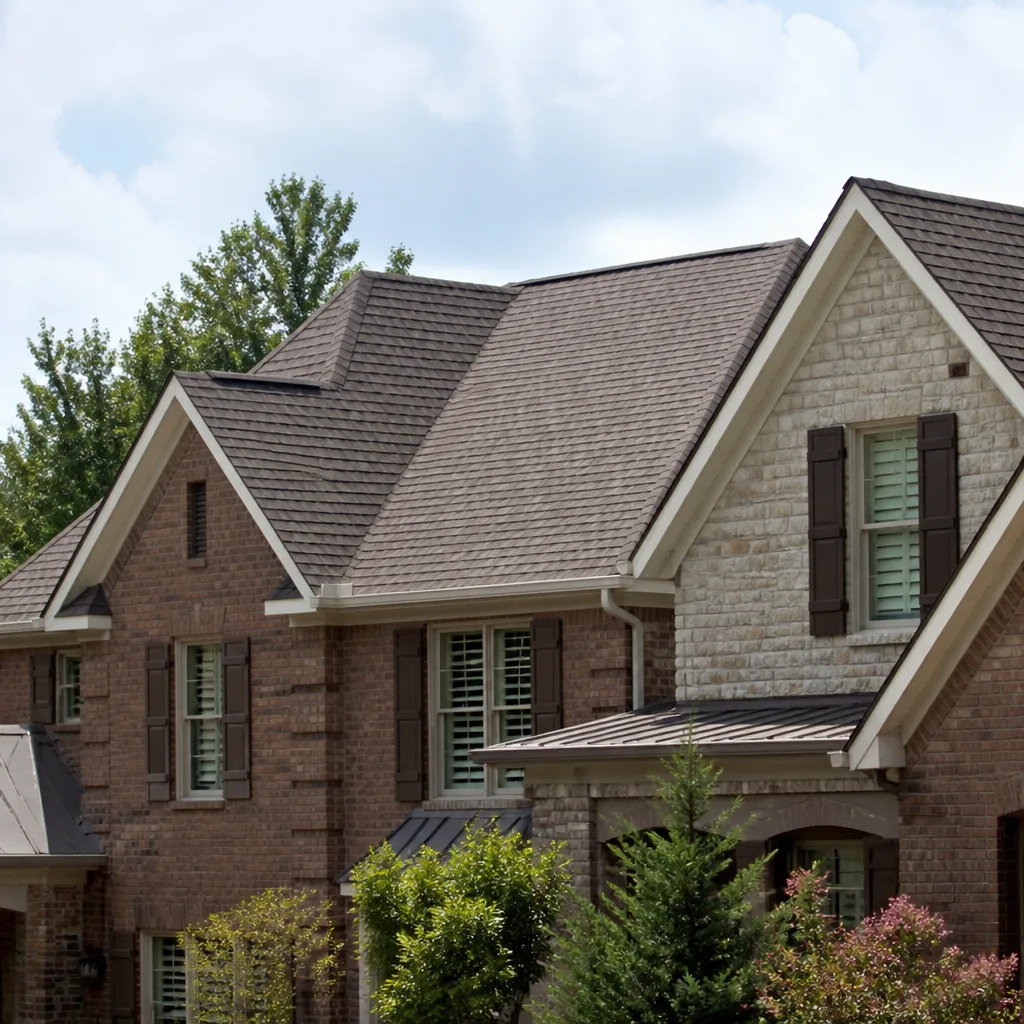
Architectural shingles, which now outsell the older three-tab style by a wide margin, sit at the top of the asphalt range. They carry 30-year to lifetime manufacturer warranties and hold up better in Ontario’s summer heat, where rooftop temperatures regularly exceed 150°F. Three-tab shingles cost less, usually $390 to $450 per square, but the savings shrink when you factor in the shorter lifespan and higher likelihood of wind damage during Santa Ana events.
Tile Roofing Costs: The Ontario Standard
Tile is everywhere in Ontario, particularly in developments built from the 1970s through the 1990s across the Creekside, Ranch at Ontario, and Archibald Ranch neighborhoods. Concrete tile roofs dominate those communities because they handle the high-desert sun better than anything else, often lasting 50 years or more. That longevity comes with a price: $800 to $1,400 per square installed for concrete tile in 2026, with clay tile running higher at $1,200 to $1,800 per square.
The full replacement cost for a tile roof on a 2,000 sq ft Ontario home lands between $18,000 and $38,000 depending on tile weight, profile, and the condition of the existing underlayment. Underlayment is the critical variable. Tile itself rarely fails. The felt or synthetic underlayment beneath it degrades over 20 to 30 years in Ontario’s dry heat, and when it goes, water gets through even though the tiles look fine from the street.
One cost factor homeowners often miss: weight. Concrete tile adds significant structural load. If a home was originally built with tile, the framing was engineered for it. If you’re switching from asphalt to tile, you may need structural reinforcement, which can add $2,000 to $6,000 depending on what the engineer finds. We recommend an inspection before committing to a material change, which is why Roof Inspection in Ontario is one of our core services, offered as a standalone so you get an honest material recommendation without an upsell attached.
Flat Roof (TPO) and Metal Roof Cost Ranges
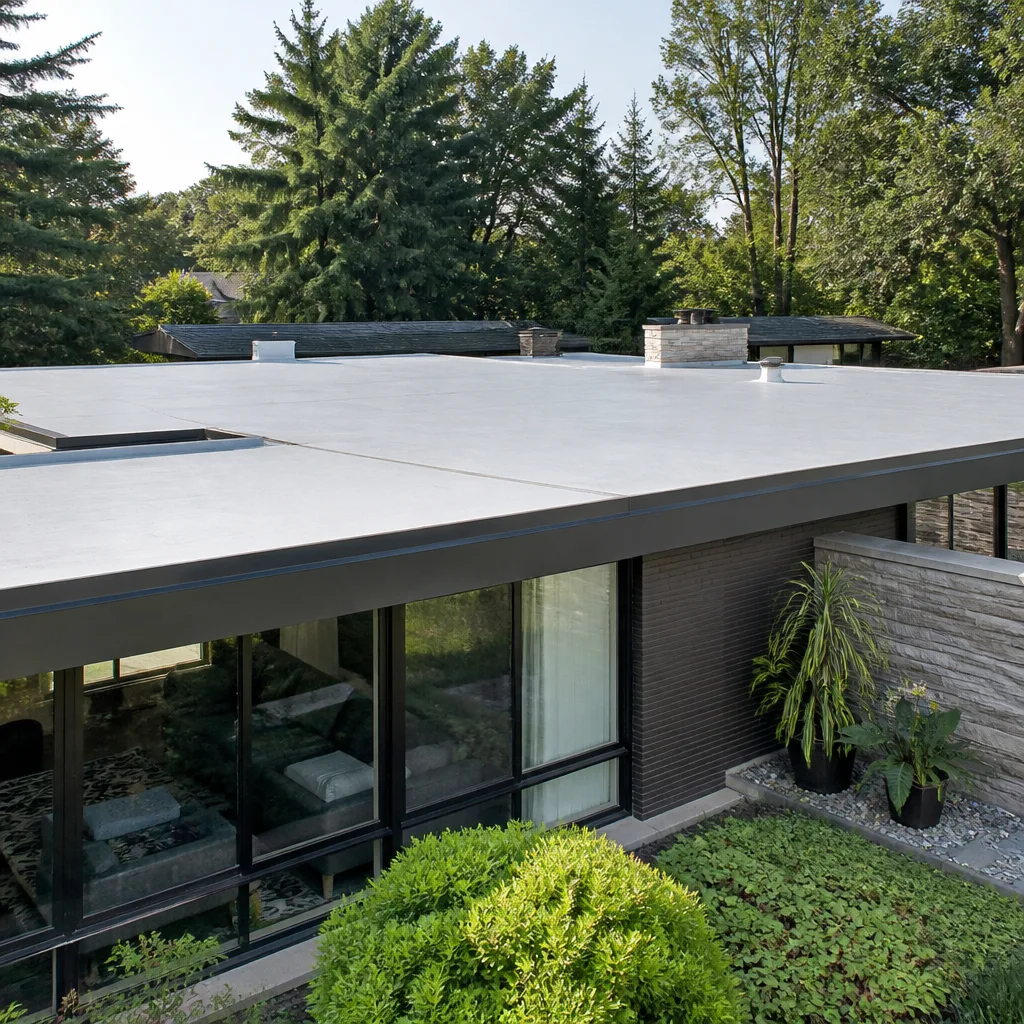
Flat and low-slope roofs are less common on Ontario’s single-family homes, but they show up on additions, porches, mid-century builds, and a growing number of modern designs. For 2026, TPO (thermoplastic polyolefin) flat roofing runs $550 to $750 per square installed, which includes insulation board where needed and heat-welded seams. A typical 1,500 sq ft flat roof replacement lands at $8,000 to $11,500.
TPO has become the default flat-roof material because it reflects heat far better than older modified bitumen or built-up roofs. In Ontario, where summer cooling costs are the largest energy expense, a white TPO membrane can reduce attic temperatures enough to trim air conditioning bills. It’s not a dramatic savings, but over a 20-year membrane lifespan it matters.
Metal roofing runs the widest range of anything we install. Standing-seam steel starts at $900 per square and can reach $1,600 per square for premium aluminum or coated steel systems. A full standing-seam roof on a 2,000 sq ft home runs $20,000 to $35,000. Metal excels in Santa Ana wind conditions and carries 40 to 70-year lifespans, but it is a specialty installation requiring different fastening, underlayment, and flashing techniques than shingle or tile. If you’re considering metal, Roof Replacement in Ontario covers the material options and what to expect during installation.
The Hidden Cost Categories Most Quotes Leave Out
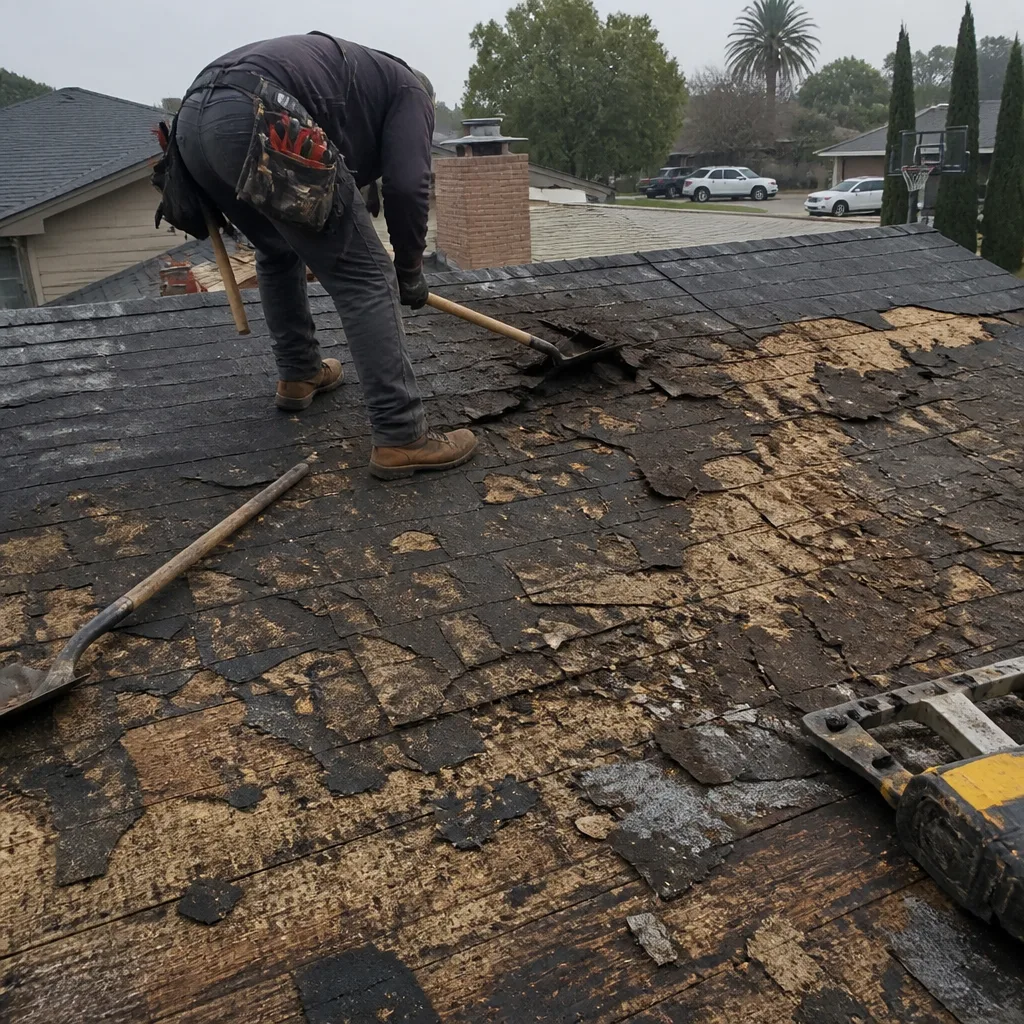
Here is where the gap between quote and final invoice lives. A base quote covers the visible scope: shingles, underlayment, labor, and basic cleanup. What it often doesn’t cover is everything discovered once the old roof comes off. In our experience tearing off roofs across Ontario, we find hidden conditions on more than half of homes built before 2000. Here are the categories to budget for:
- Decking replacement: Rotted, delaminated, or improperly spaced sheathing costs $2 to $4 per sq ft to replace. A 2,000 sq ft home with 30% compromised decking adds $1,200 to $2,400. Older Ontario homes with original 3/8-inch plywood often need full re-decking to meet current code, which can push $4,000 to $6,000.
- Flashing upgrades: Chimney, valley, and wall flashing from the 1980s and 1990s is frequently galvanized steel that has corroded through. Replacing all flashing on a typical home costs $600 to $1,800. Cheaper quotes often reuse old flashing, which is a false economy on a roof meant to last 30 years.
- Permit fees: The City of Ontario charges $250 to $600 for a re-roof permit depending on roof size and scope. Some contractors quote without permits. That’s a red flag, not a savings. Unpermitted work creates problems at resale and with insurance claims.
- Disposal and dump fees: A tear-off produces 5 to 8 tons of debris. Dump fees in the Inland Empire run $400 to $900 per roof. Some quotes bury this cost; others itemize it. Make sure every quote you compare includes it.
- Underlayment upgrades: Basic felt underlayment costs $18 to $25 per square installed. Synthetic underlayment, which holds up far better during the gap between tear-off and shingle installation and in high-wind events, costs $35 to $55 per square. The upgrade adds $400 to $700 on a typical home.
How Material Choice Affects Long-Term Cost in Ontario’s Climate
The cheapest roof is rarely the least expensive roof. Ontario’s climate punishes roofing materials in specific ways: intense UV exposure, summer rooftop temperatures above 150°F, thermal cycling from hot days to cool high-desert nights, and periodic Santa Ana wind events gusting over 60 mph. Materials that handle these conditions cost more upfront but deliver meaningfully lower cost-per-year over their lifespan.
Here’s how the math works on a 2,000 sq ft home, assuming 22 squares of roofing:
- Three-tab asphalt: $8,500 to $10,000 installed. Lifespan in Ontario’s heat: 15 to 18 years. Annual cost: roughly $500 to $600. Higher repair frequency in the last five years.
- Architectural asphalt (premium line): $12,000 to $15,000 installed. Lifespan: 28 to 35 years. Annual cost: roughly $400 to $500. The $2 to $3 per square premium for a better asphalt line pays back through a lifespan nearly twice as long.
- Concrete tile: $20,000 to $30,000 installed. Lifespan: 45 to 55 years for the tile, though underlayment will need replacement around year 25 at $4,000 to $8,000. Annual cost including underlayment cycle: roughly $500 to $700.
- Standing-seam metal: $20,000 to $35,000 installed. Lifespan: 45 to 65 years. Near-zero maintenance. Highest wind resistance. Annual cost: $400 to $600.
The $2-per-square-foot premium between entry-level and premium asphalt is the single best value decision an Ontario homeowner can make on a re-roof. The premium lines, including those from manufacturers like GAF and Owens Corning, use heavier mats, better granule adhesion, and improved sealant strips that hold shingles in place during Santa Ana winds. Entry-level shingles in Ontario’s heat start losing granules by year 12 and begin failing by year 15. The premium line is still covering homes at year 30.
The Brand-Exclusive Markup Problem: Why Some Quotes Come In 15 – 25% High
Most roofing contractors in Ontario are tied to a single manufacturer through dealer programs or volume purchasing agreements. That arrangement has benefits, including streamlined warranty processing and crew training. It also has a cost, because the contractor can only quote one brand and one product line. If that brand’s pricing runs high this year, or if the contractor’s tier in the manufacturer program limits their discount, the homeowner absorbs the difference.
We see the result in quotes across Ontario: a contractor locked into one brand’s architectural line quoting $620 per square for a roof that a material-agnostic contractor using a comparable competing line can install at $520 per square. That’s a 15 to 20% gap on a $15,000 job, and the homeowner has no way to know it exists unless they see competing quotes from contractors with different brand relationships.
Hawk Roof Repair works with seven major roofing material brands, including Atlas, Tamko, Boral, and GAF, specifically so material choice follows the home’s needs and the homeowner’s budget rather than a supplier arrangement. A home in the Creekside neighborhood with a specific tile profile to match its neighbors isn’t forced into a different material because we don’t stock that tile. A homeowner wanting a premium asphalt line with a specific color and wind rating gets a quote for that exact product, not the closest alternative in one brand’s catalog. This approach changes the pricing conversation entirely. The quote is built around the right material for the roof, not the one we happen to stock.
How to Compare Three Quotes That All Look Different
Three contractors will give you three quotes that look impossible to compare. One itemizes every line. One gives a single lump sum. One splits the difference with vague categories. Here is the normalization method we recommend to Ontario homeowners, step by step:
- Ask every contractor for the same material spec. Pick a specific product before you request bids. For example: “Architectural asphalt, Class A fire rating, 110+ mph wind rating, synthetic underlayment.” When all three quotes cover the same material, the comparison becomes valid. If a contractor can’t quote that spec, they’re either locked into another brand or changing your scope.
- Confirm the square count on every quote. Roofers measure roofs differently. One might quote 22 squares, another 25. Ask for the measured roof area in squares and check it against the home’s footprint with a simple multiplier (footprint x pitch factor). A quote that’s 15% lower because it’s based on 15% fewer squares is not a better price, it’s an inaccurate scope that will lead to a change order mid-project.
- Create a line-item matrix. Put these categories in rows: tear-off, decking (stated assumption), underlayment type, shingle brand and line, flashing scope, ventilation, permit fees, disposal, warranty length. Put contractors in columns. Fill in every cell. Any empty cell is a question to ask before signing. A contractor who won’t fill in the matrix is not someone to hand five figures to.
- Check the warranty language. A “lifetime” warranty means different things from different manufacturers and different installers. Ask for the written warranty document and compare coverage for wind, algae, and workmanship. Some contractor workmanship warranties in Ontario run 2 years while others run 10. That difference is worth real money.
- Verify the permit line is present. Any quote for a full roof replacement in Ontario without a permit fee line is a quote from someone who plans to skip the permit. Walk away. The City of Ontario requires permits for re-roofs, and unpermitted work complicates resale and insurance claims down the line.
This five-step process takes an hour and routinely saves Ontario homeowners $2,000 to $8,000 by surfacing scope gaps and brand-lock markups before any contract is signed. If you want a second set of eyes on quotes you’ve already received, Roof Repair in Ontario walks through what we commonly find in local estimates and where the money goes.
Common Mistakes to Avoid
- Accepting the first quote without checking the material spec. The fastest way to overpay by 15 to 25% in Ontario is to sign a brand-exclusive quote without knowing what a comparable line from another manufacturer costs. Always get at least three bids with the same material spec.
- Confusing the roof size with the home’s square footage. A 2,000 sq ft home with a steep pitch and multiple valleys might have 24 squares of roofing. Budgeting based on the home’s footprint produces a quote estimate that’s off by thousands. Every estimate should be built from measured roof squares.
- Skipping the underlayment upgrade to save $500. Synthetic underlayment outperforms felt in Ontario’s wind events and during the vulnerable period between tear-off and shingle installation. Saving $500 on underlayment on a $15,000 roof is the definition of penny-wise.
- Not budgeting for decking replacement before the project starts. If you own a pre-2000 home in Ontario, assume there’s a 50% chance of some decking work. Setting aside $1,500 to $3,000 in contingency prevents a mid-project change order from becoming a financing crisis.
- Choosing a contractor based on the weather-based sales pitch. Door-knocking roofers working Ontario after major wind events often pressure homeowners into signing same-day contracts. A roof replacement is a 15-to-30-year decision. An inspection-first approach that documents actual damage, rather than selling from the ladder, is the standard to insist on.
- Ignoring the ventilation system. Ontario roofs fail early when attic ventilation is inadequate. Ridge vents and soffit vents need to be evaluated and often replaced during a re-roof. A quote that doesn’t mention ventilation is skipping a system that directly affects shingle lifespan in Ontario’s summer heat.
- Not verifying insurance and workers’ comp coverage before work starts. Every legitimate Ontario roofer carries liability insurance and workers’ compensation. Ask for certificates and confirm they’re current. A contractor without coverage who gets injured on your property becomes your financial problem.
When to Call a Professional
Some roofing situations clearly call for professional assessment rather than DIY investigation. If you see water stains on a ceiling, granules accumulating in gutters, shingles lifting after a wind event, or daylight visible through roof sheathing from the attic, get a professional inspection. These symptoms indicate the waterproofing system has already been compromised, and the damage is often worse beneath the surface than what’s visible from the ground. If your roof is past year 18 of an asphalt shingle lifespan or year 25 with tile underlayment, schedule an inspection before problems show up indoors. Roof work involves working at height and on pitched surfaces, which carries genuine fall risk. Professional roofers have the safety equipment, training, and insurance to do the work without putting homeowners at risk. Hawk Roof Repair offers free estimates in Ontario. Call (877) 731-1384 to schedule yours, whether you’re at the inspection stage or ready for replacement.
Frequently Asked Questions
A full roof replacement in Ontario costs $8,500 to $38,000 in 2026 depending on material choice and home size. Asphalt shingles on a typical 2,000 sq ft home run $8,500 to $16,000, concrete tile runs $18,000 to $30,000, and metal runs $20,000 to $35,000. These ranges include tear-off, materials, labor, and basic cleanup. Call (877) 731-1384 for a written quote specific to your roof, estimates are free.
Quotes change after tear-off when hidden conditions are discovered, most commonly rotted decking, corroded flashing, or improper prior repairs that weren’t visible before the old roof was removed. Ontario homes built before 2000 have a high rate of these hidden conditions. The best protection is a contractor who documents the likely scope during inspection and sets clear expectations for what triggering conditions will cost per square foot if discovered.
A reputable Ontario roofer will give you a fixed price with a written change-order process for anything discovered during tear-off, with per-square-foot pricing for decking replacement agreed upon before work begins. The price should only change if hidden conditions require additional scope, and that scope should be documented and approved by you in writing before the work proceeds. For an exact quote with clear change-order terms, call (877) 731-1384.
Yes, the City of Ontario requires a building permit for full roof replacements, with fees typically ranging from $250 to $600. Any roofer quoting a full replacement without a permit line item is planning to do unpermitted work, which creates problems with resale, insurance claims, and code compliance. Reputable contractors handle the permit as part of the standard scope.
Clay tile and standing-seam metal last longest in Ontario, with lifespans of 50 years or more and high resistance to the high-desert heat and Santa Ana winds that shorten the life of asphalt products. Concrete tile is close behind at 45 to 55 years, though its underlayment needs replacement around year 25. Premium architectural asphalt lands between 28 and 35 years, making it a solid value choice despite the shorter lifespan.
A complete Ontario roofing quote includes measured roof square count, tear-off and disposal, underlayment type and brand, shingle or tile brand and product line, flashing scope (valleys, chimneys, walls), ventilation assessment, permit fees, and warranty terms for both materials and workmanship. Any quote missing these line items is incomplete and should raise questions. If you want a second opinion on a quote, Roof Inspection in Ontario is available as a standalone service with no obligation attached to the findings.
The Bottom Line
Roofing costs in Ontario for 2026 come down to four variables: the material you choose, the hidden conditions under the existing roof, the contractor’s brand relationships, and the thoroughness of the scope documentation. Asphalt architectural shingles remain the value default at $390 to $620 per square. Tile is the long-term standard for older Ontario neighborhoods. Metal handles the wind better than anything else. Whatever material makes sense for your home, the single most important step is getting a detailed, line-item scope from a contractor who measures the roof, documents assumptions, and commits to written change-order pricing before work starts. The right material for your roof, not the one someone happens to stock, is the difference between a 15-year roof and a 30-year roof at nearly the same price. For an honest material recommendation and a free estimate in Ontario, call (877) 731-1384. Hawk Roof Repair offers inspection, repair, and replacement from one team, Hawk Roof Repair home.
Written by the team at Hawk Roof Repair, serving Ontario since 2017.
See the difference
 Before
 After
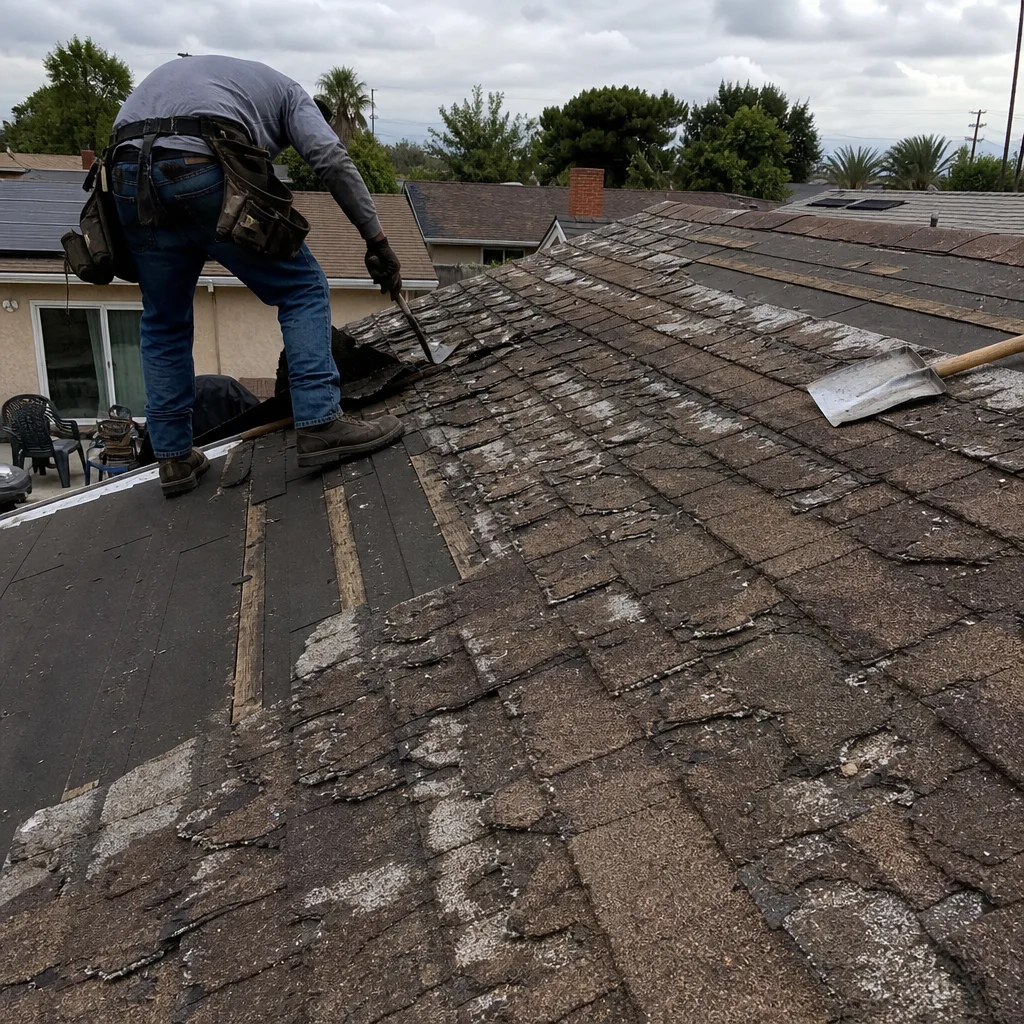 Before
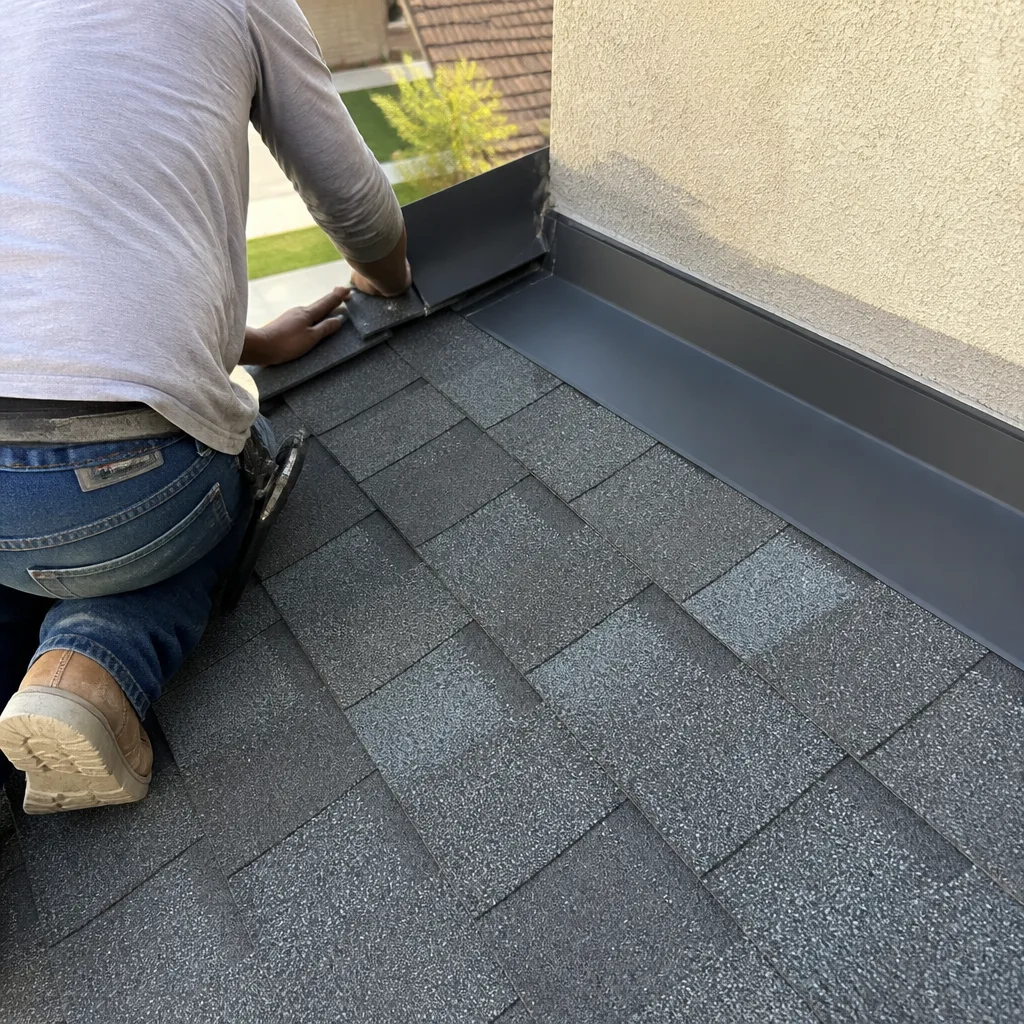 After
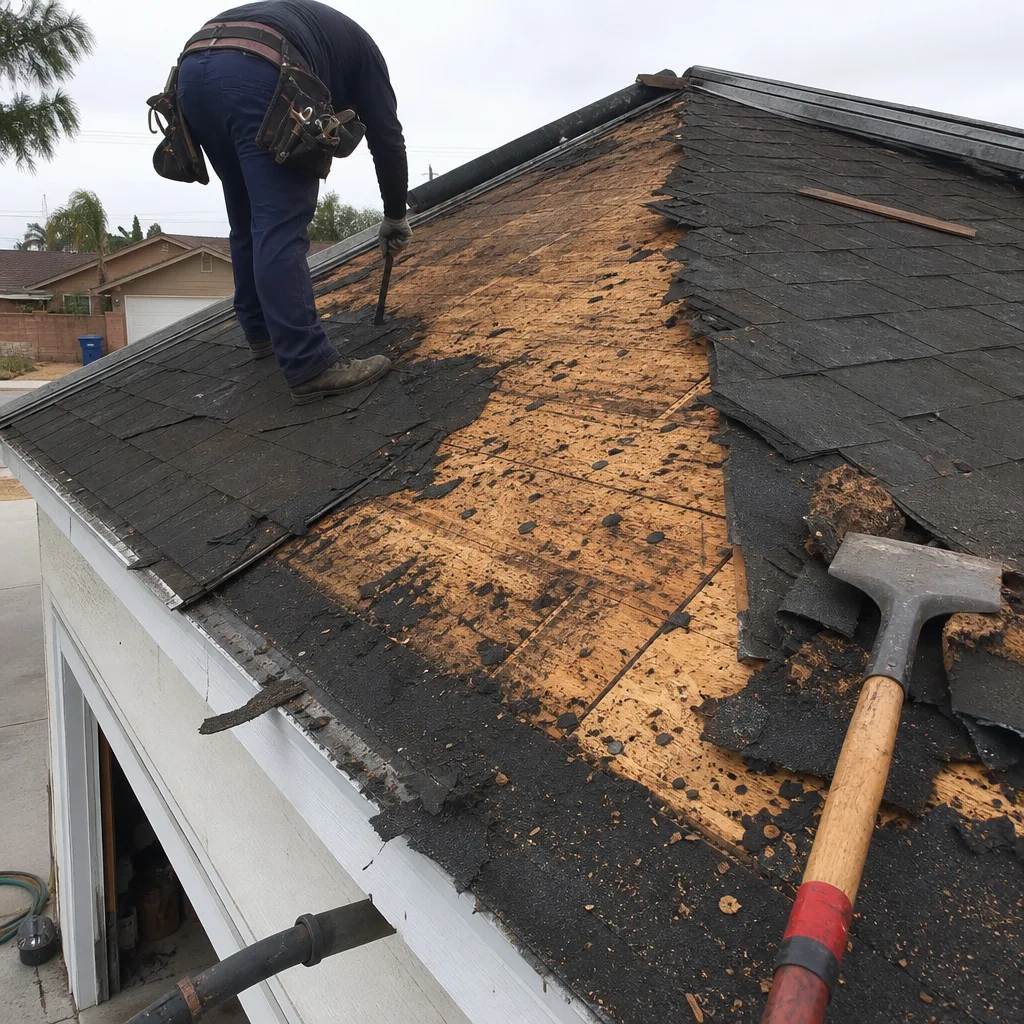 Before
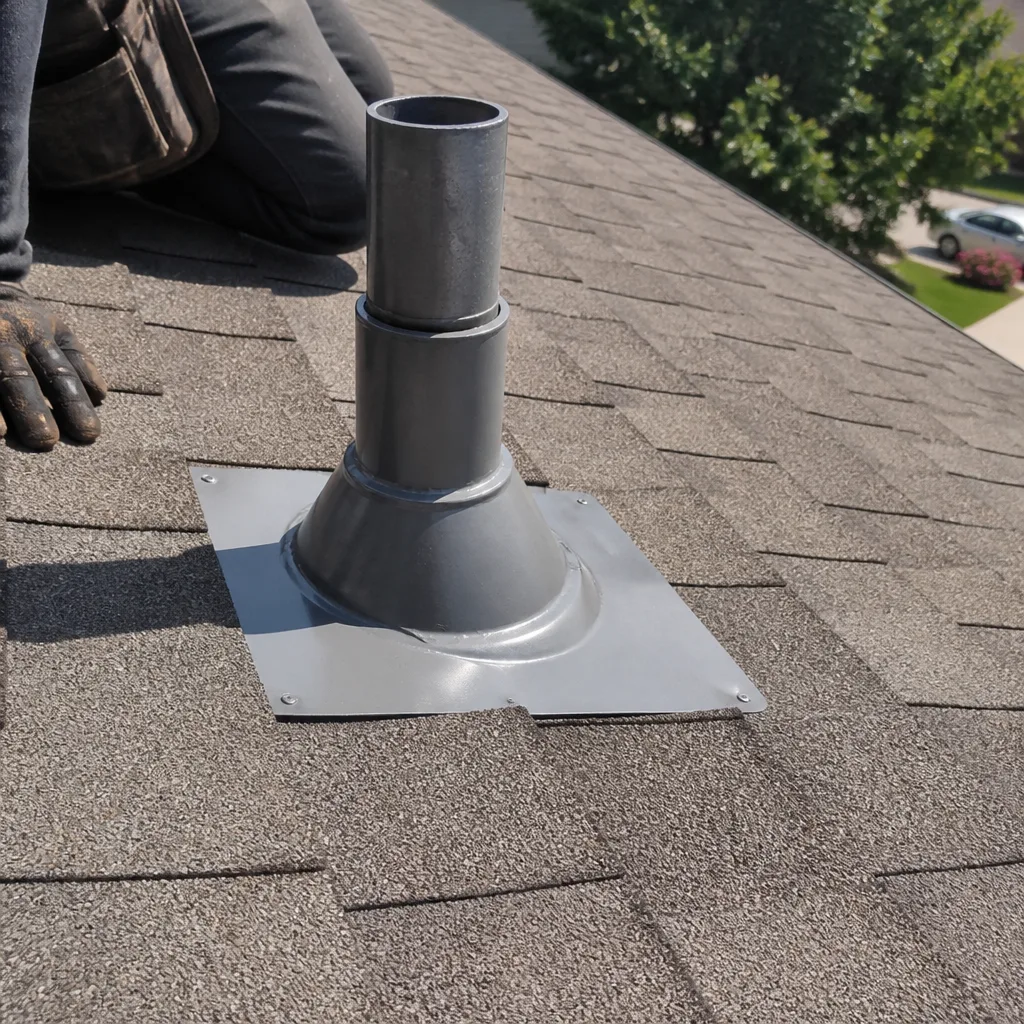 After