
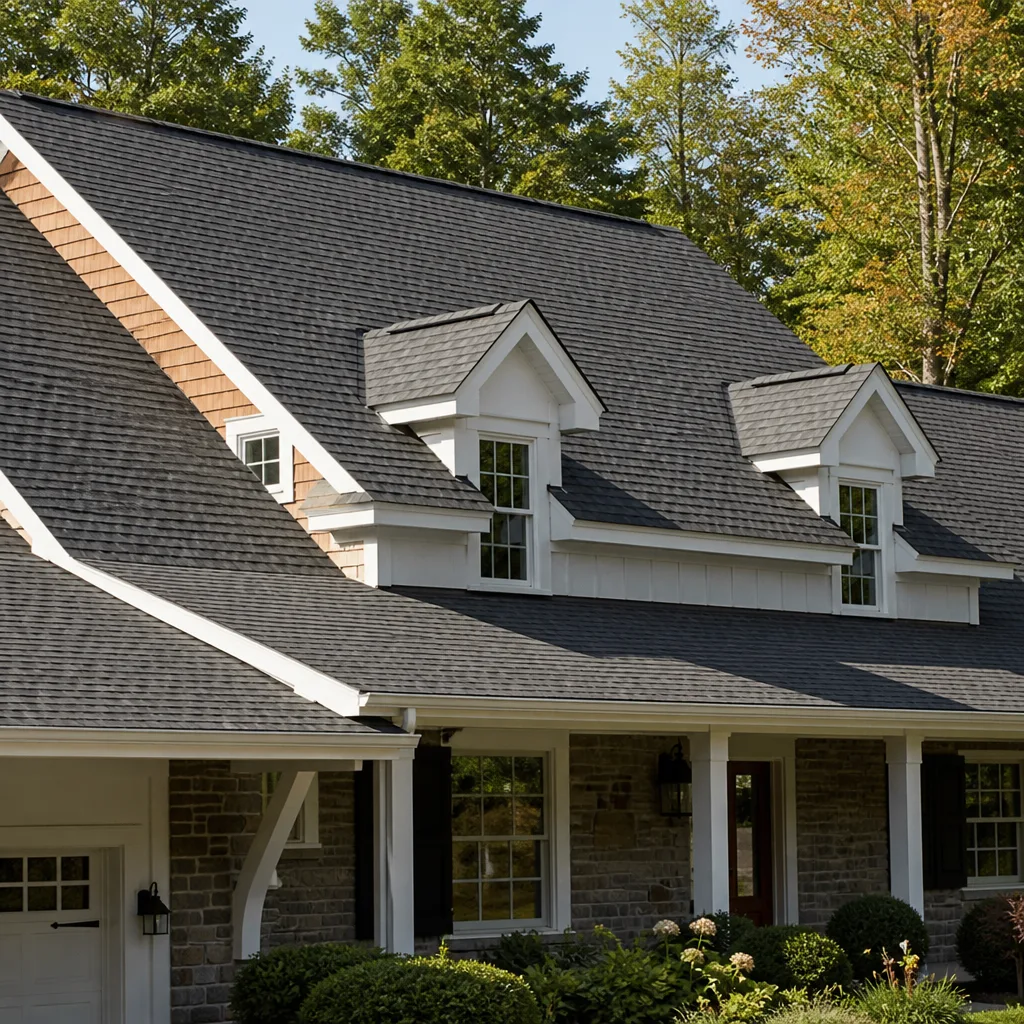
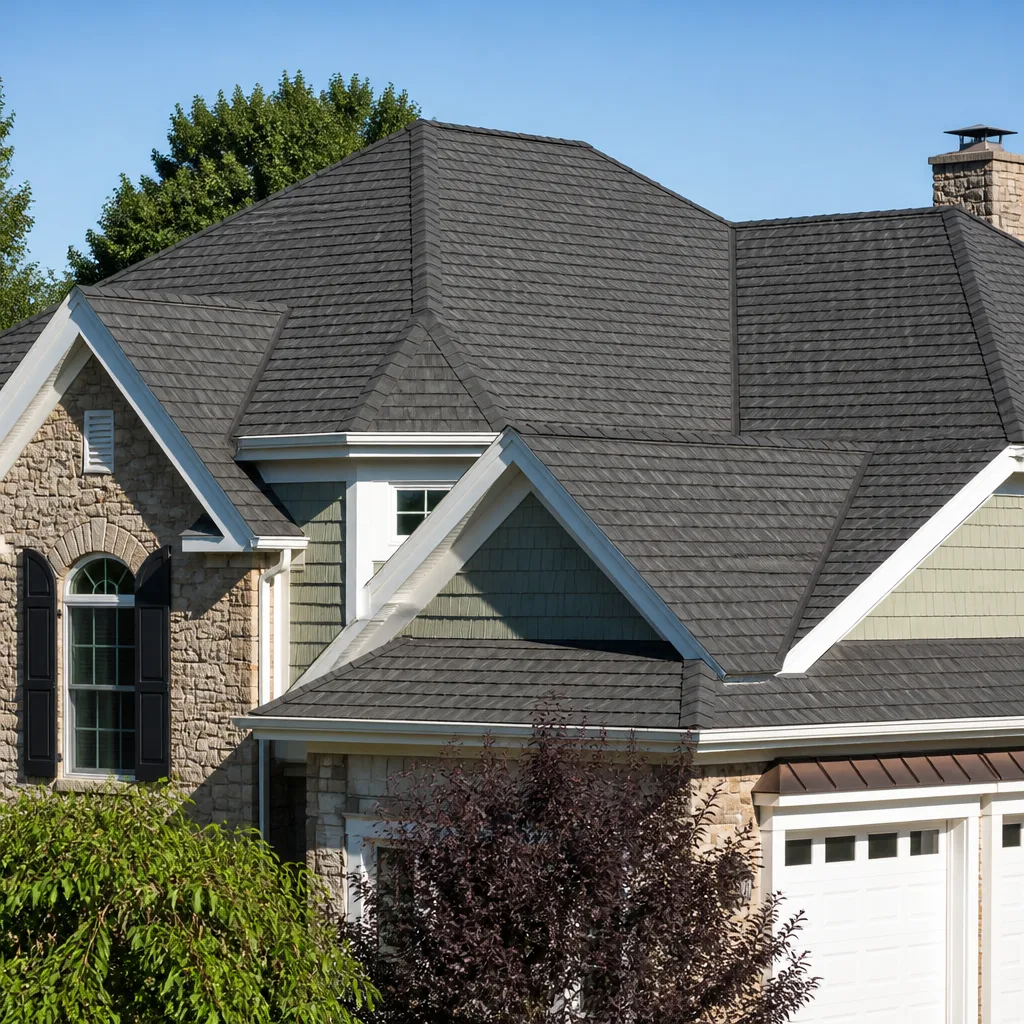
 Architectural shingles
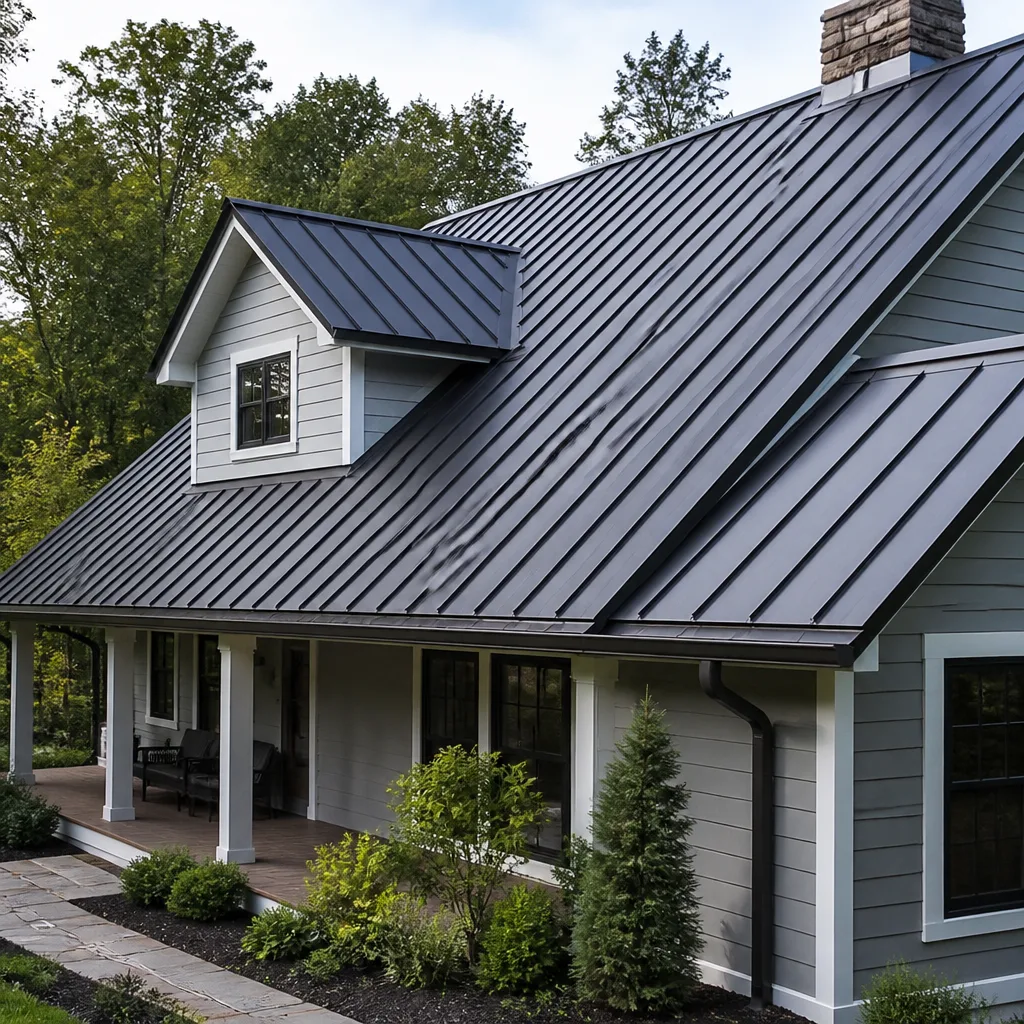 Metal roofing
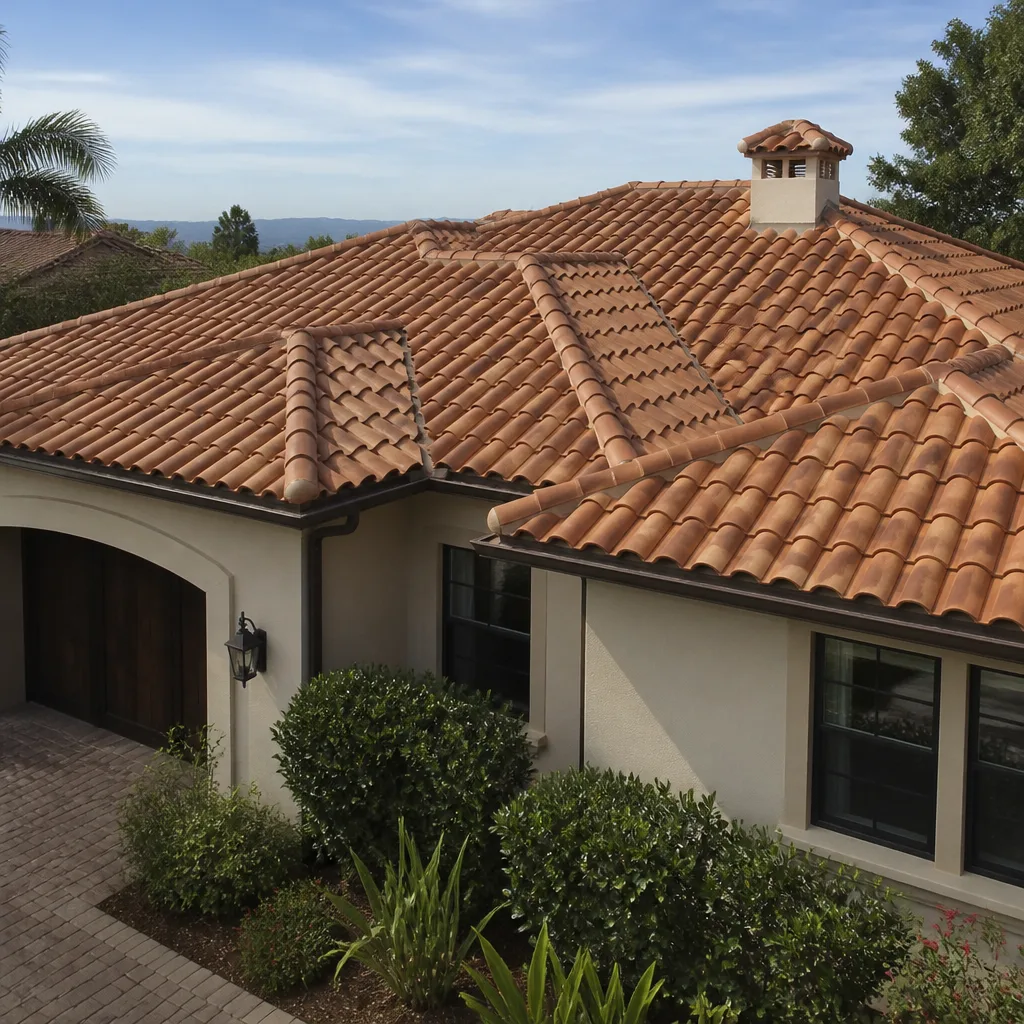 Tile roofing
 GAF
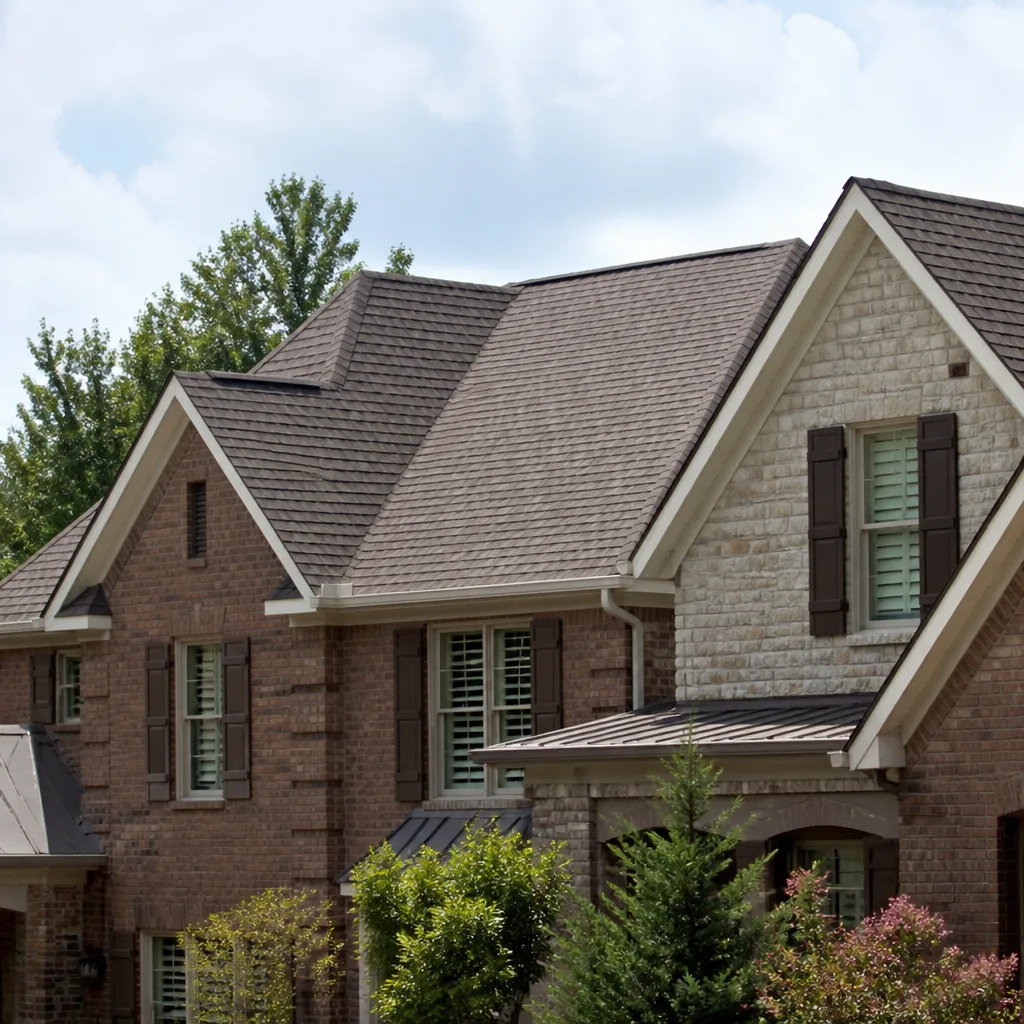 Owens Corning
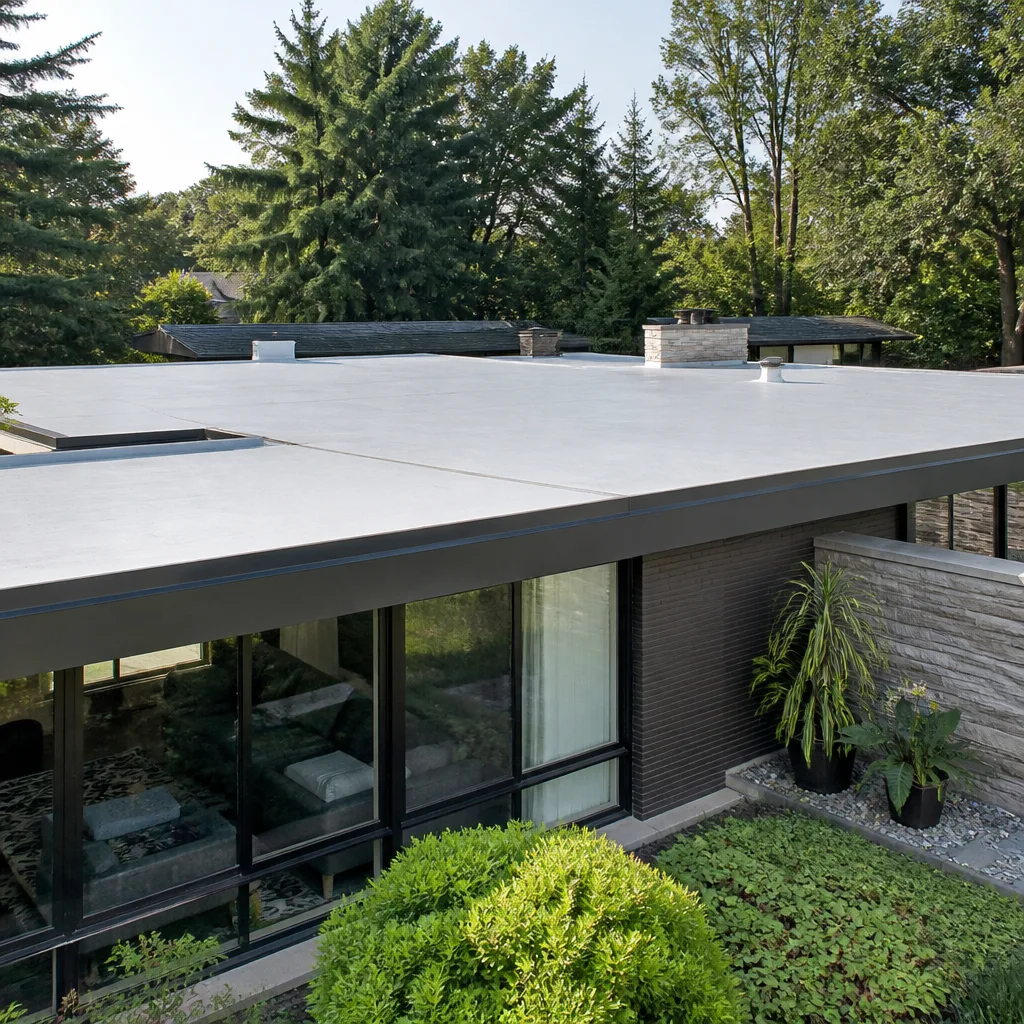 Flat & low-slope
Free roof inspection with deck photos before we talk money - GAF and Owens Corning certified installation
Fast, Reliable Roof Repair Across Rosemead
Roof repair in Rosemead usually costs between $350 and $1,400 depending on whether we’re patching a single leak or replacing rotted decking at the eaves. Most repairs on the ranch and bungalow homes here run $500 to $900. We get to Rosemead fast from our Ontario base, and we know what these roofs do after decades under San Gabriel Valley sun. If you’ve got a stain spreading across your ceiling or shingles lifting after the last storm, call (877) 731-1384. We’ll send a roofer who actually inspects before quoting. Every time.
Why Hawk Roof Repair Is Rosemead’s Preferred Roof Repair Company
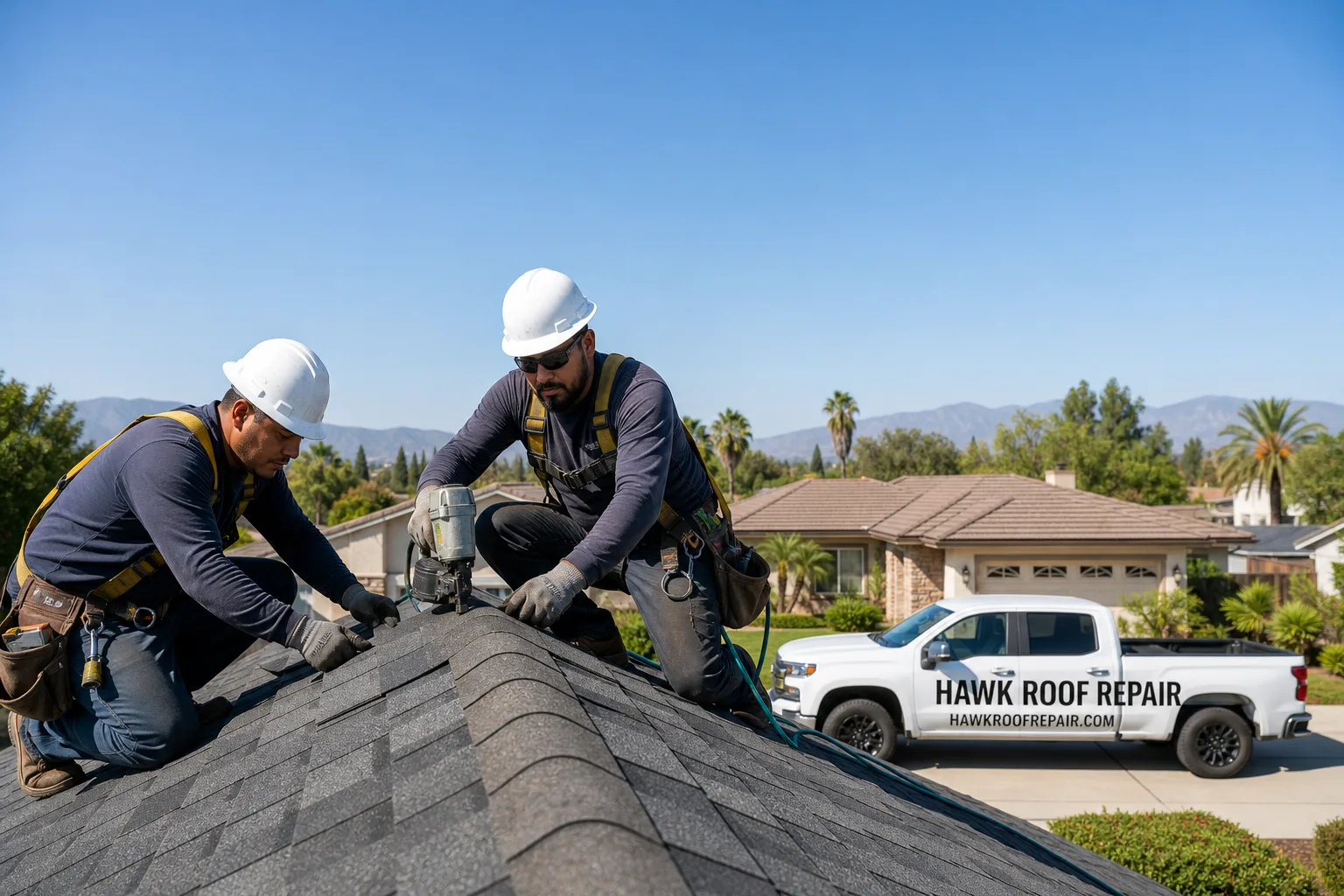
Rosemead homeowners call us because we work the way they want to buy: inspection first, diagnosis second, price third. No one from Hawk pitches you from a ladder. We document what we find, show you photos, and walk you through the scope before any numbers come up. That standalone Roof Repair inspection is the backbone of our process. If it turns out you need only a vent boot resealed, that’s what we quote. We don’t inflate small problems into replacement jobs.
Our customers across 91770, 91771, and 91772 keep using us because we show up when we say we will and we don’t send a different crew every time. Noel Ibarra runs every job with the same hawk-eye standard: walk the slope, check the valleys, look under the flashing, then explain what’s actually failing. That precision matters on 70-year-old roofs where one missed seam means water in the living room. The reviews reflect it. Rosemead homeowners routinely mention that we found the real source of a leak after other companies patched the wrong spot.
Styles & brands we work with
Metal Roof Repair in Rosemead
Metal Roof Repair in Rosemead typically addresses two situations: a mid-century addition with an old corrugated panel roof, or a newer standing-seam roof with a failed fastener or seam. Most of what we see here is the former. Garage conversions and back-bedroom additions built between 1965 and 1985 often have low-slope metal roofs that were never flashed properly. Rust at the panel laps and failed screws along the ribs are the usual culprits. A panel replacement or seam reseal runs $400 to $1,100 on these older Rosemead structures.
Older Panel Roofs on Additions
Those flat-ish metal roofs over enclosed patios and added bedrooms collect debris and pond water. The fasteners back out from decades of thermal expansion. We replace the affected panels, refasten with the right gasketed screws, and fix the transition flashing where the addition ties into the main house. This is where leaks hide.
Standing-Seam Repairs
For newer standing-seam roofs, leaks usually trace to a broken seam clip or a failed pipe boot. We repair the seam mechanically and replace boots with ones rated for the San Gabriel Valley’s UV load. Rosemead’s summer heat turns cheap rubber boots brittle in five years. We don’t reinstall the same problem.
Commercial Roof Repair in Rosemead
Commercial Roof Repair in Rosemead focuses on the flat and low-slope roofs we see along Garvey Ave and Valley Blvd: small retail strips, offices, and the occasional medical building. These are mostly built-up asphalt and single-ply systems, and they fail in predictable ways after years of 100°F+ afternoons. Splitting at the parapet walls, ponding water at the drains, and blisters in the membrane are the standard calls. Small repairs on these Rosemead commercial roofs run $800 to $2,500 depending on square footage and how deep the water intrusion goes.
Flat Roof Patches and Drain Issues
Ponding water is the enemy. When a drain clogs or settles below the surrounding membrane, water sits and finds every seam. We clean the area, repair the membrane, and reset the drain collar so water actually leaves the roof. On a strip mall roof off Valley Blvd, this kind of repair is usually a one-day job.
Parapet and Flashing Repairs
Commercial roofs in Rosemead leak at the edges first. Parapet flashing pulls away from stucco after years of thermal movement. We cut out the failed section, install new flashing, and seal the transition so wind-driven rain can’t creep underneath. A failed parapet flashing left alone will rot the soffit and start staining interior walls below the roofline.
Trusted Brands We Service in Rosemead
Hawk Roof Repair holds relationships with seven major roofing material brands, so when we repair a Rosemead roof, we’re not forcing whatever is on the truck. We match what’s already up there, whether that’s GAF architectural shingles on a 1970s ranch or a certain Tamko product on a newer replacement. We keep common repair stock for Atlas, Boral, CertainTeed, Owens Corning, IKO, and others locally accessible. That means faster turnaround for Rosemead customers and no week-long wait for a matching shingle bundle. The right material for your roof, not the one we happen to stock.
See the difference
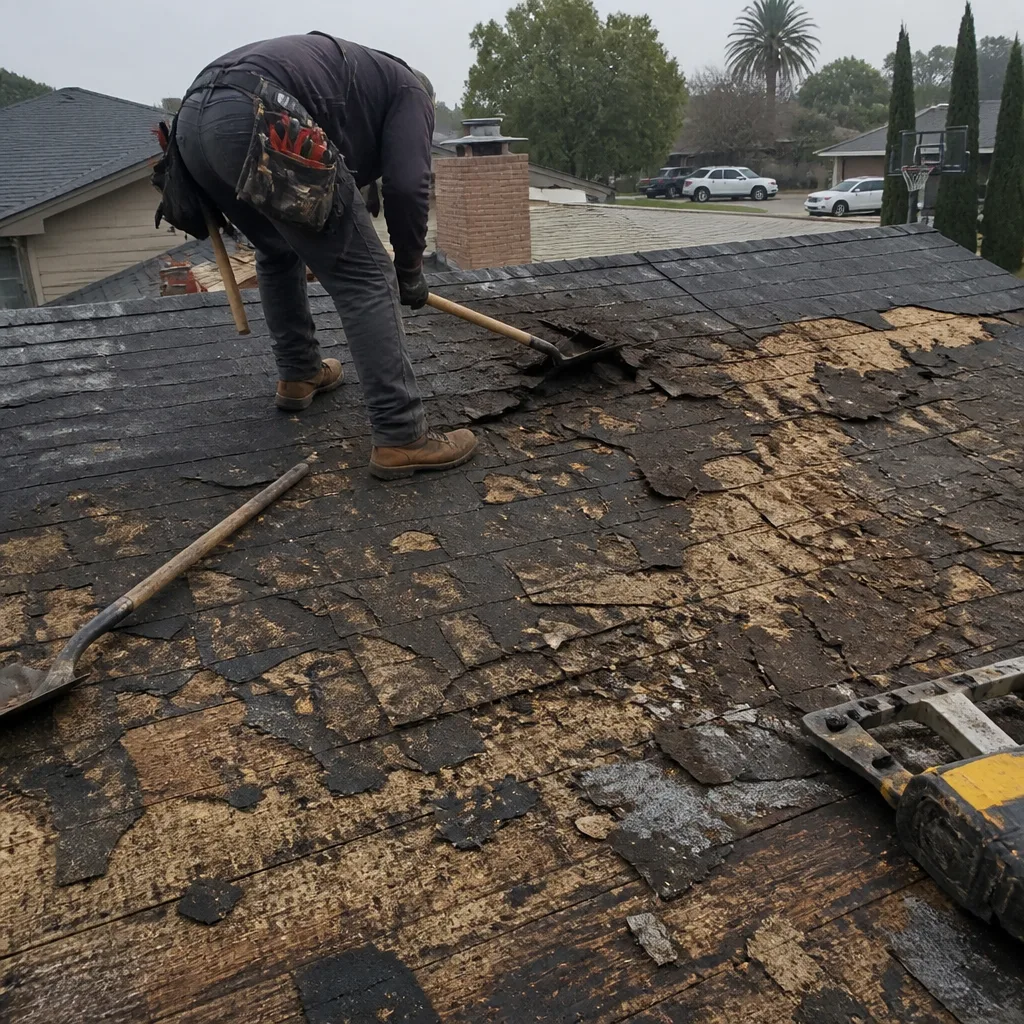 Before
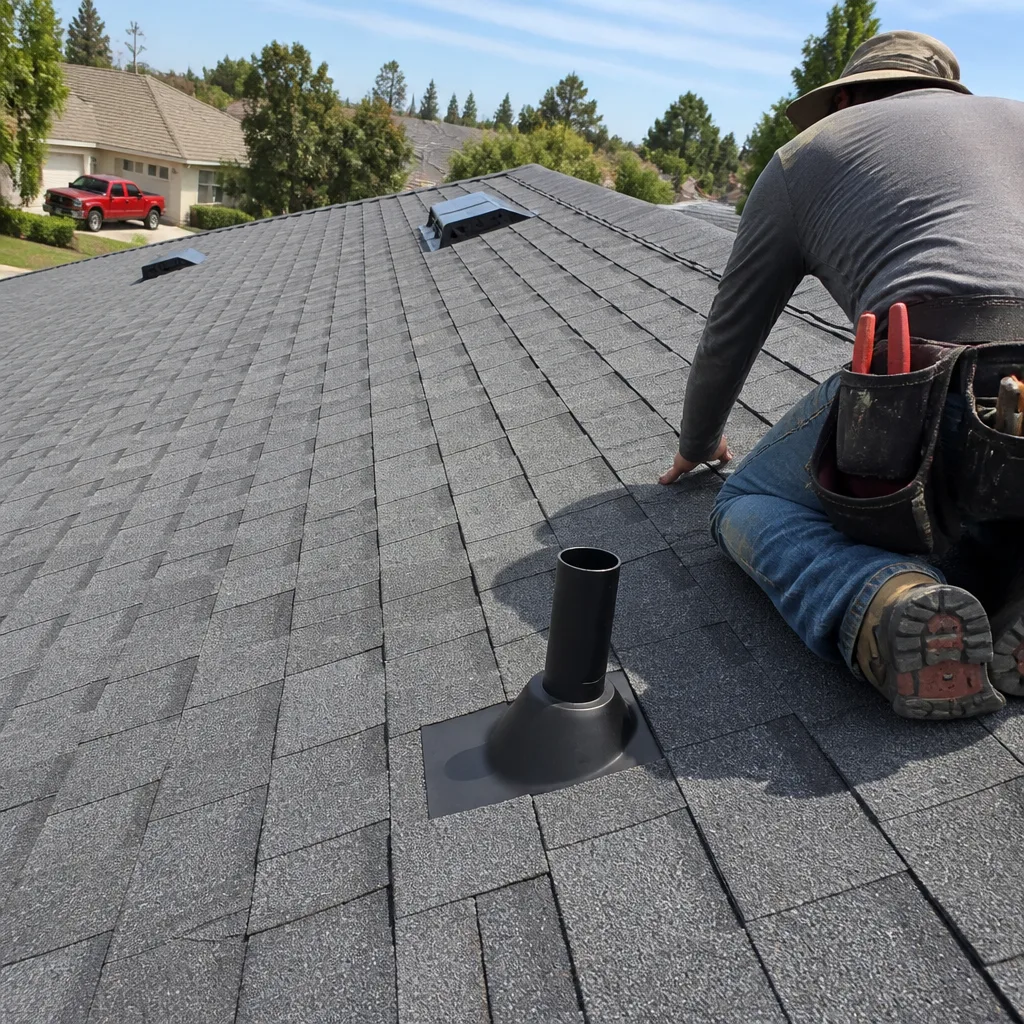 After
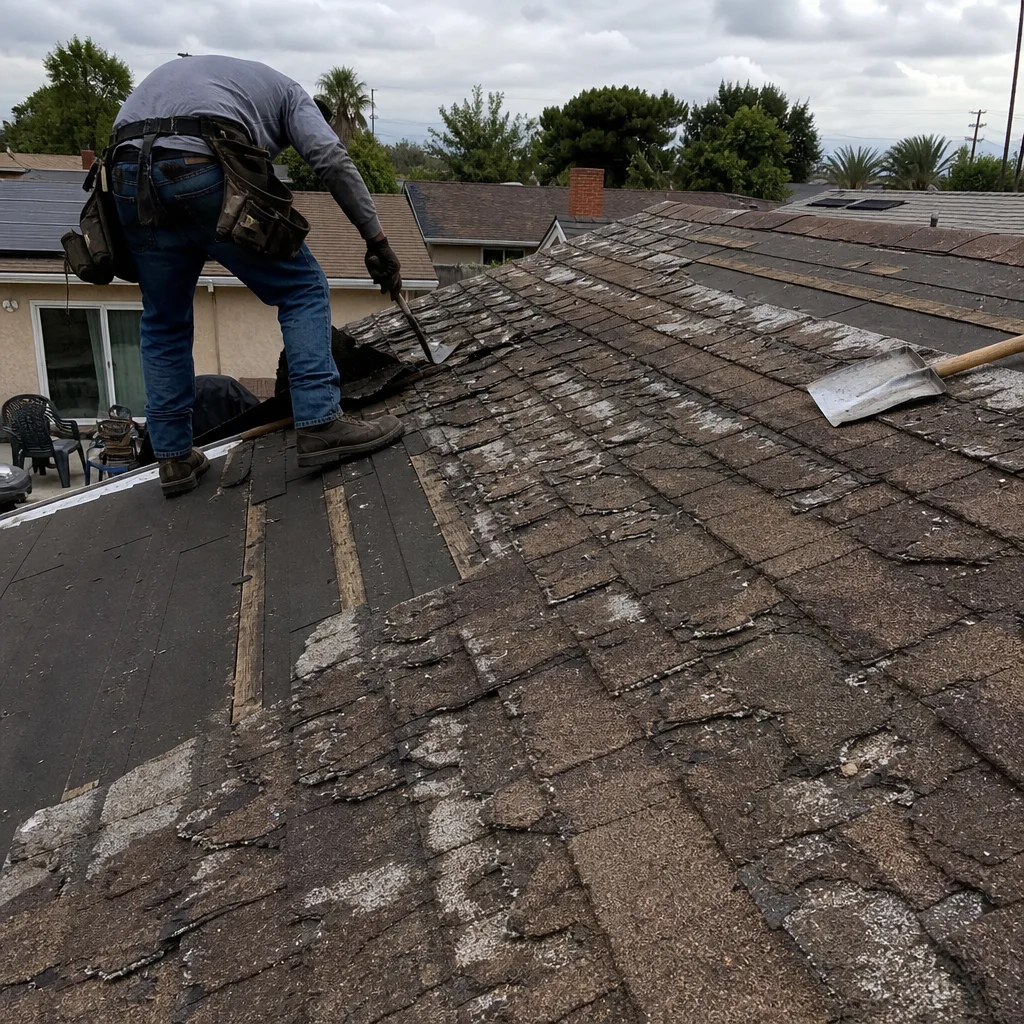 Before
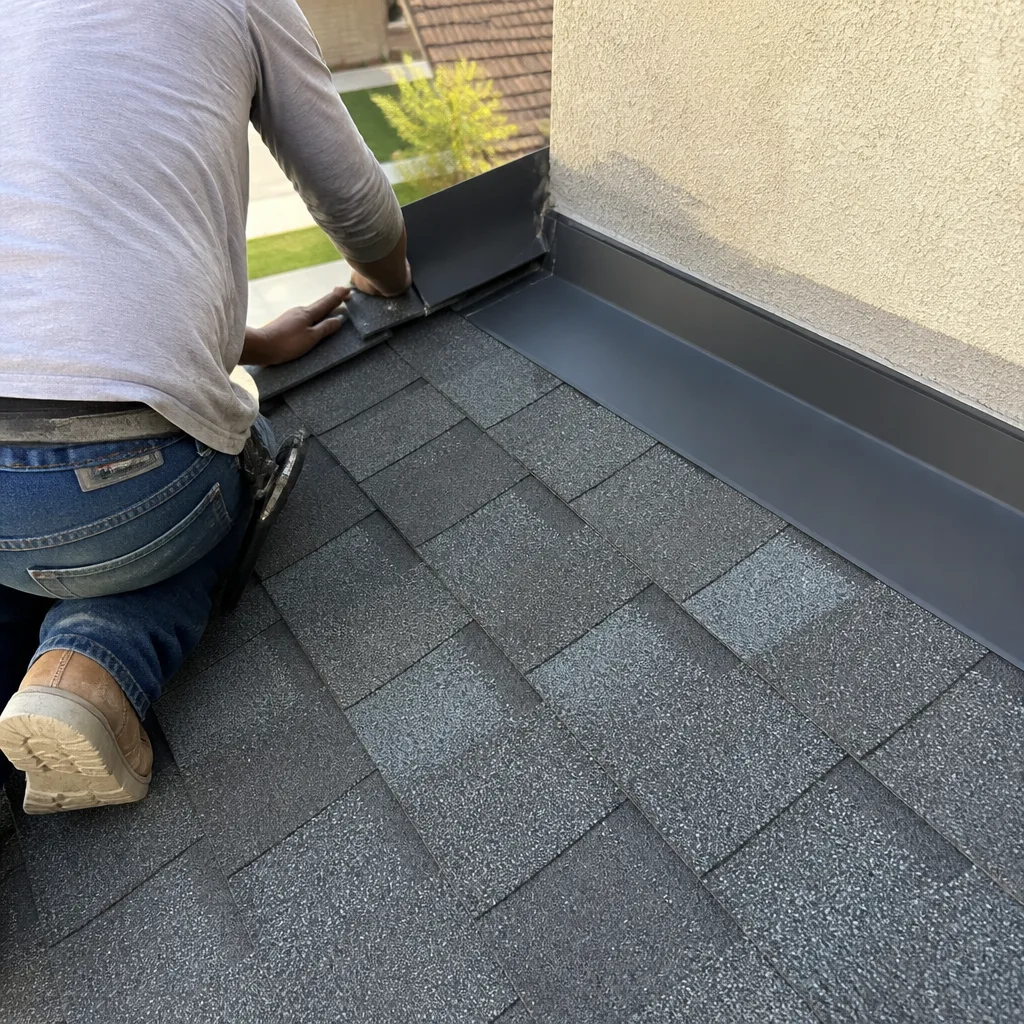 After
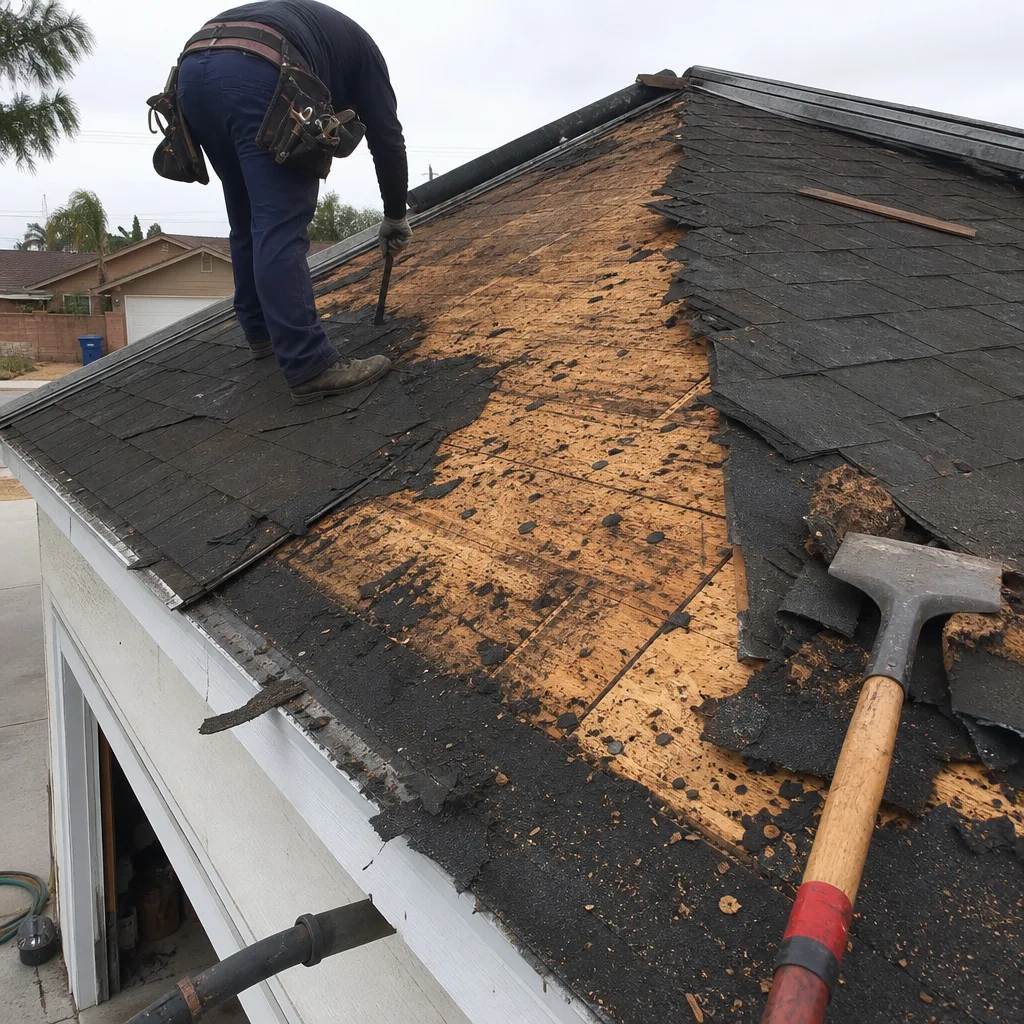 Before
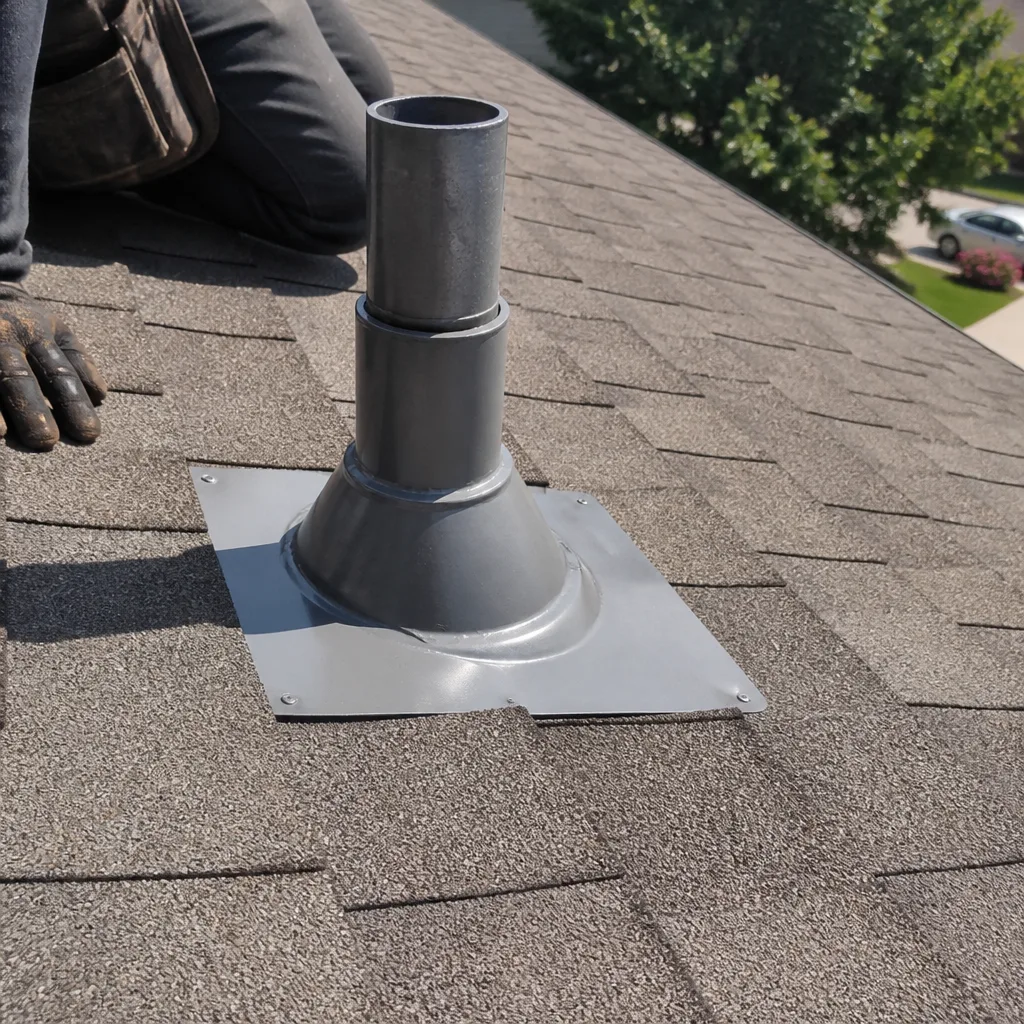 After
Common Roof Repair Problems We See in Rosemead Homes
- Brittle underlayment and missing drip edge. Older Rosemead roofs were often installed without drip edge, so wind-driven rain wicks straight up the fascia and into the soffit. After a dry Santa Ana season, the first heavy storm turns that into an interior leak.
- Thermal cracking on aged asphalt shingles. A 100°F Rosemead afternoon heats roof surfaces well beyond air temperature. Asphalt shingles expand and contract until micro-fissures form, then the next Pineapple Express storm drives water through those cracks.
- Valley and penetration leaks on low-slope roofs. Low-pitch roofs without ice and water shield at valleys and pipe penetrations let water back up under shingles when flashings degrade. These leaks often show up as ceiling stains two rooms away from the actual failure.
- Flat-roof ponding on old additions. Mid-century flat-roof additions and garage conversions in Rosemead collect water at the low points. Decking rots underneath, and the leak only shows once the ceiling below starts staining.
Pricing for Roof Repair in Rosemead, CA
Small, targeted repairs in Rosemead start around $350. That covers resealing a vent boot, replacing a few missing shingles, or clearing and resealing a clogged drain collar. Mid-range repairs like valley rebuilding, flashing replacement, or decking repair at the eaves run $600 to $1,300. Larger scopes, including commercial flat-roof patches or sections of rotted decking, land between $1,500 and $3,000. What moves the number: roof accessibility, decking condition underneath, and how long water has been moving through the structure. We write line-item quotes with a hard number, not a guess. Call (877) 731-1384 to schedule a free estimate. We’ll inspect, document, and price the actual problem.
We Also Serve Cities Near Rosemead
Hawk Roof Repair serves Rosemead and the surrounding San Gabriel Valley communities, including East San Gabriel, San Gabriel, North El Monte, and Temple City. If your home sits just outside Rosemead city limits, we’ll still come out for an inspection and a straight quote. Same standards, same inspection-first process.
Serving Rosemead, CA — Our Local Coverage Area
We’re based in the Rosemead area and know this community well. Use the map below to see our service coverage — if you’re nearby, we can almost certainly help.
FAQs About Roof Repair in Rosemead
We price what we can see, write an allowance into the contract for what we can’t, and get written approval before any additional work starts. On a ranch home off Garvey Ave, we opened up a low-slope roof to find the original 1×6 decking rotted at the eaves and the underlayment baked brittle, causing leaks during the 2023 atmospheric river. We replaced the decking, installed new ice and water shield and drip edge, and upgraded to architectural shingles, pricing and approving each change in writing before proceeding. That’s how every Rosemead repair goes. Call (877) 731-1384 if you want a roofer who documents rather than surprises.
Because many of those roofs were installed decades ago without drip edge or ice and water shield, and the first heavy rain after a dry Santa Ana season sends water straight down the fascia boards. The shingles and underlayment bake all summer, the substrate expands and contracts, and when the rain finally arrives, every existing micro-fissure becomes an active leak. Homes along those major Rosemead corridors that have never had a full tear-off are the most vulnerable. A fascia-and-soffit inspection after the first storm usually finds the problem fast.
Repairs that are limited in scope, under a certain square footage, and don’t disturb the structural decking typically do not require a Rosemead building permit. The moment we’re replacing decking, modifying roof structure, or doing a large percentage of the roof surface, a permit enters the conversation, and that can trigger code upgrade requirements like adding drip edge or improving underlayment to current standards. We handle the permit process and we tell you before we pull it what the code inspections will check. If you want a straight answer on whether your specific repair needs a permit, call (877) 731-1384. Estimates and permit guidance are free.
Ask whether the quote includes decking replacement if rotted wood is found, whether drip edge is included or will be added as an upcharge, and whether the company will document what they find before they ask you to approve additional work. Also ask what brand of materials they’re quoting and whether they’re locked into one manufacturer. A roofer who only installs one brand is funding their supplier relationship, not your roof. We give you seven brands to choose from, including GAF and Atlas, and we match the repair to what’s already on the house. Call (877) 731-1384 to talk through a quote you already have; we’ll tell you what’s missing.
Rosemead’s summer heat accelerates asphalt shingle aging and thermal cracking on low-slope roofs, because low-pitch surfaces catch more direct sun per square foot and retain heat longer than steeper slopes. The practical fix is a two-part approach: use materials rated for high-heat exposure and make sure the underlayment and flashing details are upgraded before the next hot season. On low-slope roofs, we recommend high-temperature self-adhered underlayment at valleys and penetrations, something most 1970s tract homes never had. An inspection in the spring, before the 100°F afternoons arrive, catches cracking before it becomes a winter leak. Call (877) 731-1384 to schedule yours.
Written by Noel Ibarra, Owner at Hawk Roof Repair, serving Rosemead and the San Gabriel Valley with inspection-first roofing since day one.